Tech Pro Revives 500-Year-Old Lambani Embroidery in India
A Bengaluru startup is bringing vibrant Lambani embroidery from South India's Adivasi communities to modern fashion. The ancient craft, once fading into obscurity, now adorns contemporary clothing while supporting indigenous artisans.
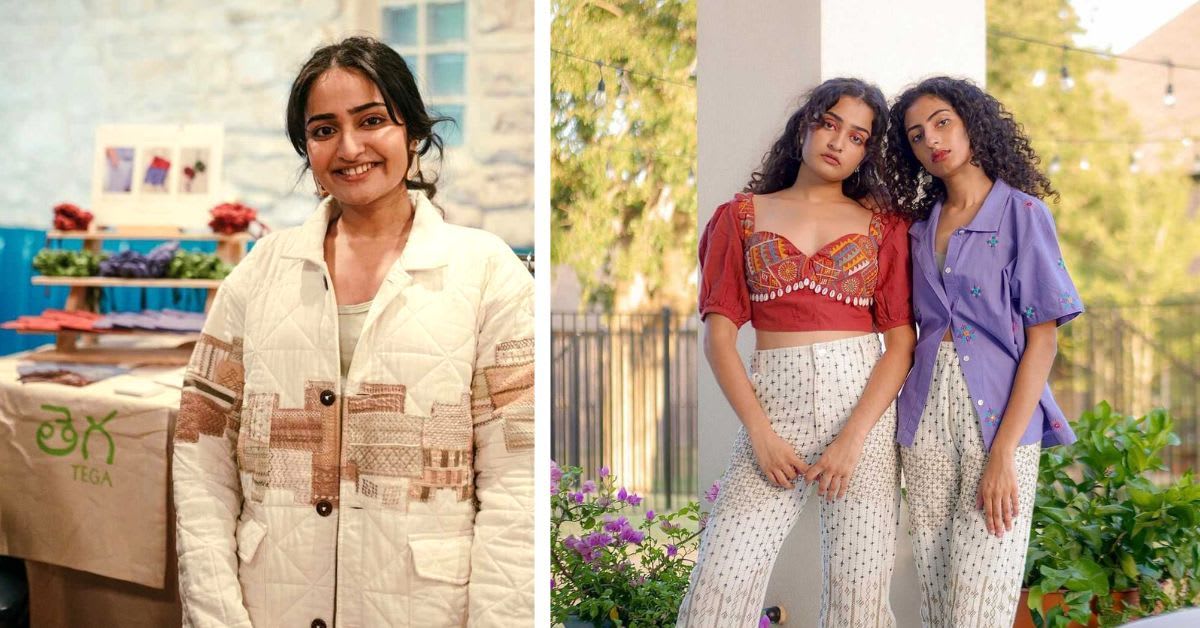
When Niharika Elety attended a panel discussion with Adivasi Lives Matter, she realized something profound: India's most colorful indigenous textiles were disappearing from view. The tech professional decided to act, launching Tega Collective in July 2022 to celebrate the stunning embroidery traditions of South India's Adivasi communities.
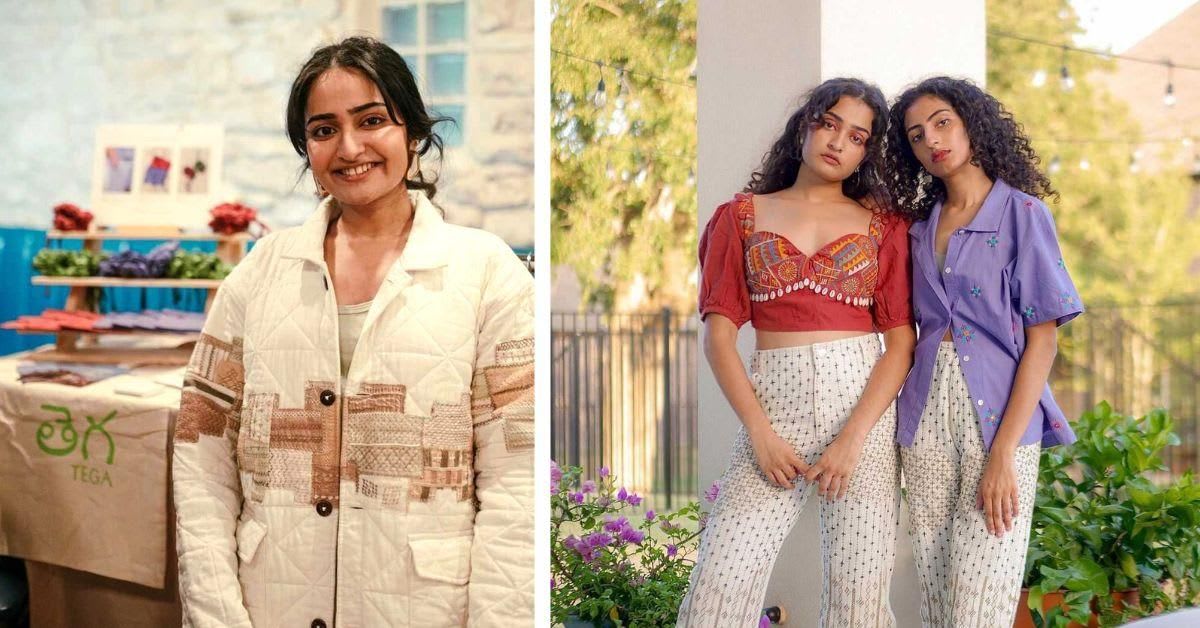
Tega focuses on Lambani embroidery, a GI-tagged craft performed by women in Karnataka's Bellary region. The technique uses fourteen distinct stitches to create vibrant patterns inspired by geometric shapes and nature, combining mirrorwork, cowrie shells, and coins into stunning designs.
The craft's history runs deep. When Lambani people migrated from Central Asia to South India centuries ago, women created distinctive red headdresses using this embroidery style. The closely knitted stitches and embellishments actually helped distribute the weight of heavy water pots they carried on their heads.
Niharika partners with Sandur Kushala Kala Kendra, an organization working with local Lambani tribal women since 1984. Together they translate traditional techniques into everyday pieces like button-down shirts, hoodies, and dresses that work for all body types and gender identities.
Born in Dallas and raised between Texas and Hyderabad, Niharika studied biomedical engineering but felt unfulfilled. She found her calling by combining her tech career with a passion for sustainable fashion and indigenous craft, posting about it online before launching Tega.
The name itself tells the story. Tega means "family" in Telugu, reflecting how many indigenous communities view everything on earth as interconnected.
The Ripple Effect
Tega Collective does more than preserve an ancient art form. By co-creating modern designs with Adivasi artisans, the brand ensures these skilled women earn fair wages while their centuries-old techniques reach new audiences. Each garment carries the story of the hands that created it, connecting urban customers to rural craftspeople.
The vibrant colors and patterns that once helped women carry water now help carry forward a cultural legacy. What started as functional embroidery on headdresses has found new life in contemporary wardrobes, introducing younger generations to indigenous artistry.
Through this work, Niharika raises awareness about crafts that mainstream fashion often overlooks. She's proving that traditional techniques don't need to stay frozen in the past; they can evolve while honoring their roots.
The brand's approach bridges two worlds: the indigenous knowledge of Lambani communities and the modern desire for meaningful, sustainable fashion. Every purchase supports both the preservation of cultural heritage and the economic empowerment of the women who keep these traditions alive.
For the artisans of Bellary, each stitch now connects them to customers who value their work and their stories.
More Images
%2Fenglish-betterindia%2Fmedia%2Fpost_attachments%2Fuploads%2F2023%2F03%2Fsustainable-fashion-1-1680094164.jpg)

Based on reporting by The Better India
This story was written by BrightWire based on verified news reports.
Spread the positivity!
Share this good news with someone who needs it