Teen Beats Brain Cancer with Experimental Immune Therapy
A 17-year-old cyclist in Germany with cancer in his brain and organs has no detectable disease one year after receiving a single infusion of specially engineered immune cells. The breakthrough suggests hope for treating solid tumors that were previously considered untreatable with this approach.
When cancer spread to his brain and organs at 17, doctors told the young German cyclist they had run out of options. After battling kidney cancer since age seven, his only chance was an experimental treatment just to buy a little time.
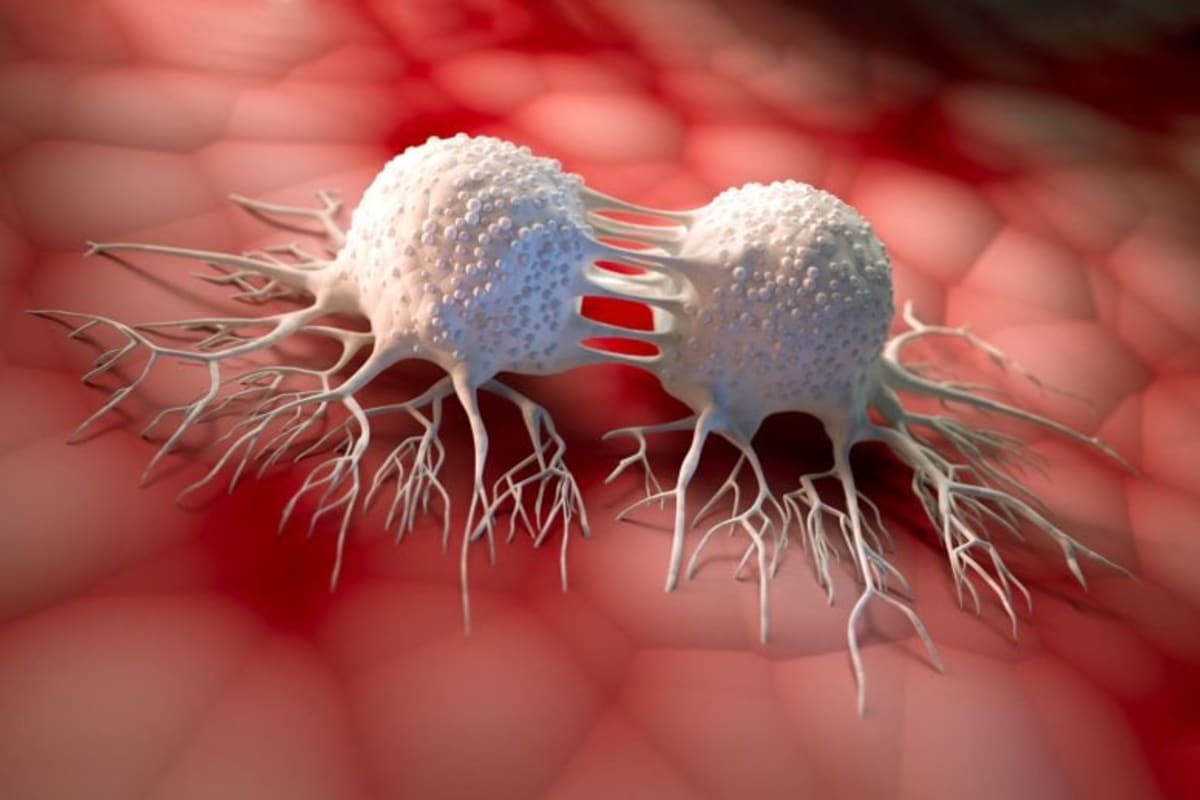
Dr. Christian Seitz and his team at Hopp Children's Cancer Center in Heidelberg decided to try something different. They engineered the teen's own immune cells to hunt down a protein called PRAME that his cancer carried, even though this approach rarely works against large solid tumors.
The results shocked everyone. Eight weeks after a single infusion, scans showed all liver tumors had vanished and other tumors had shrunk dramatically with no live cancer cells remaining.
More than a year later, the teen remains cancer free. He just spent his weekend racing downhill between trees and rocks at an extreme cycling event, living the life he feared he'd lost forever.
The treatment represents a significant shift in cancer therapy. For two decades, engineered T-cell treatments have saved lives in blood cancers, but solid tumors create protective microenvironments that shield them from these immune attacks.
This approach works differently. Instead of targeting proteins on a cancer cell's surface, these T-cells attack proteins inside the cell, opening up new possibilities for treatment.
The teen's recovery wasn't easy. He spent two weeks in intensive care after the infusion as his body adjusted to the powerful immune response. But when Seitz looked at the follow-up scans, he couldn't believe what he saw.
Why This Inspires
This story matters beyond one remarkable recovery. The teen's blood still contains T-cells hunting for PRAME, meaning his body may now eliminate future recurrences on its own.
Seitz is now planning a clinical trial with 18 pediatric cancer patients whose tumors carry PRAME. While this approach won't work for every patient or every cancer, experts say that when these treatments succeed, they truly transform lives.
"Just a few patients benefit, but when they benefit, they really benefit," says Dr. Rimas Orentas of Johns Hopkins, who wasn't involved in the study.
The breakthrough, published in the New England Journal of Medicine, offers fresh hope for children facing cancers once considered untreatable. For families watching their children battle impossible odds, this research proves that impossible sometimes just means not yet discovered.
More Images


Based on reporting by Google News - New Treatment
This story was written by BrightWire based on verified news reports.
Spread the positivity!
Share this good news with someone who needs it