Teen Cancer Survivor Creates Blood Test That Spots Relapse
A researcher who survived childhood leukemia developed a blood test that detects breast cancer recurrence up to four years before traditional methods. The test is now helping patients in the U.S. catch cancer earlier when treatment works best.
Lao Saal spent three years as a teenager battling leukemia at the National Institutes of Health. Instead of moving on after recovery, he walked back into the lab and asked his doctors how he could help with their research.
That decision just changed cancer care for thousands of patients. At Lund University in Sweden, Saal developed a blood test called Pathlight that can spot cancer coming back long before symptoms appear.
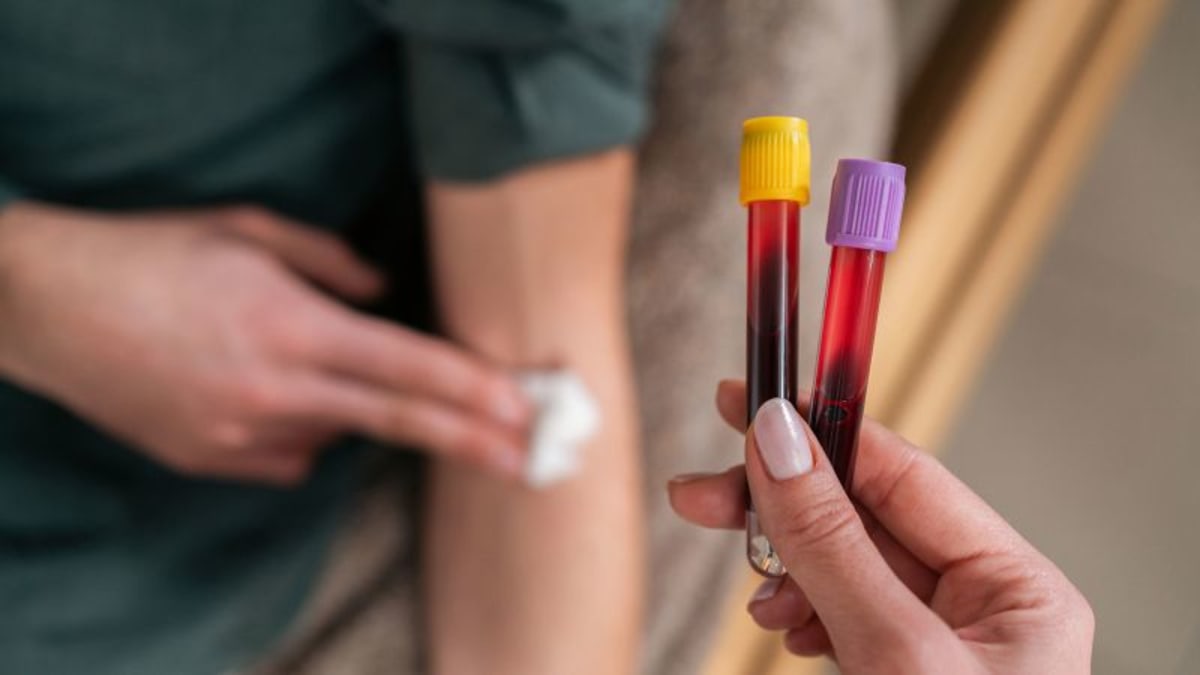
The test works by detecting tiny fragments of tumor DNA floating in the bloodstream. Cancer cells constantly shed genetic material, and their DNA has unique patterns that act like fingerprints.
Saal's team focused on chromosomal rearrangements, unusual DNA arrangements that occur when cancer cells grow messily. These patterns are so specific that the test produces very few false positives while catching real relapses incredibly early.
For breast cancer patients, traditional follow-up care has always meant living with uncertainty. A clear mammogram doesn't necessarily mean the cancer hasn't spread to bones or other organs. By the time symptoms appear, the disease may have already progressed significantly.
Dr. Valerie Gorman, a breast cancer surgeon in Texas, has used traditional methods for over 20 years. She explains that doctors previously had no reliable way to detect silent spread until patients developed pain.
Now her clinic uses Pathlight, and it's already found small metastases in symptom-free women. The test detected relapse a median of 13.7 months earlier than conventional methods. In some patients, warning signs appeared three to four years sooner.
The test received Medicaid coverage in May 2025, making it accessible to more patients. Gorman's team started using it in October 2025, and patients have formed an emotional connection to their results.
Why This Inspires
Earlier detection means treatment can start when it's most effective. It also opens the door to personalized care, where doctors can identify which patients truly need aggressive chemotherapy and which might be spared unnecessary treatment.
Gorman says patients celebrate when they receive a zero result, meaning no cancer DNA was detected. That moment of relief, repeated over time, transforms anxiety into hope.
The test works for breast cancer and colon cancer, and Saal believes most cancers will be monitored this way within a decade. What started as one teenager's decision to understand his own illness became a tool that gives other patients what they need most: time.
Saal says his teenage self would be proud, and patients getting early warnings today would probably agree.
Based on reporting by Google News - Cancer Survivor
This story was written by BrightWire based on verified news reports.
Spread the positivity!
Share this good news with someone who needs it