Teen Tennis Star Sparks Sports Revolution in Philippines
Alex Eala's historic Wimbledon run has ignited a tennis boom in the basketball-obsessed Philippines, inspiring young athletes like 14-year-old Maristella Torrecampo to chase their Grand Slam dreams. Despite tennis being an expensive elite sport, Eala's success is transforming how everyday Filipinos view the game.
A 14-year-old girl and her father just endured a 13-hour bus ride for a tennis match, fueled by a dream that seemed impossible just months ago.
Maristella Torrecampo crushed her opponent 6-1, 6-1 at Manila's Rizal Stadium, keeping alive her goal of following Alexandra Eala's footsteps. The teen's crowdfunded budget only covered two bus tickets and basic meals, but her determination mirrors a new movement sweeping the Philippines.
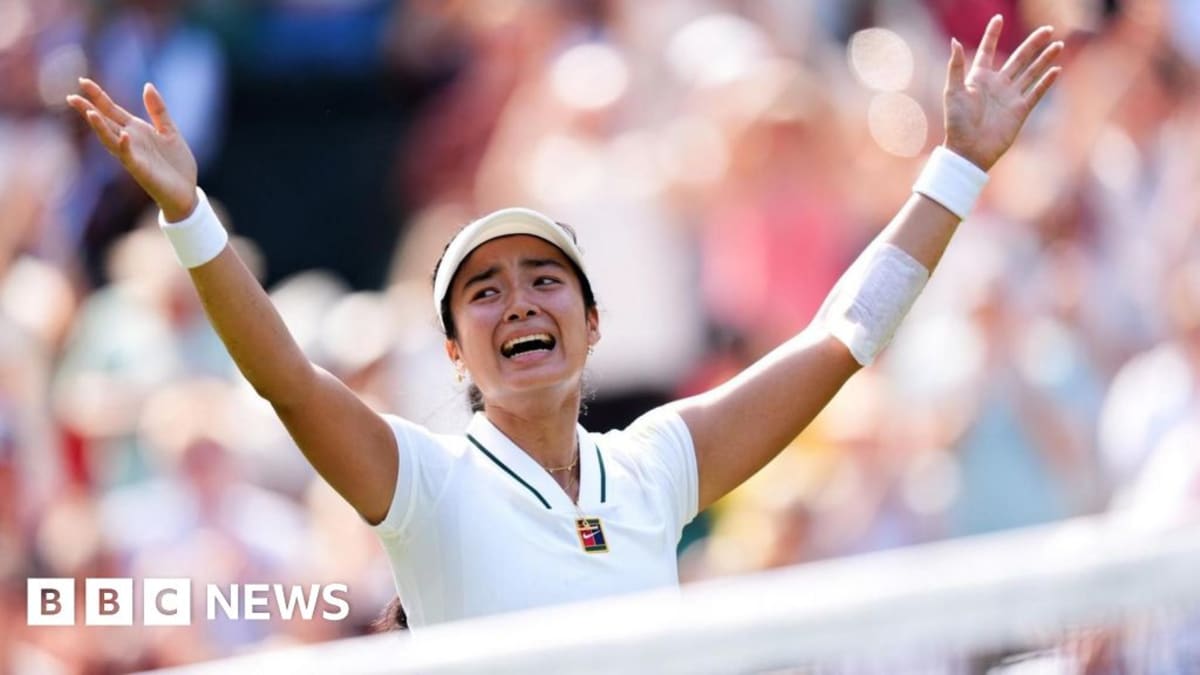
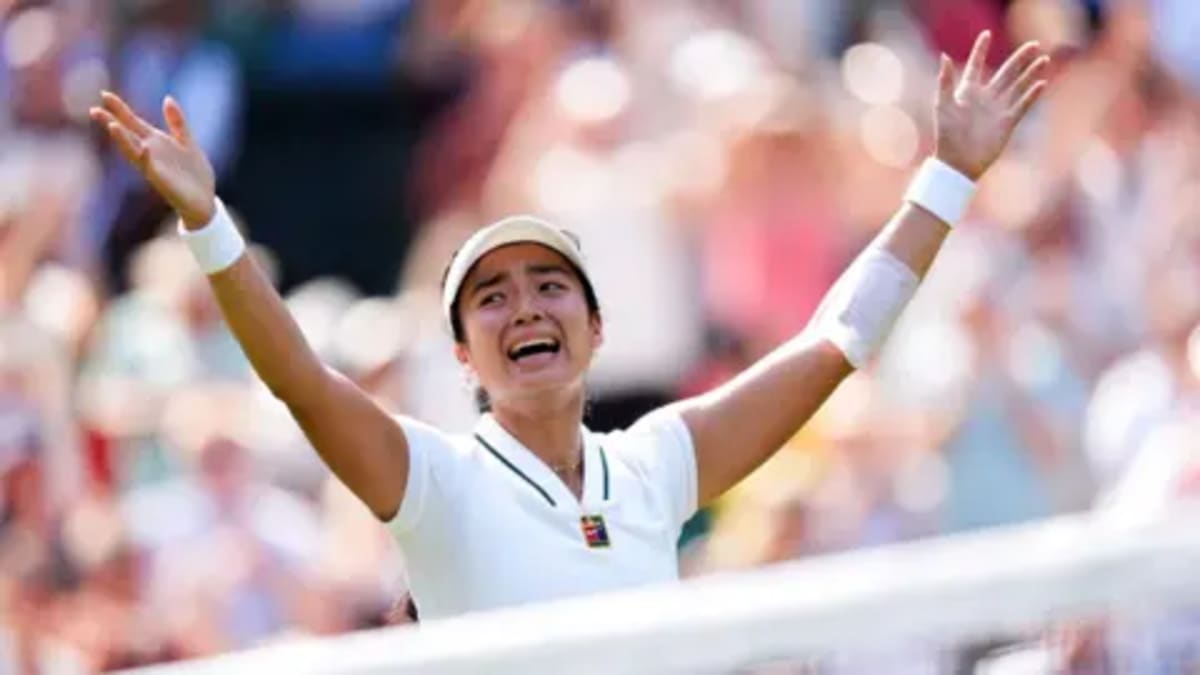
Eala, 21, made history at Wimbledon by becoming the first Filipina to reach the fourth round of a Grand Slam tournament. She shocked the tennis world by defeating defending champion Iga Swiatek, sending her nation into a frenzy.
In a country obsessed with basketball, boxing, and beauty queens, tennis has always been an afterthought. Basketball legend Manny Pacquiao still dominates as the nation's biggest sports hero, and village basketball courts outnumber tennis facilities across the archipelago.
But Eala changed everything. President Ferdinand Marcos hosted her at Malacanang Palace upon her return from London, a rare honor reserved for the nation's biggest achievements.
"This is our victory," Eala told the crowd at her reception. "I cannot begin to describe how overjoyed I am to see how my progress has been received by the Filipino people."
The Ripple Effect
Tennis remains expensive for most Filipinos in this nation of 112 million. Court rentals in Manila cost about $32 per hour, equivalent to half the minimum daily wage or a month's worth of groceries for higher earners.
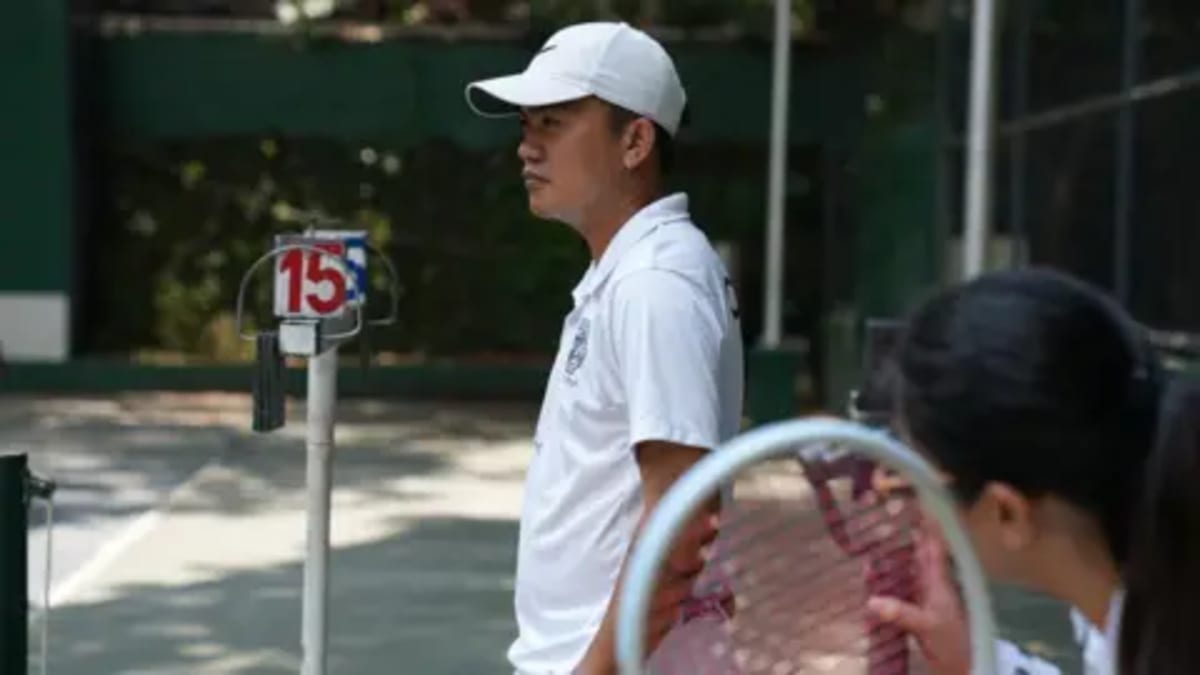
Coach Jovy Barce knows these struggles firsthand. He started as a six-year-old ball boy earning $2 per session to help buy household groceries, eventually finding a discarded racket in the trash that changed his life.
"I couldn't explain how happy I was when I got it," Barce said. He taught himself through observation, never affording a professional coach, and eventually put himself through college on a sports scholarship.
Young players like Torrecampo now see a path forward. "Like Ate Alex, I want to win at Wimbledon," she said, using the Filipino term for elder sister.
Eala's fan events draw massive crowds. Federico Perez and his wife drove hours from neighboring provinces and booked a hotel just to glimpse their new hero at a mall meet-and-greet.
Critics point to Eala's privileged background at the Rafael Nadal Academy in Spain, but she reminds them of the hard work they don't see. Her success proves that Filipino athletes can compete on the world's biggest stages.
Tennis courts across Manila are seeing unprecedented demand as parents who once pushed their kids toward basketball now consider rackets instead.
More Images


Based on reporting by BBC Sport
This story was written by BrightWire based on verified news reports.
Spread the positivity!
Share this good news with someone who needs it