Tennessee Facility Doubles U.S. Recycled Aluminum Output
A new AI-powered recycling facility in Tennessee just doubled America's capacity to turn scrap metal into high-quality aluminum, keeping 240 million pounds of materials in the U.S. economy each year. The technology uses 95% less energy than mining new aluminum and went from installation to producing sellable material in just one week.
A recycling facility in Lebanon, Tennessee, is proving that America's trash can become its treasure at unprecedented speed and scale.
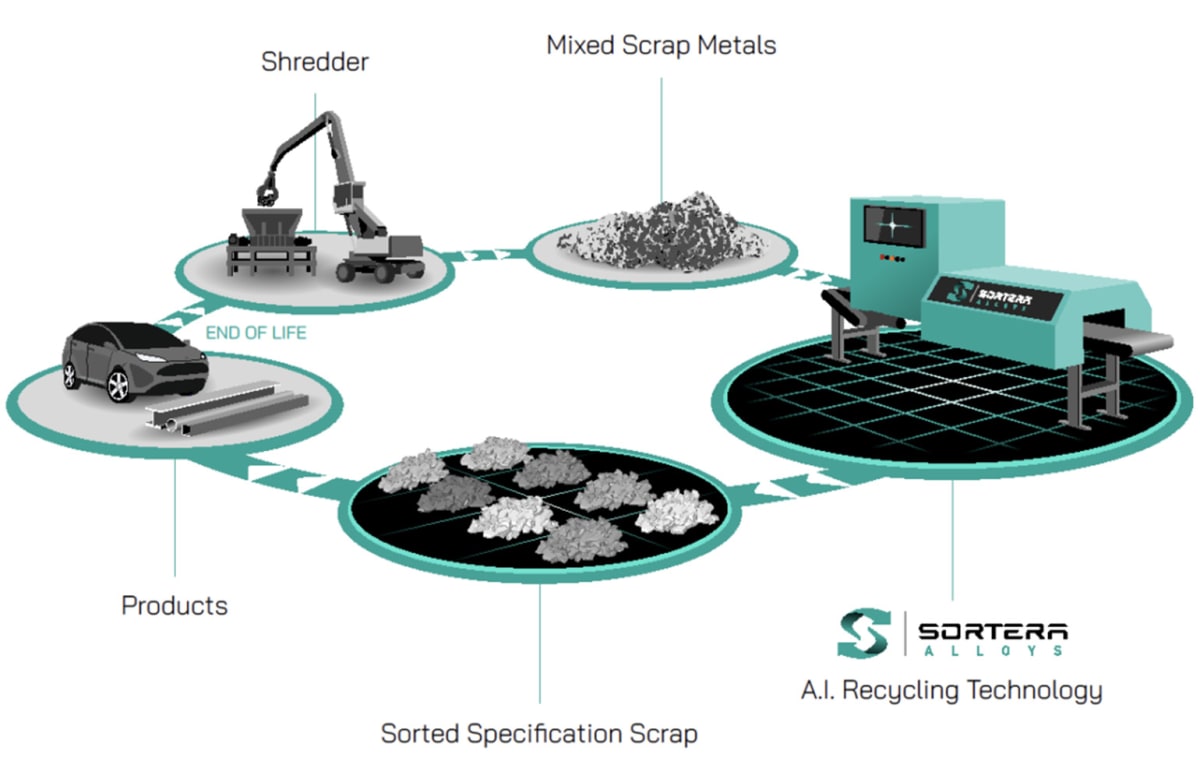
Sortera Technologies just brought its second AI-powered metal sorting facility to full operation, doubling the company's ability to transform mixed scrap into high-purity aluminum. The new plant processes 240 million pounds of recycled metal annually alongside its sister facility in Markle, Indiana.
The Tennessee operation uses artificial intelligence and advanced sensors to sort through jumbled scrap metal that would typically get downgraded or shipped overseas. Instead, the technology identifies and separates different aluminum alloys, creating materials pure enough for automotive parts, construction materials, and even aerospace components.
What makes this facility remarkable is how quickly it worked. Sortera installed the complex AI system and produced sellable, high-quality aluminum within the first week of operation. The entire project came in on schedule and within budget, suggesting the technology has matured beyond experimental stages.
CEO Michael Siemer says the company's first Indiana facility proved that manufacturers are hungry for sustainable, locally sourced recycled aluminum. The Tennessee location answers that demand while cutting transportation costs and emissions for regional customers who previously relied on imports or virgin materials.
The Ripple Effect
The environmental math here tells a compelling story. Recycled aluminum requires 95% less energy to produce than mining and processing new aluminum from scratch. That translates to massive carbon footprint reductions for manufacturers chasing 2030 and 2040 sustainability goals.
Beyond the energy savings, keeping these materials in the U.S. economy builds resilience. American manufacturers gain access to high-quality aluminum without depending on volatile international markets or long supply chains. Regional production means regional jobs and more predictable pricing.
The facilities also solve a problem that has plagued recycling for decades. Mixed metal scrap has traditionally been difficult and expensive to sort, so much of it ends up downgraded to low-value uses or exported. Sortera's AI platform finally makes the economics work for domestic upcycling at scale.
Chief Operating Officer Ben Pope calls the rapid deployment "the next evolution" of sustainable manufacturing infrastructure in North America. The company demonstrated it can replicate success quickly, suggesting more facilities could follow as demand grows.
The Lebanon site joins a growing movement of smart recycling facilities using AI to recover value from waste streams that were once considered too complex or costly to process efficiently.
Every pound of aluminum sorted in Tennessee is one less pound that needs energy-intensive mining somewhere else in the world.
More Images


Based on reporting by The Robot Report
This story was written by BrightWire based on verified news reports.
Spread the positivity!
Share this good news with someone who needs it