Texas Rangers Discover Wooly Devil, New Plant Species
A volunteer and park ranger stumbled upon fuzzy plants no bigger than a thumb in Big Bend National Park. Their photos led scientists to confirm an entirely new genus in the daisy family.
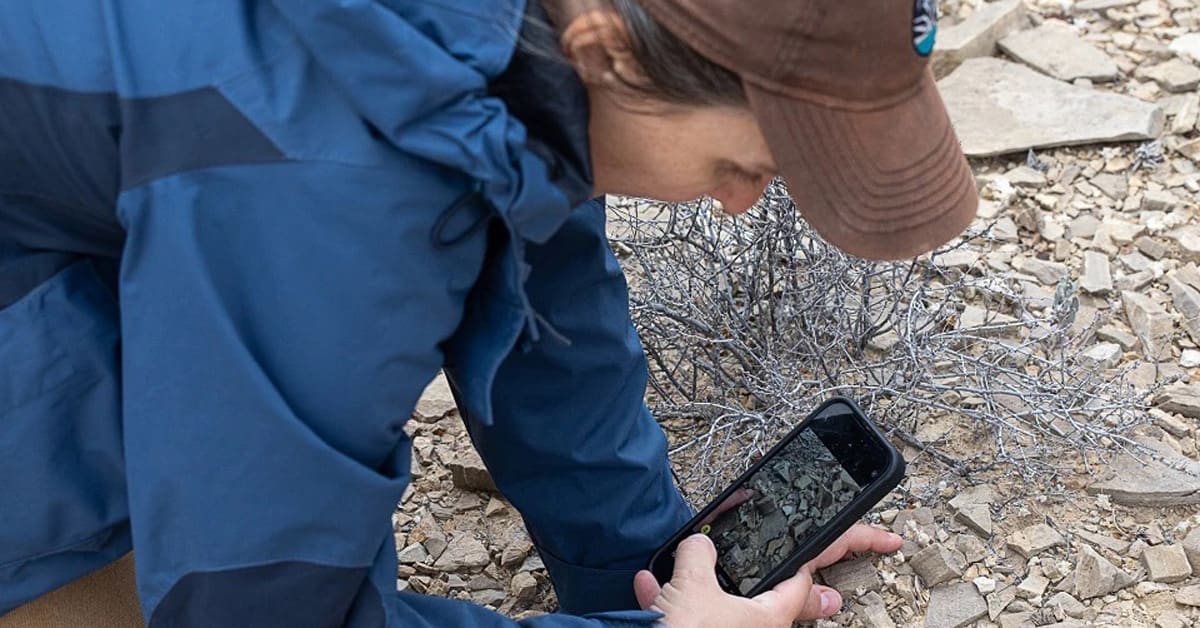
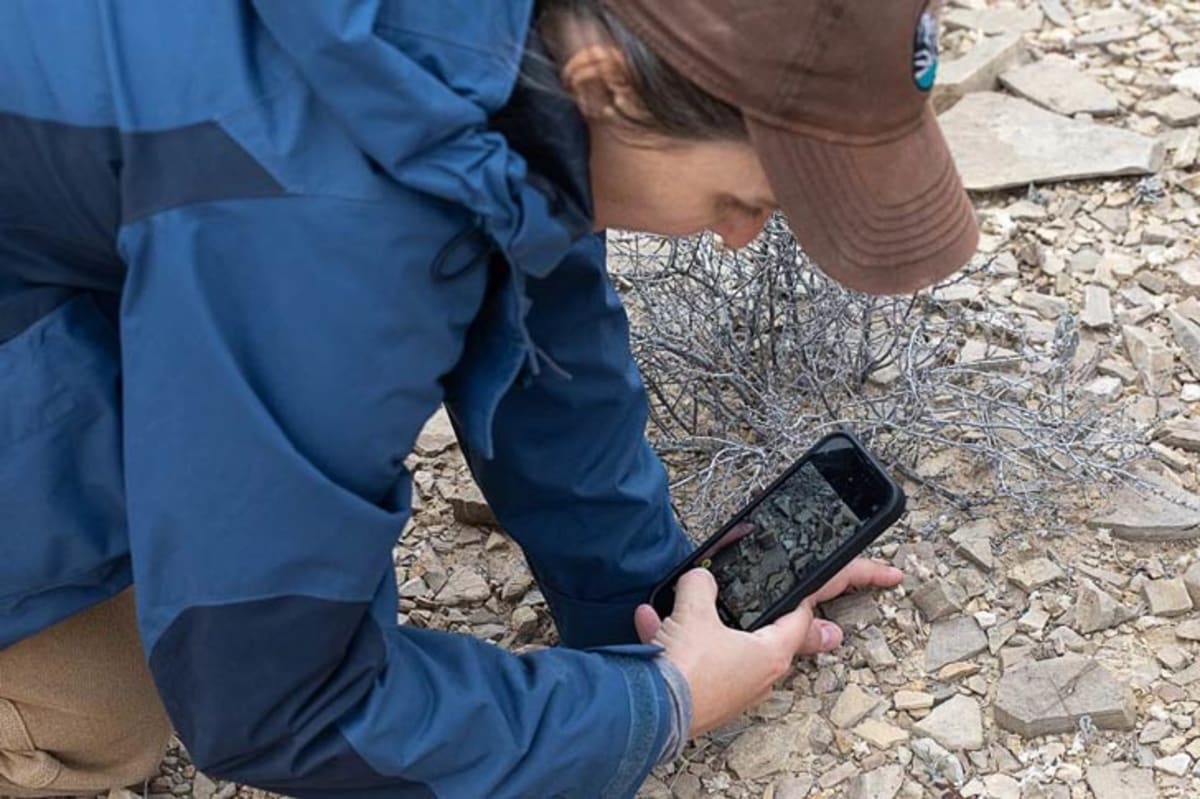
Two people walking through a remote corner of Big Bend National Park in southwest Texas noticed something odd sprouting among the desert rocks in March 2024.
The tiny fuzzy plants looked unfamiliar to both the botany volunteer and the park ranger. They snapped photos and started detective work that would make scientific history.
After consulting databases, herbarium records, and plant experts, then posting images on iNaturalist for crowd identification, the truth became clear. Nobody had ever seen this plant before because it had never been documented by science.
Researchers from the California Academy of Sciences, Sul Ross University, and Centro Interdisciplinario de Investigación para el Desarrollo Integral Regional joined park staff to study the discovery. Their findings, published in the journal PhytoKeys, revealed something even more remarkable than a new species.
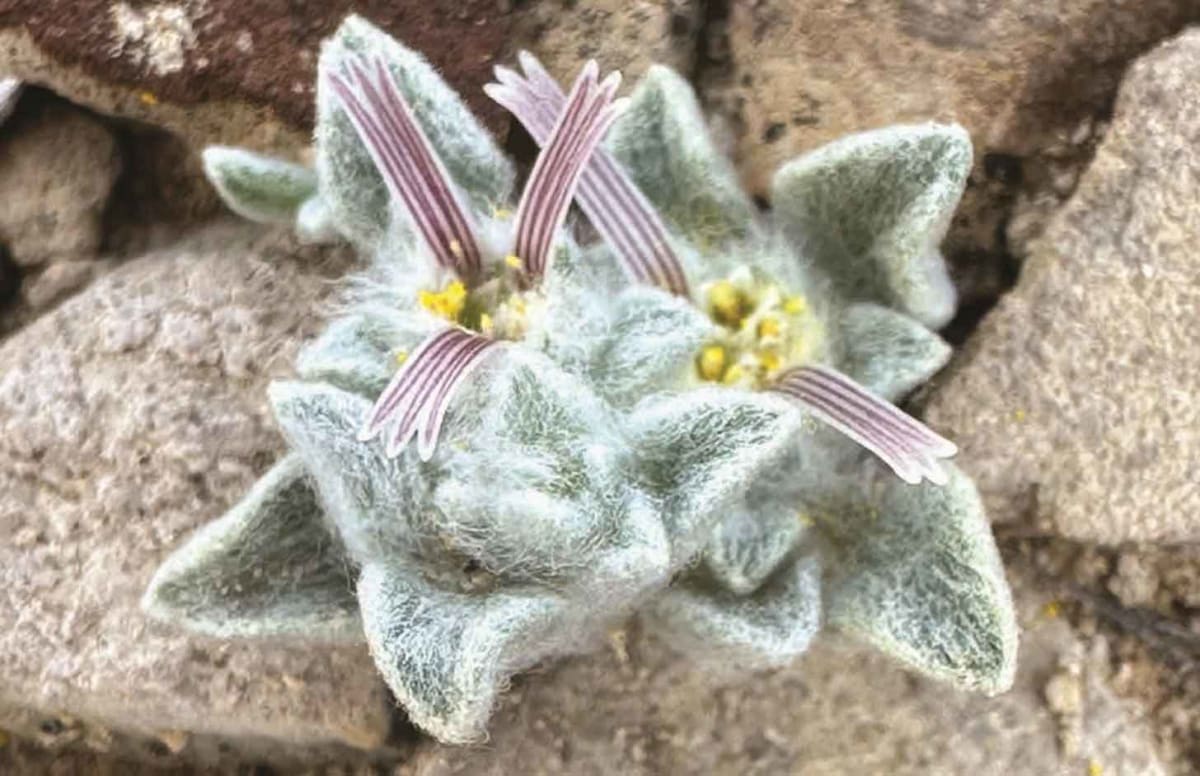
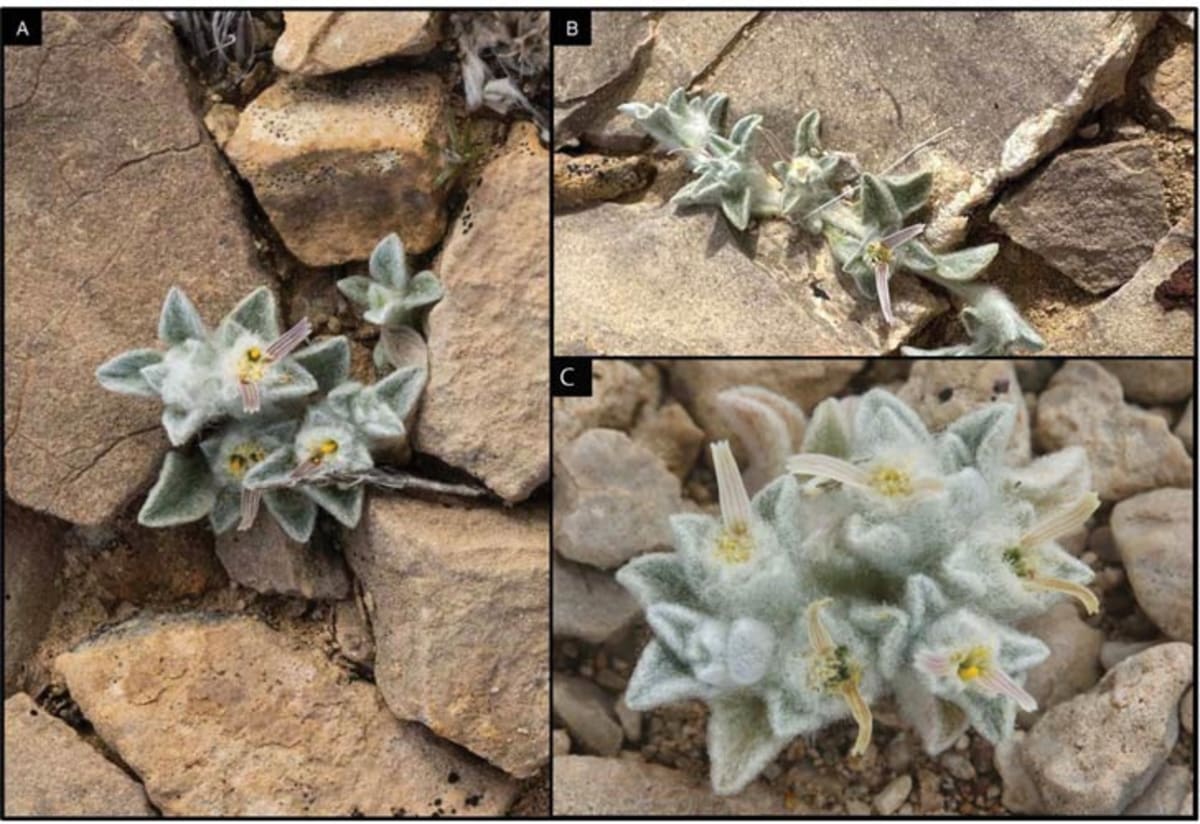
The plant is so distinctive that scientists created an entirely new genus within the daisy family to classify it. The fuzzy leaves and ribbon-like flowers earned it the scientific name Ovicula biradiata, meaning "tiny sheep" with "two conspicuous ray petals."
Scientists affectionately nicknamed it the "wooly devil" because of its fuzzy wool-like leaves and proximity to an area called Devil's Den. The ray florets even resemble tiny horns.
The Ripple Effect
This discovery proves that even America's most visited national parks still hold secrets waiting to be found. The Chihuahuan Desert where the wooly devil grows is the largest and most biologically diverse warm desert in North America, yet this plant had hidden in plain sight within Big Bend's 800,000 acres.
The finding also raises urgent questions about what else might vanish before we discover it. Severe drought conditions linked to climate change have researchers worried enough to preliminarily classify the wooly devil as vulnerable to extinction.
Park Superintendent Anjna O'Connor now wants to know if other populations exist in the park, what pollinates the flowers, and whether current drought conditions will allow the plant to emerge this spring. The exact location remains secret to protect the rare species.
"The task of documenting and describing plant diversity is far from finished in the Chihuahuan Desert," the researchers wrote. Interest and attention can reveal novelties even in places we think we fully understand.
Sometimes the most important discoveries come from simply paying attention to the small wonders under our feet.
More Images

Based on reporting by Good Good Good
This story was written by BrightWire based on verified news reports.
Spread the positivity!
Share this good news with someone who needs it