Thailand Cracks Down on Unsafe Builders After Fatal Accidents
After three deadly construction accidents in one week killed 32 people, Thailand's government is terminating contracts and blacklisting contractors who fail safety standards. The bold move puts public safety above business as usual.
When three construction disasters claimed 32 lives in just seven days, Thailand's Prime Minister decided enough was enough.
Prime Minister Anutin Charnvirakul announced the government will now use administrative powers to immediately halt projects or cancel contracts with contractors who can't guarantee public safety. The decision came after a crane collapsed onto a passenger train in Nakhon Ratchasima on Wednesday, killing 30 people and injuring 69 others.
"When accidents happen repeatedly, pursuing civil remedies under contracts is simply ineffective," Anutin said. The government consulted with the Council of State and Attorney General before making the unprecedented move.
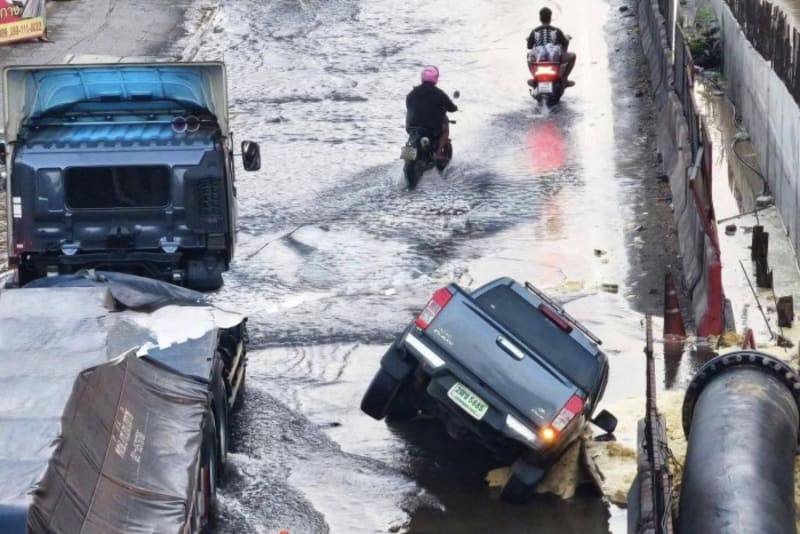
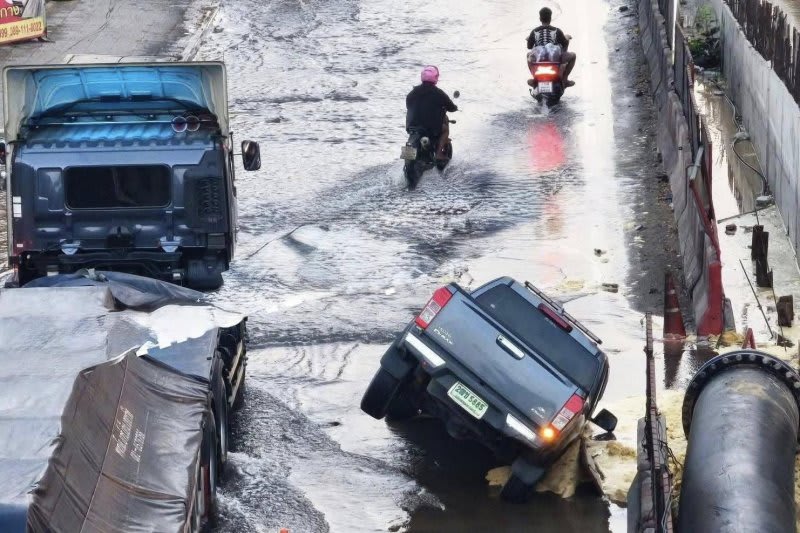
Just two days later, another crane disaster struck the same contractor's elevated expressway project on Rama II Road in Samut Sakhon, killing two workers and injuring five. A third incident on Saturday saw a road collapse into a sinkhole, though thankfully no one was hurt this time.
The government terminated two contracts with Italian-Thai Development, the main contractor on both deadly projects. Transport officials have been ordered to initiate legal proceedings and blacklist the company from future government work.
Civil servants who fail to act on administrative safety orders now face criminal charges for dereliction of duty. The warning signals a major shift in how Thailand holds contractors and officials accountable for construction safety.
The Ripple Effect
The crackdown is already changing construction practices nationwide. The Ministry of Transport held emergency meetings to review safety measures across all transport projects, examining everything from lifting operations to soil retention systems.
Structural engineering experts are working with government teams to prevent future accidents. Professor Amorn Pimanmas from the Structural Engineers Association of Thailand is helping identify weak points in construction near soft clay soils, a common issue in Thailand's terrain.
The 16 people still hospitalized from the train collision are receiving care as investigators examine whether negligence or equipment failure caused the crane to collapse. Police are questioning engineers and machinery operators, with forensic experts noting that cranes "do not collapse without cause."
For families traveling Rama II Road, a vital link between Bangkok and southern provinces, the government's swift action offers reassurance that their safety comes first. The message to contractors is clear: cutting corners on safety will cost them far more than doing the job right.
More Images


Based on reporting by Bangkok Post
This story was written by BrightWire based on verified news reports.
Spread the positivity!
Share this good news with someone who needs it