Thailand Plans $5.6B Fund to Unite Bangkok's Electric Trains
Thailand is creating a $5.6 billion fund to bring all of Bangkok's electric rail lines under one roof, potentially slashing fares and making daily commutes affordable for millions. If successful, the unified system could offer unlimited daily travel for as little as 40 baht (about $1.10).
Imagine hopping on any train in Bangkok for just 40 baht a day, no matter how many trips you take. That future could arrive by 2027 thanks to a bold new plan from Thailand's government.
The State Enterprise Policy Office is designing the Thailand Future Fund, a 200 billion baht investment vehicle that would purchase all electric railway projects across Bangkok and surrounding areas. The goal is simple: unite the city's fragmented rail system under single state ownership and make public transit truly affordable.
Right now, Bangkok's trains operate under different private contracts with varying fare structures. Commuters often pay separately for each line, adding up quickly for people who need multiple transfers. The new system would change that entirely.
The numbers tell an encouraging story. When authorities tested 20 baht flat fares on just two lines (the Red and Purple), ridership jumped by 20% and 30% respectively. People want affordable transit, and they'll use it when it's within reach.
The government plans to model the fund after the successful Vayupak Fund, which promised investors 3% returns but delivered over 6% last year. Both retail and institutional investors would be invited to participate, likely split evenly at 50-50.
Acquiring the rail projects will require reworking existing contracts, a process expected to take about eight months. That puts the earliest start date around late 2026 or early 2027.
The Ripple Effect spreads far beyond cheaper commutes. Study data shows 70% of passengers make just one round trip daily, with average costs around 30 baht per trip. Lower fares would put more money back in workers' pockets while reducing traffic congestion and air pollution as more people choose trains over cars.
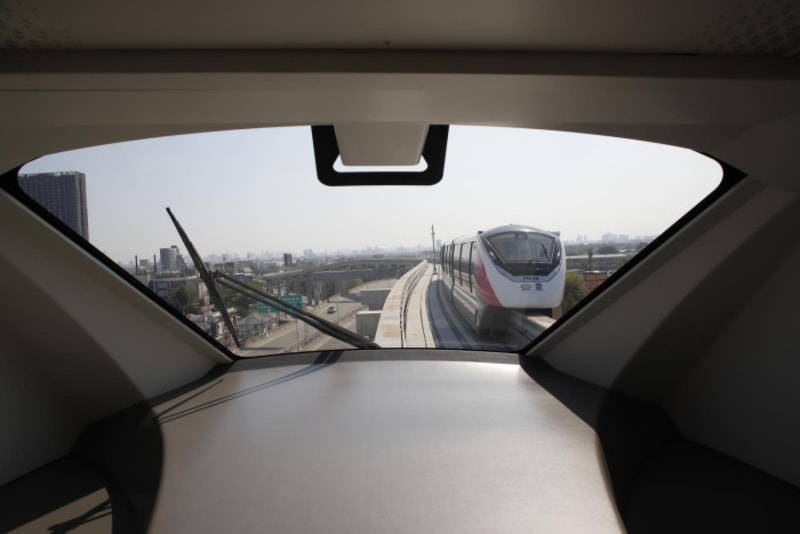
The government holds strong negotiating power right now. The Dark Green and Light Green Line contracts expire in 2029, and the private operators of the Pink and Yellow monorail lines are currently losing money. That gives the state leverage to secure favorable purchase prices for taxpayers.
Critical routes like the Green and Orange lines form the backbone of Bangkok's north-south and east-west corridors. Bringing these under unified management means consistent service, coordinated schedules, and seamless transfers for the millions who rely on them daily.
The Orange Line should reach full operation by 2030 or 2031, completing a comprehensive network that connects communities across the metropolitan area. Private companies would still operate the trains, but under terms that prioritize public benefit over profit margins.
With more riders choosing affordable trains, the system could reach profitability faster than expected, turning public transit from a budget burden into a revenue generator that funds even more improvements.
More Images
Based on reporting by Bangkok Post
This story was written by BrightWire based on verified news reports.
Spread the positivity!
Share this good news with someone who needs it