Thinning Forests Boosts Snowpack 30% in Washington Study
Scientists in Washington's Cascade Mountains discovered that strategically thinning forests can increase snowpack by up to 30 percent, potentially adding millions of gallons of desperately needed water to western states. The research offers a powerful solution to two critical problems: dwindling water supplies and catastrophic wildfires.
Imagine if we could fight wildfires and boost water supplies with the same simple solution. That's exactly what researchers just figured out in Washington state.
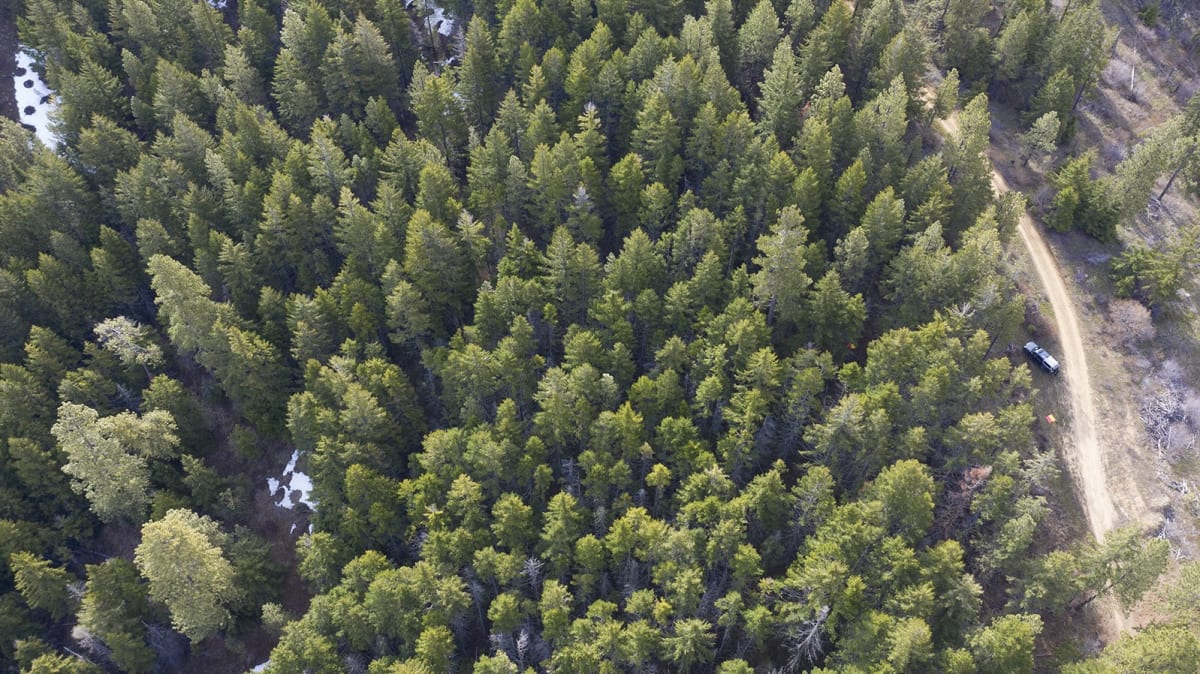
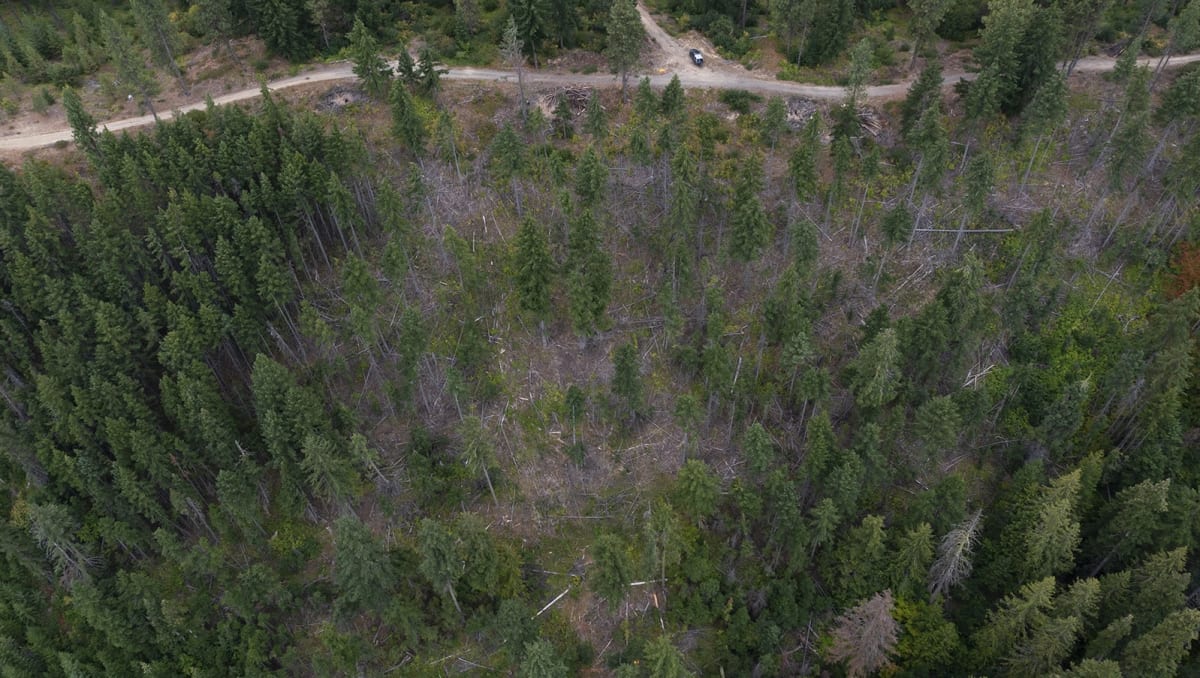
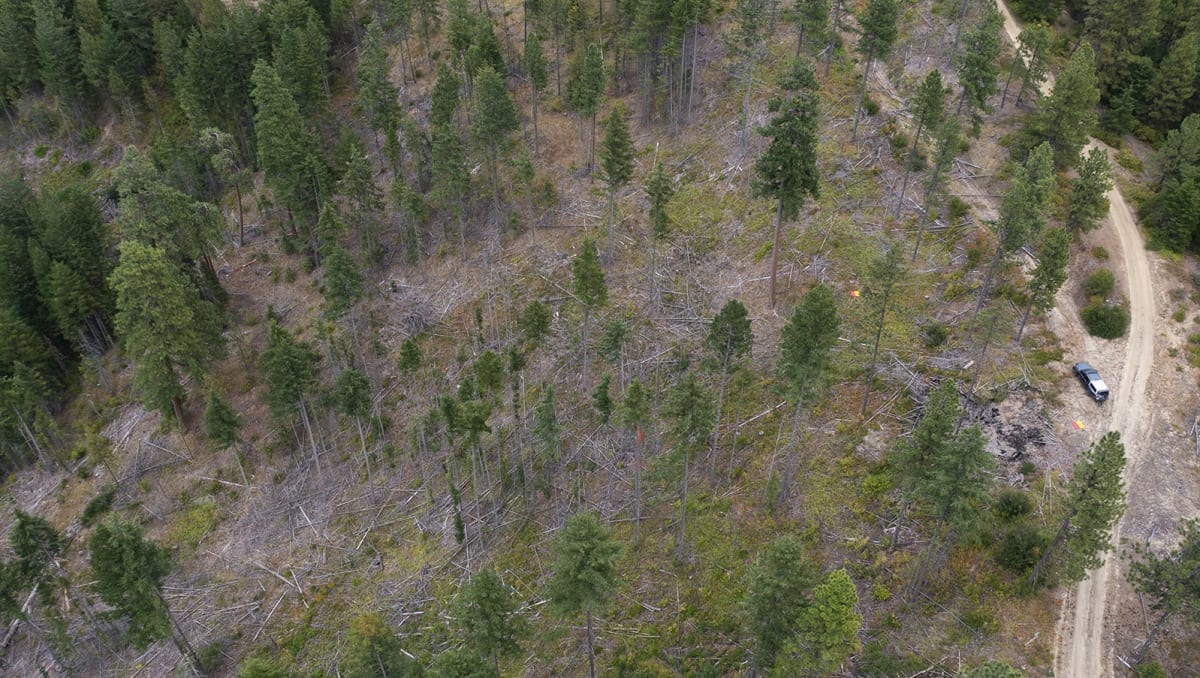
Scientists working in the Cascade Mountains made a discovery that could transform how western states manage their forests and water. By thinning out trees to varying degrees, they found up to 30 percent more snowpack compared to untouched forest areas.
The numbers are staggering. For every 100 acres of properly thinned forest, that translates to an additional 4 million gallons of water. In places like California, where 30 percent of water comes from mountain snowpack, this could be a game changer.
The research team divided forest plots and spaced trees like ponderosa pine and Douglas fir at different distances apart. They used lasers fired from aircraft to measure snow depth with incredible precision, creating detailed maps that showed exactly how thinning affected snowpack accumulation.
The sweet spot turned out to be surprisingly flexible. Trees spaced anywhere between 13 and 52 feet apart delivered similar benefits, giving forest managers lots of room to work with different tree species and local conditions.
Here's why it works: When trees crowd together, their branches catch falling snow that often evaporates before reaching the ground. Opening up gaps lets more snow accumulate on the forest floor, where it acts like a natural time-release water storage system through winter and spring.
Why This Inspires
This isn't just about water. The forest thinning mimics what happened naturally before humans started aggressively suppressing every wildfire. Lightning would strike, smaller fires would clear underbrush, and forests stayed healthy with open, patchy landscapes.
Indigenous peoples have known this for generations, using controlled burns to maintain forests exactly this way. Their traditional knowledge is now helping fire agencies embrace this approach more widely.
The thinned forests are more resistant to the catastrophic blazes that have devastated the West in recent years. They also boost biodiversity, creating space for new plants that attract wildlife like deer. It's a solution that helps ecosystems thrive while securing water for communities.
Emily Howe, an aquatic ecologist at the Nature Conservancy who co-authored the study, points out that the flexibility in tree spacing gives foresters practical options. They can adapt their approach to whatever species they're working with.
Scientists caution that every forest is unique, and more research is needed to understand how this applies to different regions and climates. But the Washington results offer real hope for a West facing severe snow droughts and increasingly dangerous fire seasons.
Nature has always had the answer.
More Images

Based on reporting by Google News - Researchers Find
This story was written by BrightWire based on verified news reports.
Spread the positivity!
Share this good news with someone who needs it