Three Companies Now Cleared for Private Space Station Flights
NASA just approved a third company to send private astronauts to the International Space Station, accelerating plans for a future where multiple commercial space stations orbit Earth. Voyager Technologies joins Axiom Space and Vast in preparing missions that will help build the next generation of orbital outposts.
NASA is opening the door wider for commercial spaceflight, awarding Voyager Technologies a contract to fly private astronauts to the International Space Station starting in 2028.
The announcement surprised many because NASA initially planned to select just two companies for its latest round of missions. But after reviewing proposals and adjusting priorities, the agency decided it could support one more flight in the same timeframe.
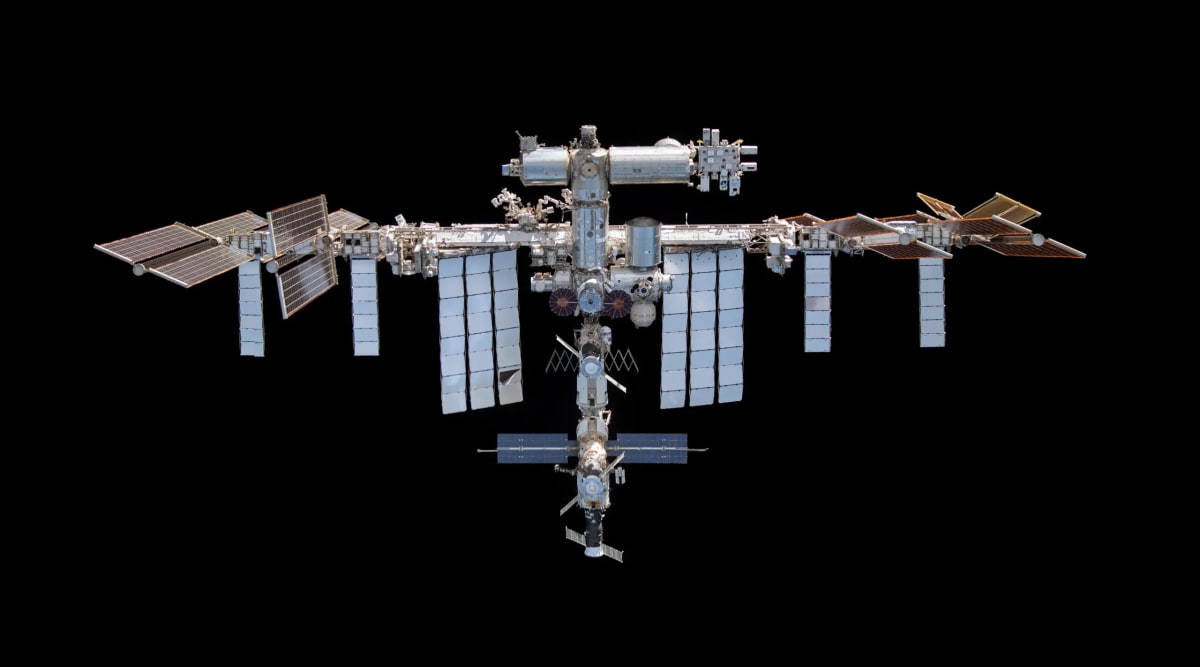
Voyager joins Axiom Space and Vast as the three companies now preparing private astronaut missions to the ISS. Each company is also building its own commercial space station to eventually replace the aging ISS, making these missions valuable practice runs.
NASA Administrator Jared Isaacman sees the growing competition as essential for the future. "Each new partner brings fresh capabilities that move us closer to a future with multiple commercially operated space stations and a vibrant, sustainable marketplace in low Earth orbit," he said in a statement.
All three companies are taking different approaches to their commercial stations. Axiom is developing the modular Axiom Station and has already flown four private missions, with a fifth scheduled for early 2027. Vast is launching the single-module Haven-1 station next year before building the larger Haven-2.
Voyager leads the Starlab Space joint venture, which is designing the Starlab station. Dylan Taylor, Voyager's CEO, called the NASA award validation that today's orbital infrastructure will become "the launchpad for humanity's future in deep space."
NASA also made a game-changing policy shift that should help companies fill their flights. Previously, the commander seat on each mission had to go to a former NASA astronaut with spaceflight experience. Now companies can sell that seat to other qualified customers, opening up more revenue opportunities.
The missions will each last about two weeks and likely use SpaceX Crew Dragon spacecraft. Companies are now working to fill their crew rosters with candidates from national space agencies around the world.
The Ripple Effect
This expansion of private spaceflight reaches far beyond tourism or prestige. More companies flying missions means more people gaining experience in orbit, more technology being tested, and more nations accessing space without building their own programs from scratch.
The competition is also driving innovation in station design and mission planning. Vast CEO Max Haot noted that Haven-1 offers "very different" aesthetics compared to the ISS, giving customers new options for their orbital experience.
As NASA prepares to eventually retire the ISS, having multiple commercial alternatives ready to go ensures America maintains continuous access to low Earth orbit. That continuity matters for scientific research, technology development, and maintaining the skilled workforce needed for deep space missions.
The orbital economy that seemed like science fiction a decade ago is rapidly becoming reality, one private mission at a time.
More Images


Based on reporting by SpaceNews
This story was written by BrightWire based on verified news reports.
Spread the positivity!
Share this good news with someone who needs it