Tibetan Herders Adapt as Solar Farms Transform Ancient Land
Nomadic communities on the Tibetan Plateau are learning to live alongside massive solar farms that now cover their ancestral grazing lands. While the transition brings both opportunity and tension, herders are finding ways to continue their traditional way of life beneath the panels.
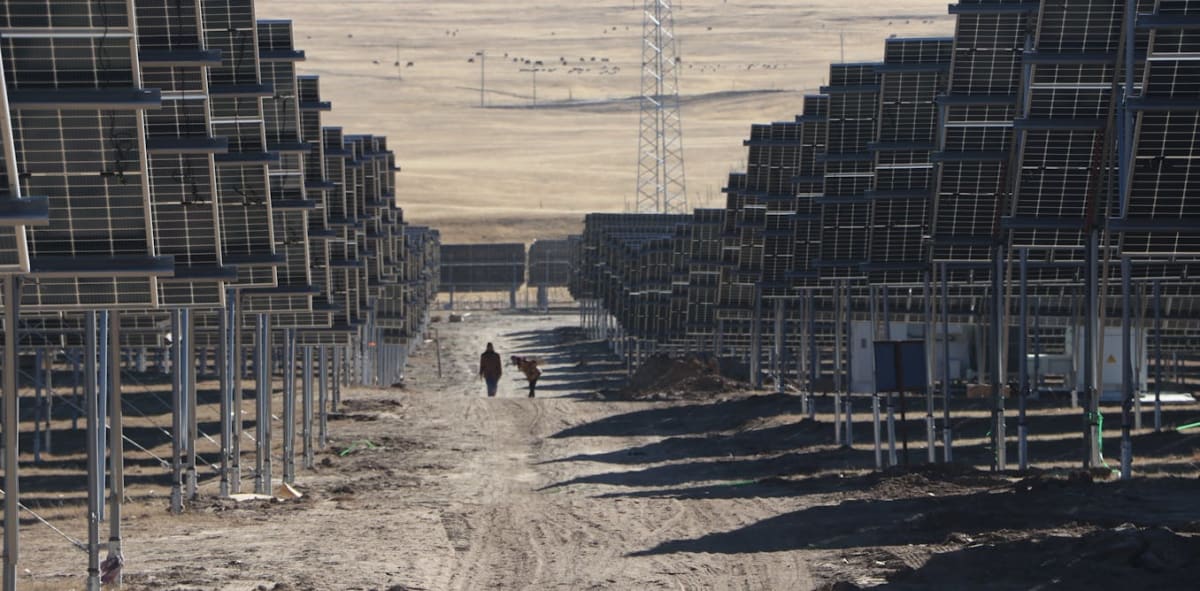
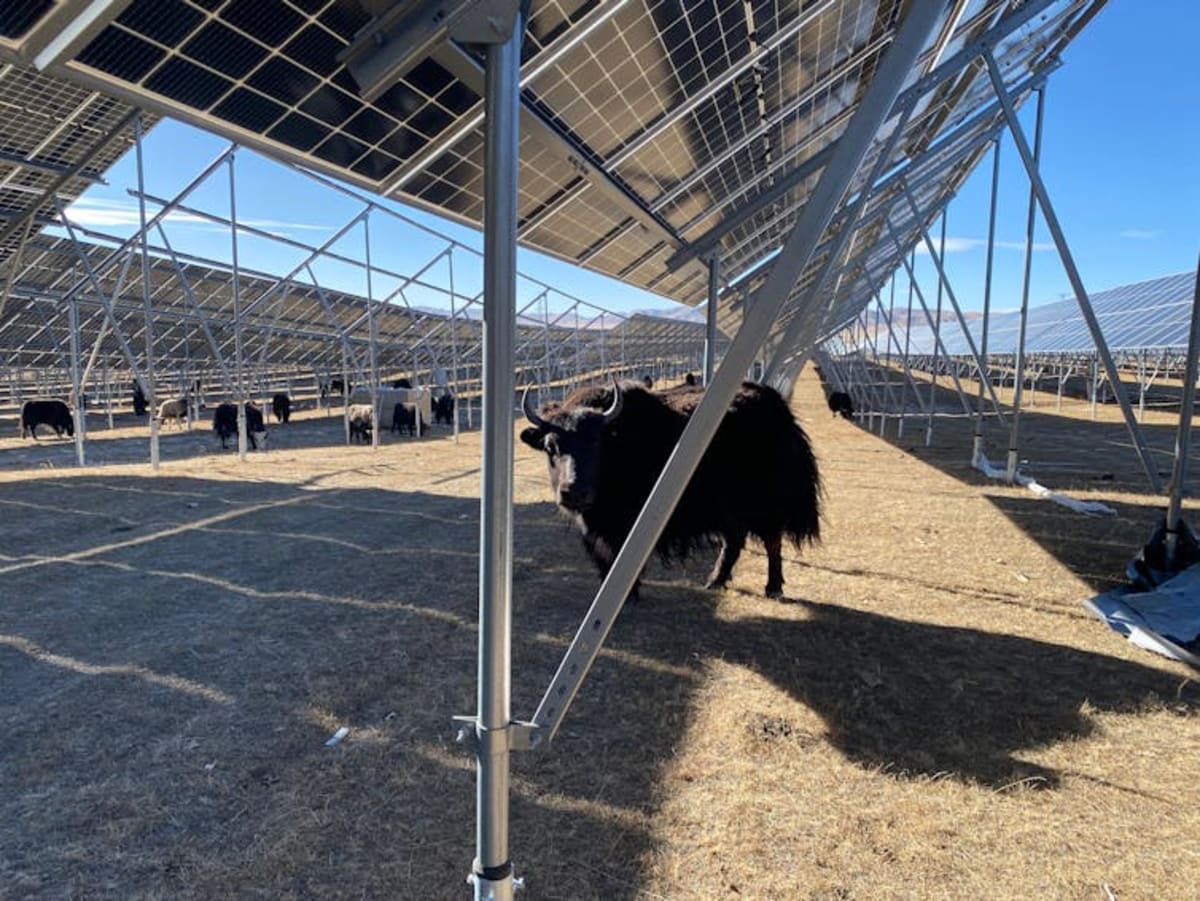
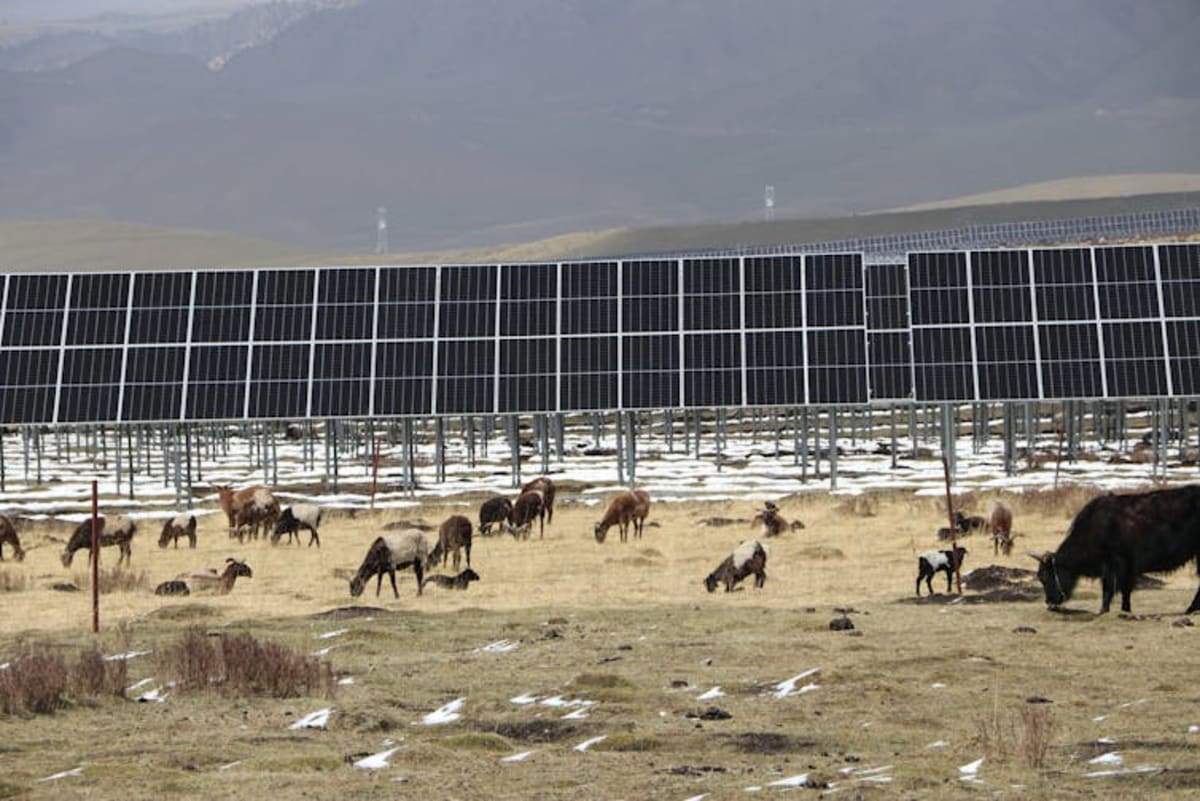
Dolma guides her yaks through rows of solar panels on the Tibetan Plateau, where her family has herded animals for generations. What was once boundless grassland is now home to some of the world's largest renewable energy projects.
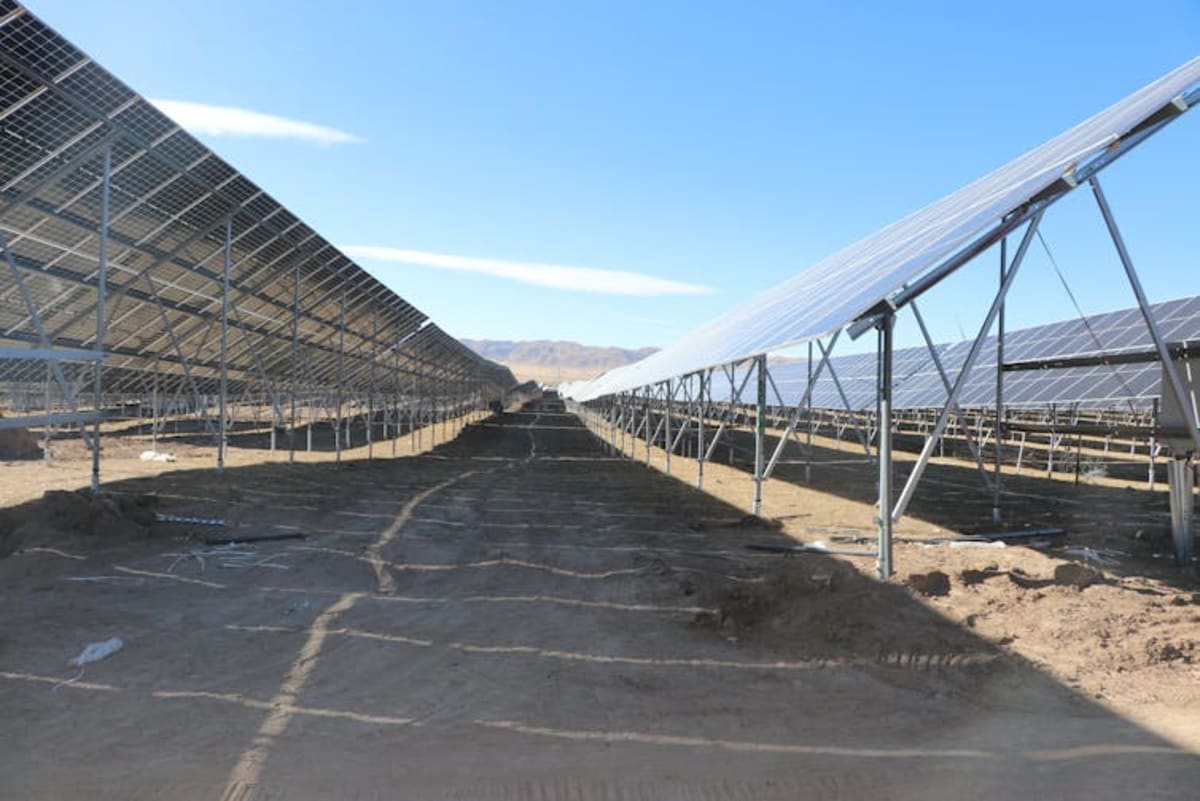
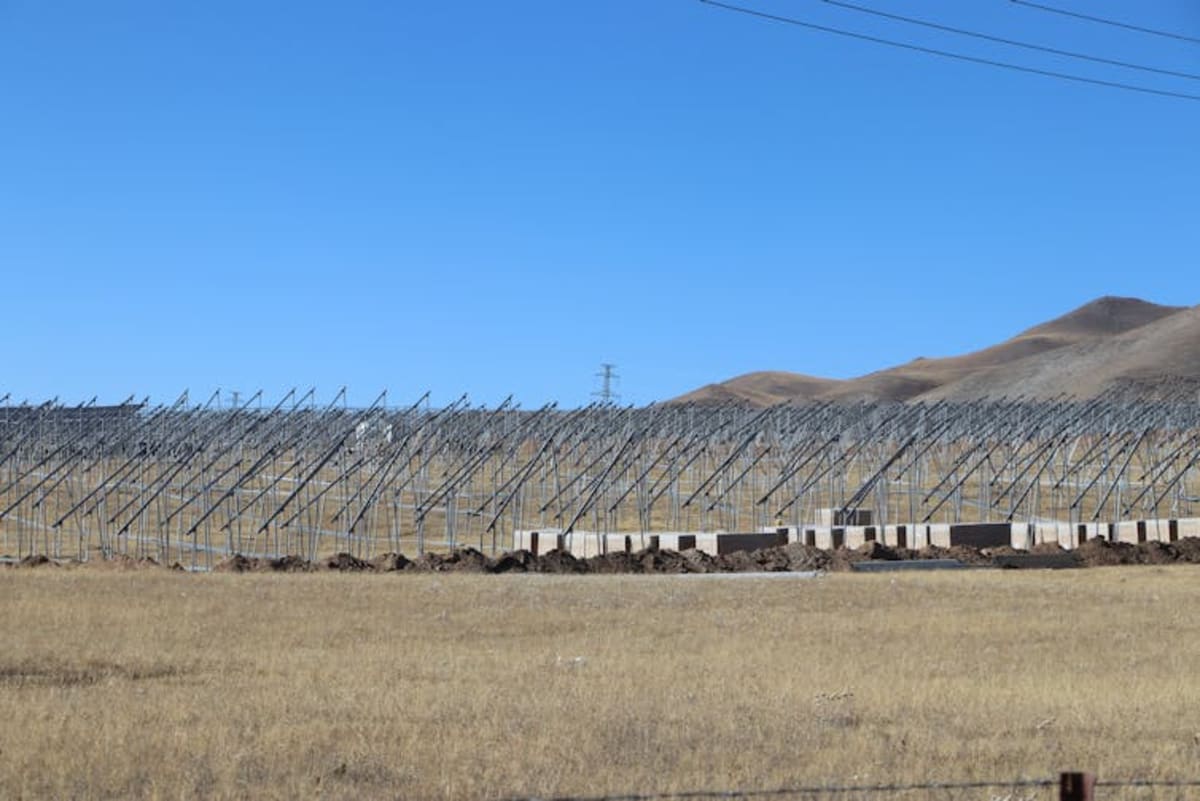
Since 2017, energy companies have built solar farms capable of generating 1 gigawatt of power about 100 miles southeast of Xining city. Wind turbines now dot landscapes where Tibetan nomads have lived for millennia.
The transformation is dramatic. Walking through the solar installations feels like moving through a dense forest of iron pillars, according to local observers. "It is easy to get lost in this jungle of solar panels," one resident noted.
Yet life continues beneath the glass. Herders still graze their yaks and sheep on the land, adapting to the new landscape. The grasslands remain productive, even as they serve a dual purpose.
The changes bring mixed feelings to the community. Some families view the solar farms as welcome economic opportunities, receiving payments between $440 and $587 per acre for 25-year leases. Those who secured leases gain financial benefits that help support their families.
Others worry about losing connection to land their ancestors protected. "These days people are like grass growing on a wall, easily swayed by the slightest breeze of money," says Tsering, a local observer concerned about preserving traditional ways.
The Ripple Effect
The solar development connects to China's broader clean energy goals, bringing renewable power to millions while providing income to remote communities. These projects help reduce carbon emissions nationwide while attempting to modernize rural areas.
The collaboration shows how traditional livelihoods and modern energy needs can coexist. Families continue herding while supporting clean energy development that benefits the wider world.
However, the transition requires careful navigation. Many families signed lease agreements without fully understanding the complex legal language, relying on oral translations during signing. Communication gaps highlight the need for better community engagement.
As land use certificates approach their 2050 expiration dates, questions remain about the future. What happens when both solar leases and grassland rights expire remains uncertain.
For now, herders like Dolma continue their daily work, guiding animals through a landscape that honors both ancient tradition and modern innovation, proving that change and continuity can walk side by side.
More Images
Based on reporting by Google News - Wind Energy
This story was written by BrightWire based on verified news reports.
Spread the positivity!
Share this good news with someone who needs it