Tiger Moms Share Babysitting Duties on BBC's Tiger Island
Wildlife cameras captured something scientists never expected: two wild tiger mothers taking turns watching each other's cubs. The adorable footage rewrites what we thought we knew about these supposedly solitary predators.
Wild tigers just proved that even apex predators know the value of a good babysitting swap.
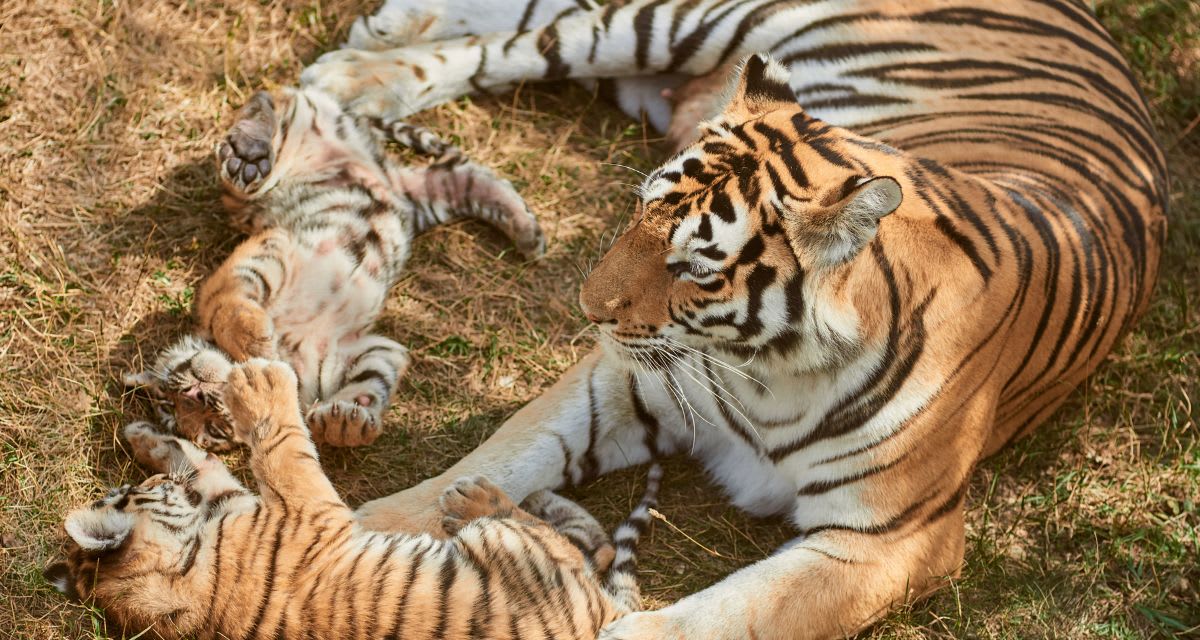
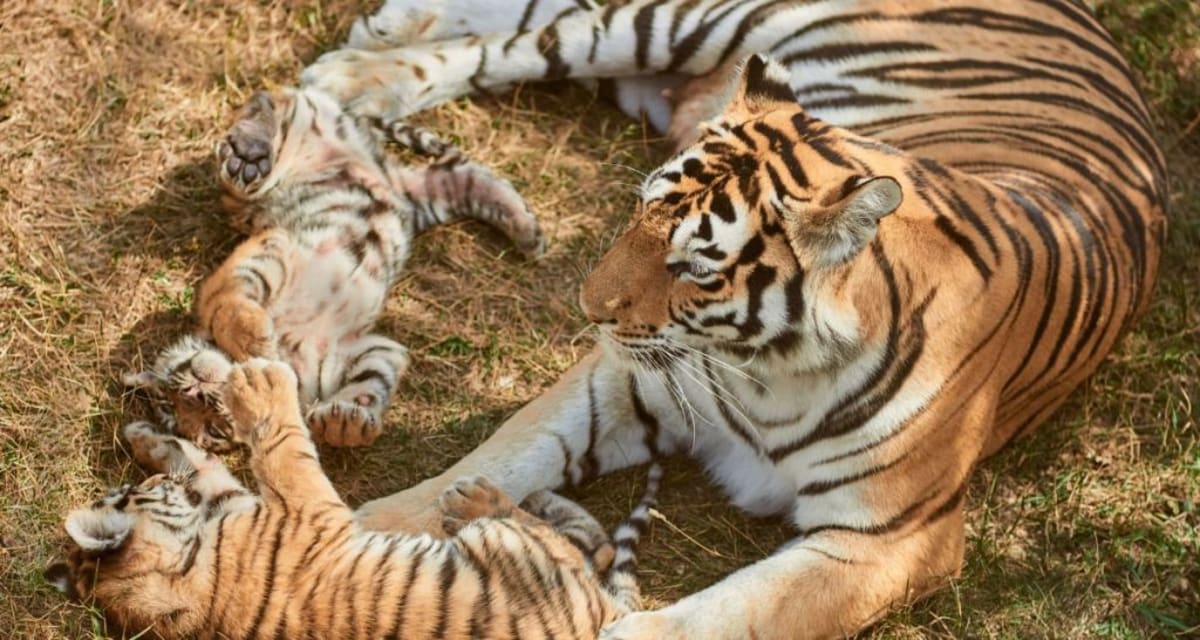
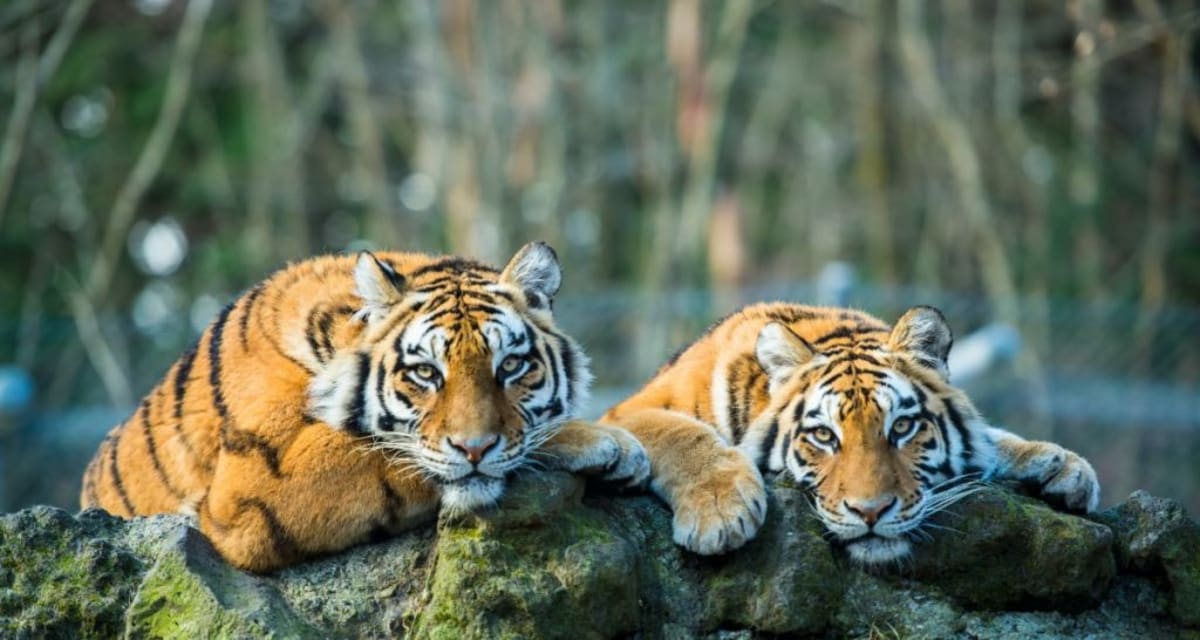
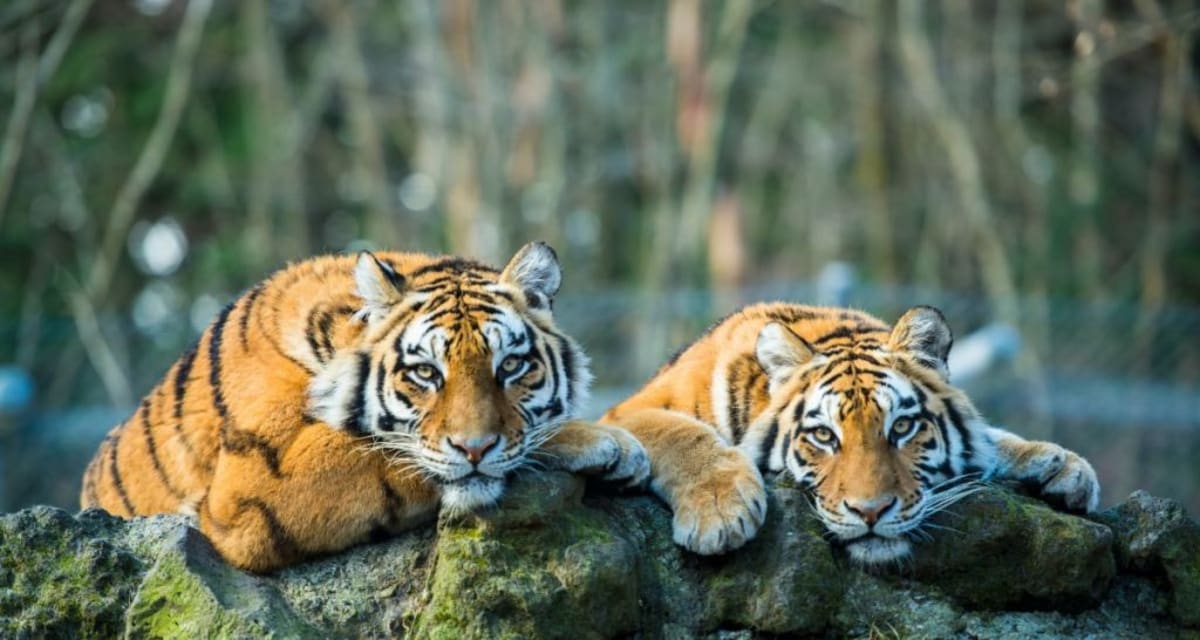
Researchers filming BBC Earth's documentary Tiger Island couldn't believe their eyes when drone footage revealed something extraordinary. A mother tiger named Goma was resting with her two cubs when three more little ones joined the group, forming what can only be described as a giant rust-colored cuddle puddle.
Plot twist: those extra cubs belonged to another tiger mom named Jugini, who was off taking some much-needed time to eat and recharge.
This behavior flies in the face of everything scientists have documented about tigers. These big cats are famously solitary, typically avoiding each other except when absolutely necessary. Cooperative parenting? That's not supposed to happen.
"They don't share cubs, they don't share parenting duties," said Wildlife Biologist Dan O'Neill, his voice filled with disbelief. Cinematographer Max Hug Williams summed it up perfectly: "This is NOT what it says in the textbooks."
The research team believes Goma and Jugini may have teamed up to protect their young from threats posed by male tigers. Safety in numbers, tiger style.
Why This Inspires
This footage does more than melt hearts. It gives scientists a rare window into tiger behavior that's almost impossible to observe in the wild.
Because tigers spend so much time alone in remote landscapes, even decades of research can leave gaps in our understanding. Moments like this fill in crucial pieces of the puzzle about how these magnificent animals actually live.
And tigers keep surprising us. Back in 2006, a male Royal Bengal Tiger named T-25 became a single dad when he took in two orphaned cubs after their mother died. He protected and raised them until they could survive on their own, defying every expectation about aggressive male tiger behavior.
Both stories prove the same beautiful truth: animal behavior is far more flexible and nuanced than any field guide suggests. Even the most studied predators on Earth still have secrets to share.
As O'Neill reflected, "You just don't imagine that there are things to learn still about the most iconic animal on the planet. But there is."
More Images

Based on reporting by Upworthy
This story was written by BrightWire based on verified news reports.
Spread the positivity!
Share this good news with someone who needs it