Tiny Drones Navigate Like Bees With 42KB of Memory
Scientists taught drones to find their way home like honeybees, using just 42 kilobytes of memory—about the size of a single sticker image. The breakthrough could transform how lightweight robots navigate without GPS.
📺 Watch the full story above
A drone just learned to navigate using brain power smaller than a sesame seed, and it might change how robots find their way home.
Researchers at Delft University of Technology in the Netherlands developed a navigation system inspired by honeybees that lets lightweight drones fly over 600 meters and return to their starting point using just 42 kilobytes of memory. That's roughly the size of a WhatsApp sticker, yet it accomplishes what typically requires thousands of times more computing power.
Honeybees regularly travel up to two miles from their hive to find food and return with remarkable accuracy. Relative to their body size, it's like a human traveling hundreds of miles and finding their way back without a map, compass, or GPS.
The secret lies in how bees think about navigation. Instead of building detailed maps, they perform short "learning flights" around their hive before longer journeys, creating visual memories of their neighborhood. They combine these snapshots with odometry, a simple process that tracks roughly how far they've traveled and in what direction based on body movements.
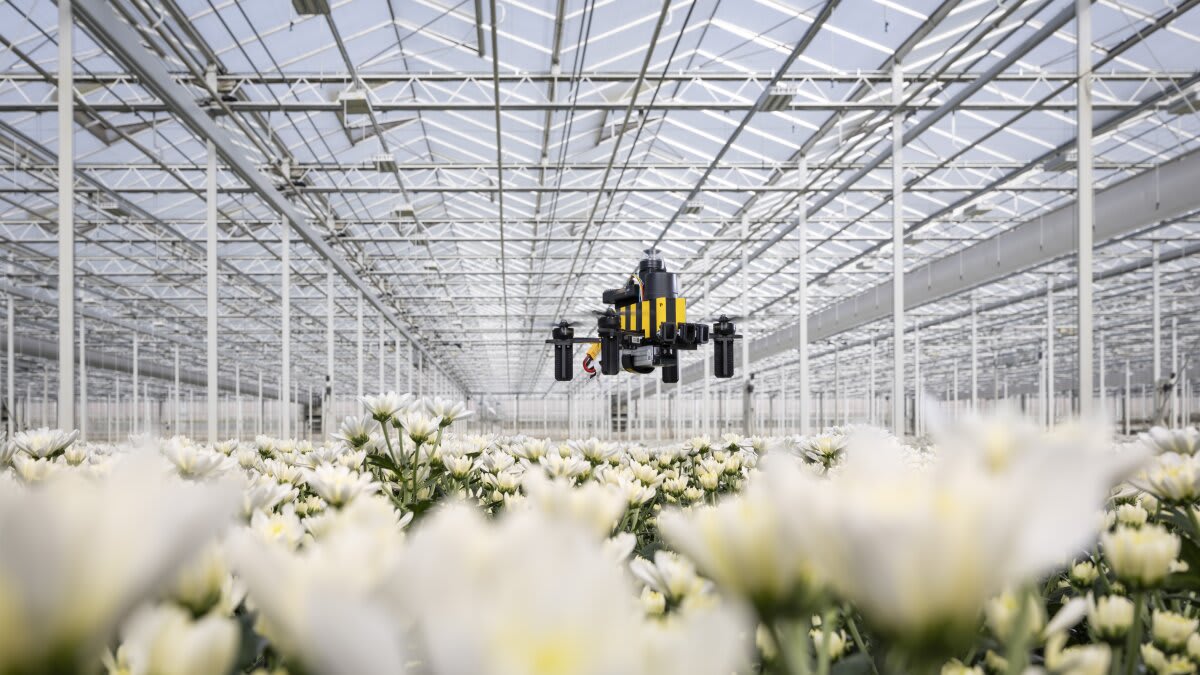
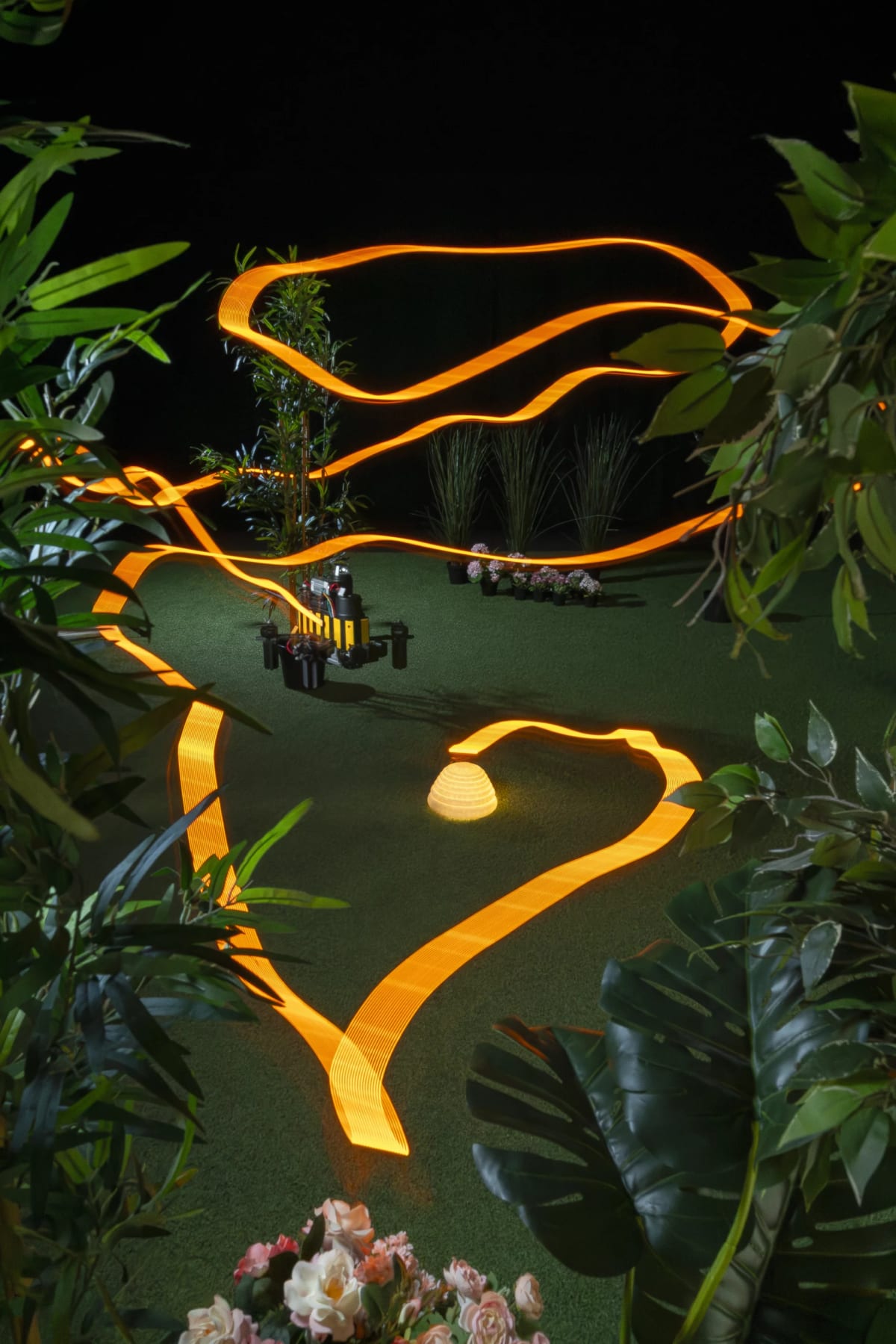
The research team, led by PhD candidate Dequan Ou, replicated this strategy in their Bee-Nav system. The drone takes a short learning flight around its home base, capturing panoramic images. A tiny neural network then processes these views to estimate both direction and distance back to the starting point.
In one indoor experiment, the team achieved successful homing using just 3.4 kilobytes of memory. The drone adjusted its behavior based on distance, flying quickly when far away and slowing as it approached home.
The system worked flawlessly in large indoor spaces like aircraft hangars. Outdoor tests at the Dutch research facility Unmanned Valley proved more challenging, with success rates around 70 percent in windy conditions, but the drone still completed journeys over 600 meters.
The Bright Side
This breakthrough addresses a fundamental challenge in robotics without requiring heavy batteries or expensive computing equipment. Current autonomous drones typically rely on GPS and detailed environmental mapping systems that demand significant power and memory, resources that are precious in small flying robots where every gram matters.
The applications stretch across industries. Lightweight drones could inspect industrial infrastructure, monitor crops in commercial greenhouses, deliver packages in GPS-denied environments, or explore disaster zones where traditional navigation fails.
What makes this particularly exciting is the efficiency. Modern AI systems typically require massive neural networks and substantial computing resources. The Bee-Nav system proves that nature-inspired solutions can achieve impressive results with a fraction of the technology.
The research, published in the journal Nature, demonstrates that sometimes the best innovations come from observing the smallest creatures. Bees have been perfecting their navigation for millions of years, and now their wisdom is helping robots find their way home.
A sesame seed-sized solution is opening giant possibilities for the future of autonomous flight.
More Images


Based on reporting by New Atlas
This story was written by BrightWire based on verified news reports.
Spread the positivity!
Share this good news with someone who needs it