Tiny Fossil Rewrites How Life First Walked on Land
Scientists discovered that the first land animals didn't go through a tadpole stage like we thought for decades. Amateur fossil hunters in Illinois helped crack the 300-million-year-old mystery.
A baby fossil sitting forgotten in a museum drawer just overturned everything we learned in science class about how life conquered land.
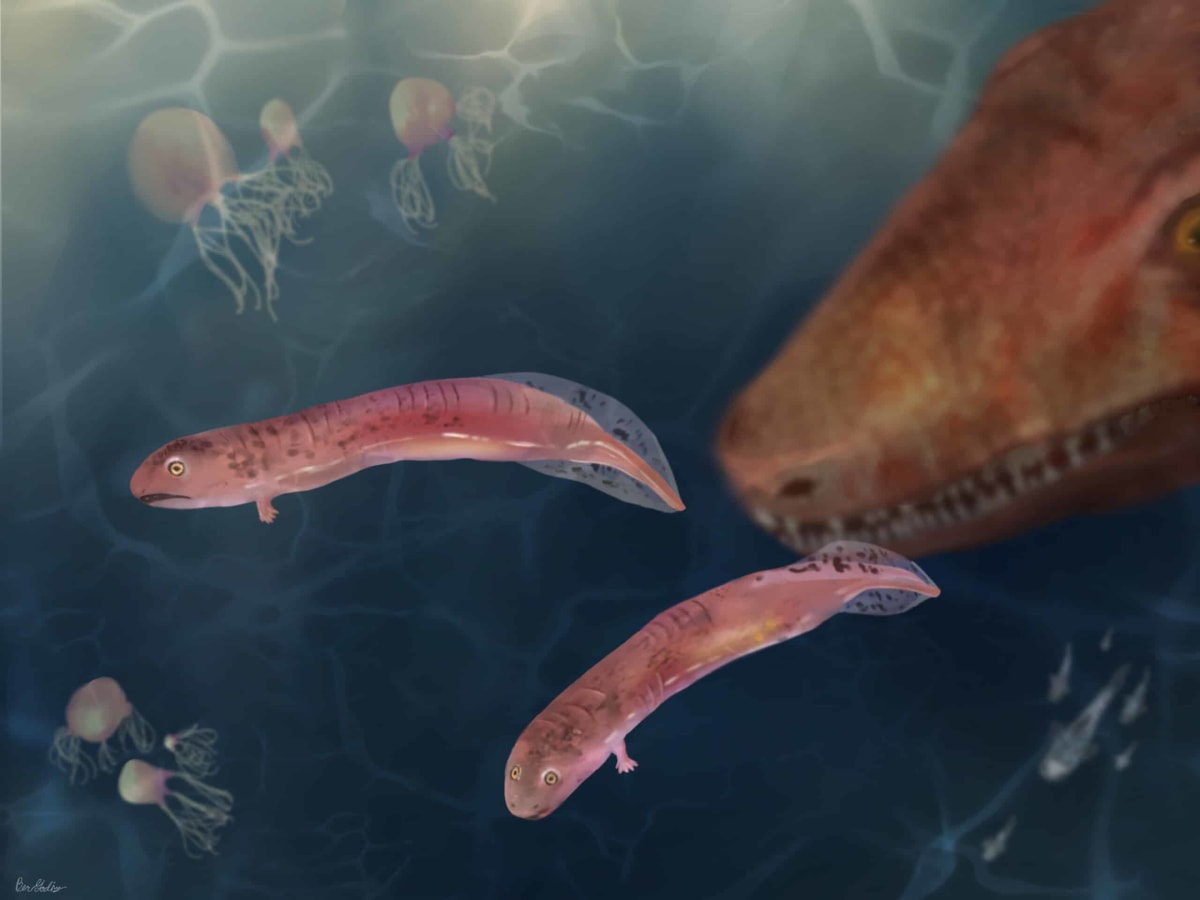
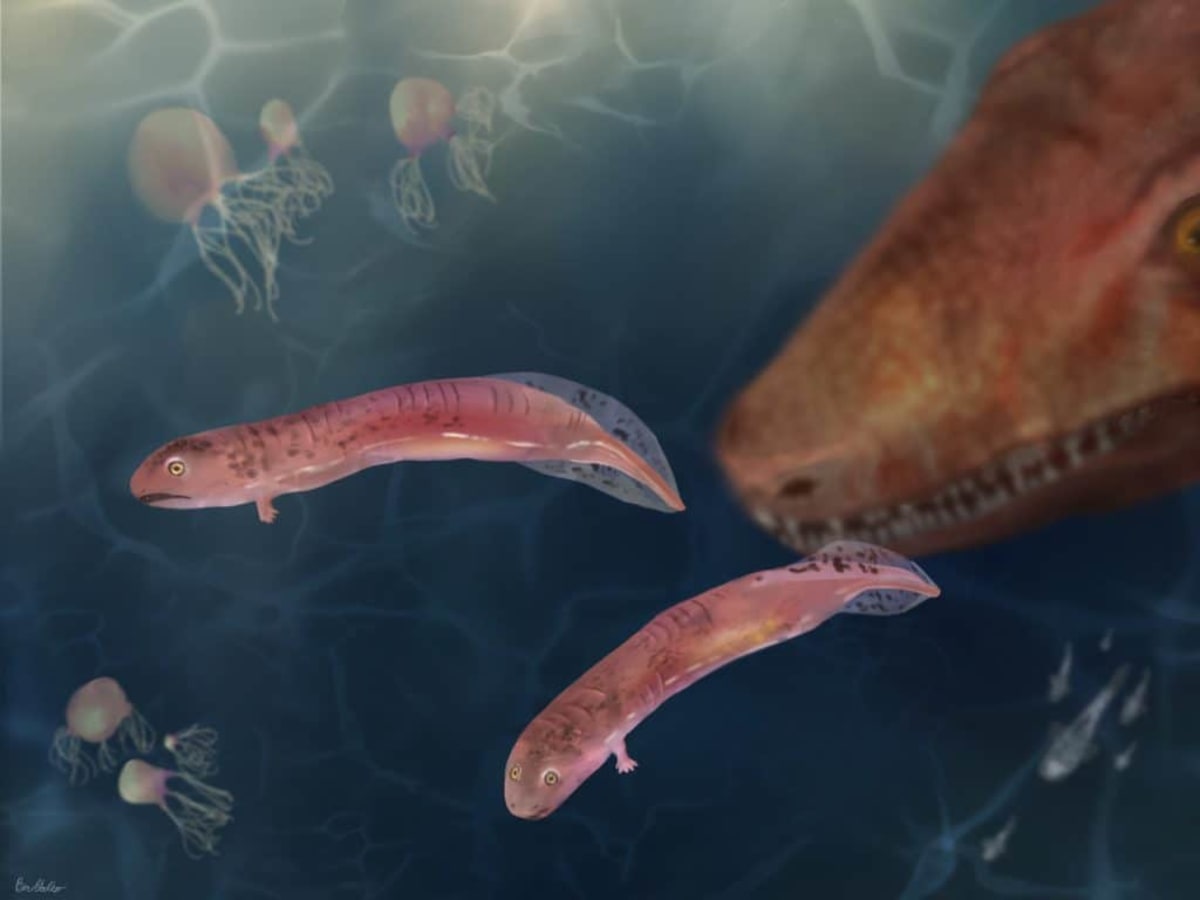
For decades, textbooks told us the same story. Fish crawled out of ancient swamps, transformed like modern tadpoles into salamanders, and eventually became reptiles and mammals. But researchers studying microscopic fossils from Illinois discovered that our earliest land-walking ancestors completely skipped the tadpole phase.
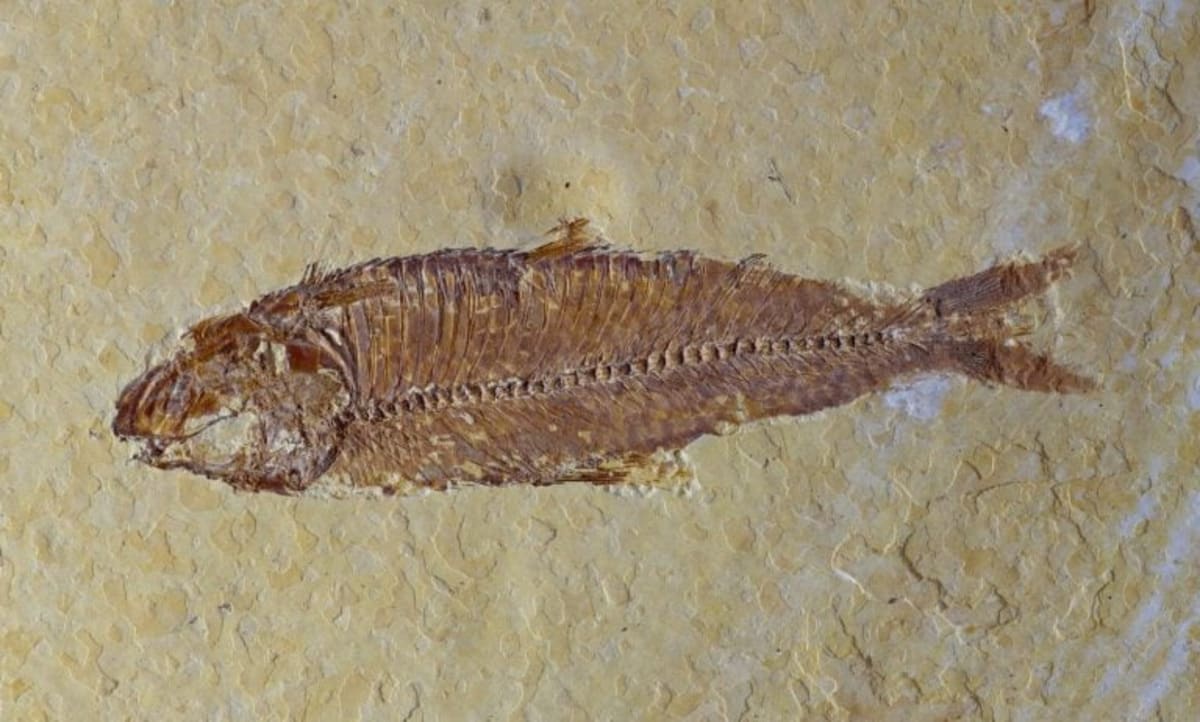
The breakthrough came from Mazon Creek, a fossil site about an hour southwest of Chicago. This location is famous for its ironstone nodules that formed rapidly around ancient creatures 300 million years ago, preserving delicate baby animals that normally vanish from the fossil record.
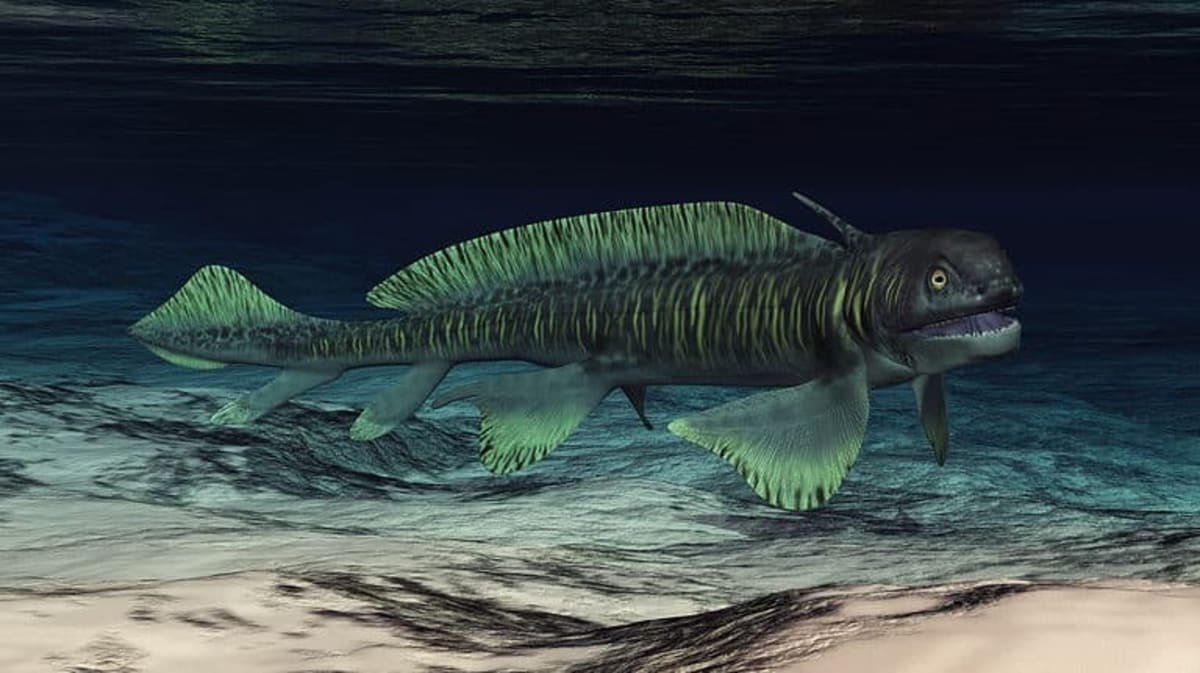
At the heart of the discovery are tiny fossils of embolomeres, massive crocodile-like predators that once ruled ancient rivers and grew over 10 feet long. The specimens found were babies measuring just a few centimeters, and Assistant Curator Arjan Mann from the Field Museum spent a decade puzzling over them.
Using electron microscopy, Mann and colleague Jason Pardo examined the fossils down to the micrometer. What they didn't find changed everything: no frilly external gills, no specialized tadpole jaw structures, and no signs of the dramatic metamorphosis that defines modern frogs and salamanders.
Instead, these ancient babies hatched looking like tiny versions of their parents, with life cycles more like ours than like modern amphibians. The study, published in Science, proves that metamorphosis wasn't the key adaptation for conquering land after all. Modern amphibians developed their unique tadpole stage later in their own specialized evolution.
The Ripple Effect
This discovery couldn't have happened without everyday people getting curious. Many specimens came from amateur collectors, hobbyists, and volunteers working with groups like the Earth Science Club of Northern Illinois and the Lauer Foundation for Paleontology.
These citizen scientists walked through creek beds, spotted unusual rocks, and had the curiosity to share them with researchers. Their contributions turned a strange-looking nodule into evidence that rewrote 300 million years of evolutionary history.
The finding reminds us that major scientific breakthroughs don't just happen in sterile labs. Sometimes the biggest discoveries come from regular people paying attention to the world around them, asking questions, and choosing to share what they find with others who can help unlock its secrets.
Science keeps getting better when more people get involved in the search for answers.
More Images

Based on reporting by Google: fossil discovery
This story was written by BrightWire based on verified news reports.
Spread the positivity!
Share this good news with someone who needs it