Total Eclipse Wows Europe with Stunning Display
Millions across Europe paused their day on August 12, 2026, to witness a breathtaking total solar eclipse that swept across the continent. From Spain's mountains to London's parks, people gathered under a shared sky for a rare moment of collective wonder.
Millions across Europe paused their day on August 12, 2026, to witness a breathtaking total solar eclipse that swept across the continent. From Spain's mountains to London's parks, people gathered under a shared sky for a rare moment of collective wonder.
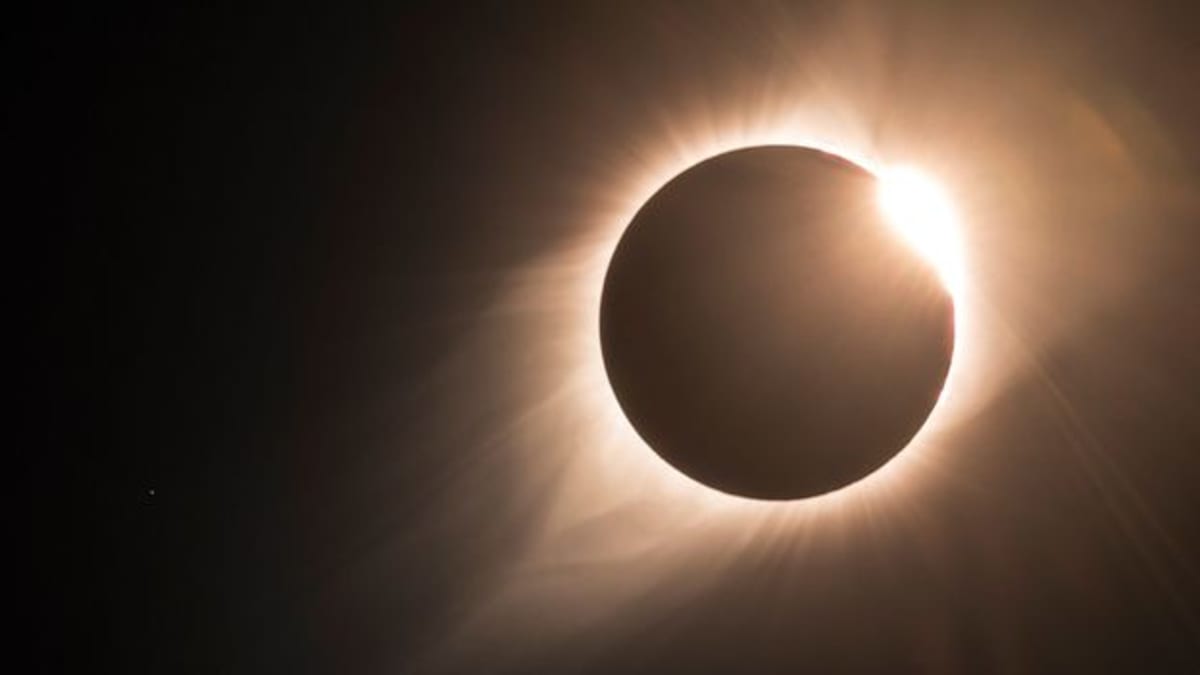
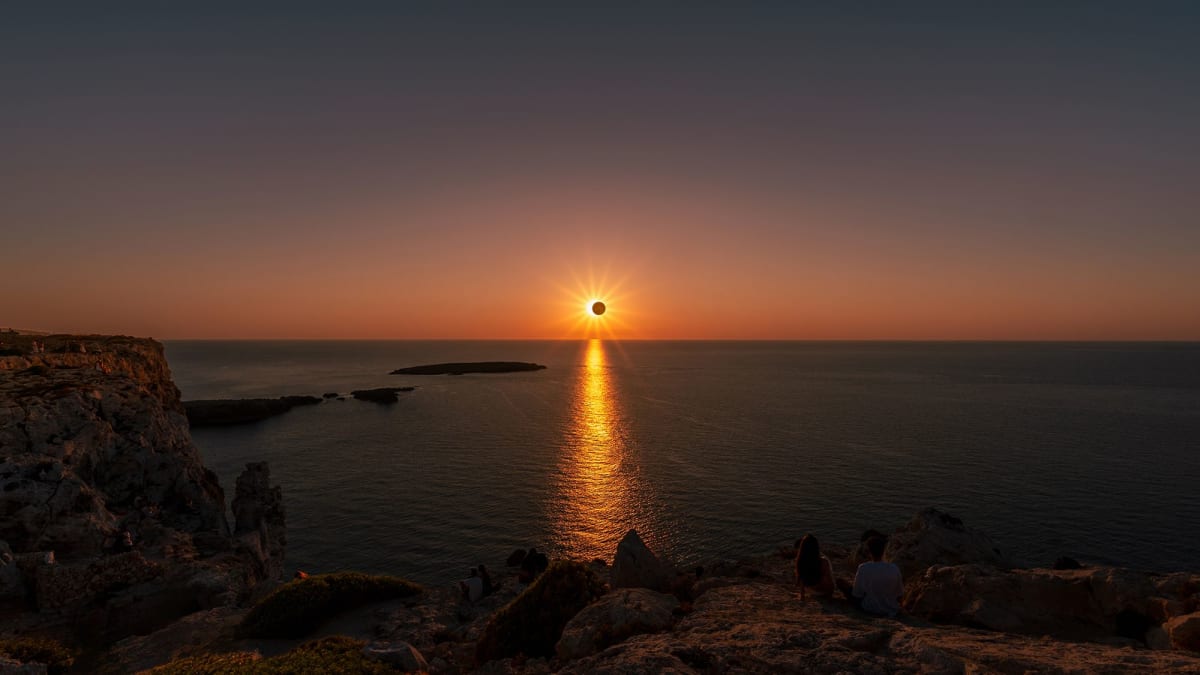
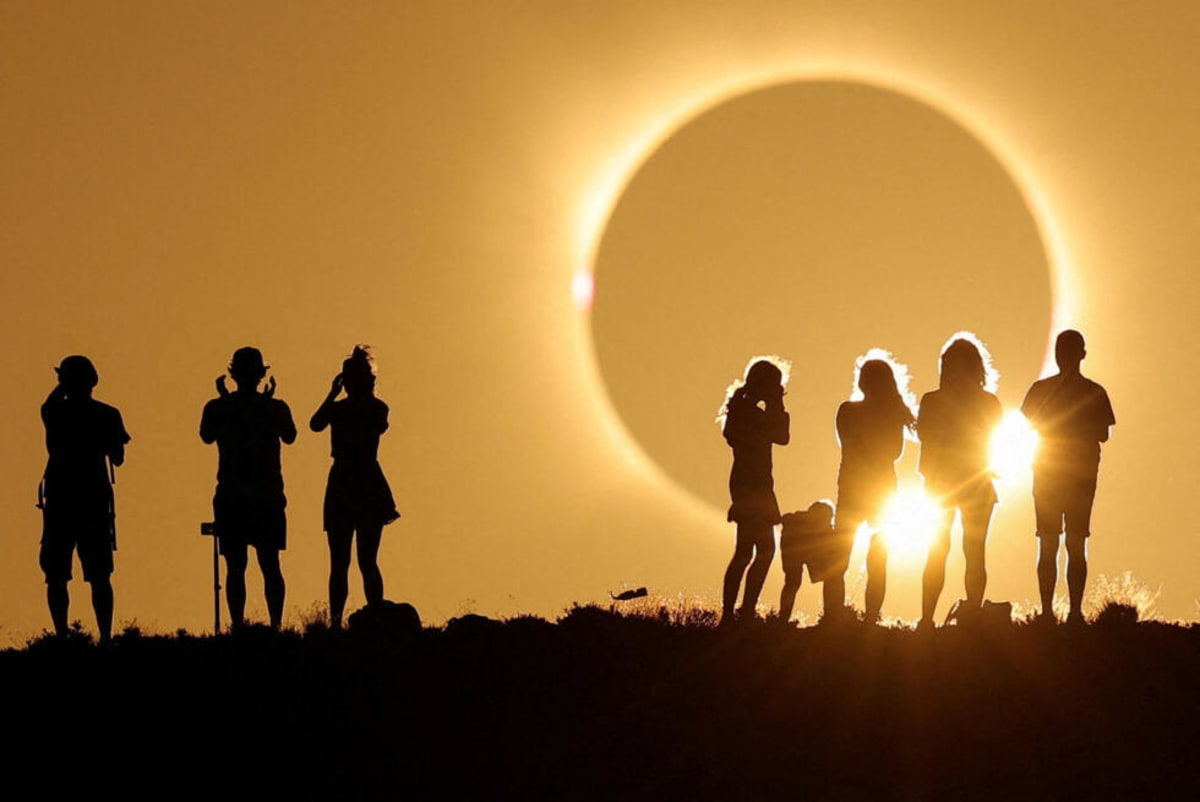
The moon's shadow traced a spectacular path across Europe, creating a total eclipse visible from Spain while much of the rest of the continent saw a partial eclipse. In Teruel, Spain, observers at the Javalambre Astrophysical Observatory watched the moon completely cover the sun, revealing the sun's glowing corona in a sight that won't be visible from Europe again for years.
The event brought people together in unexpected ways. Beachgoers along Italy's coast near Rome stopped to watch the afternoon light briefly dim. Athletes at the European Championships in Birmingham paused between events to glimpse the celestial show.
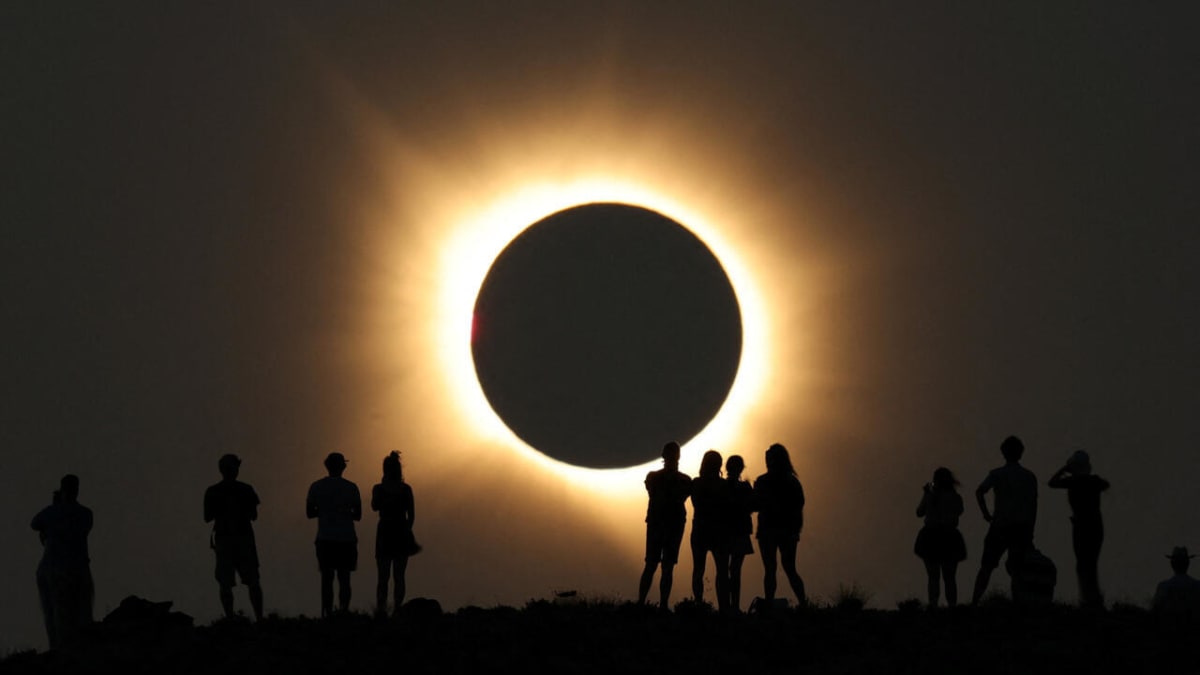
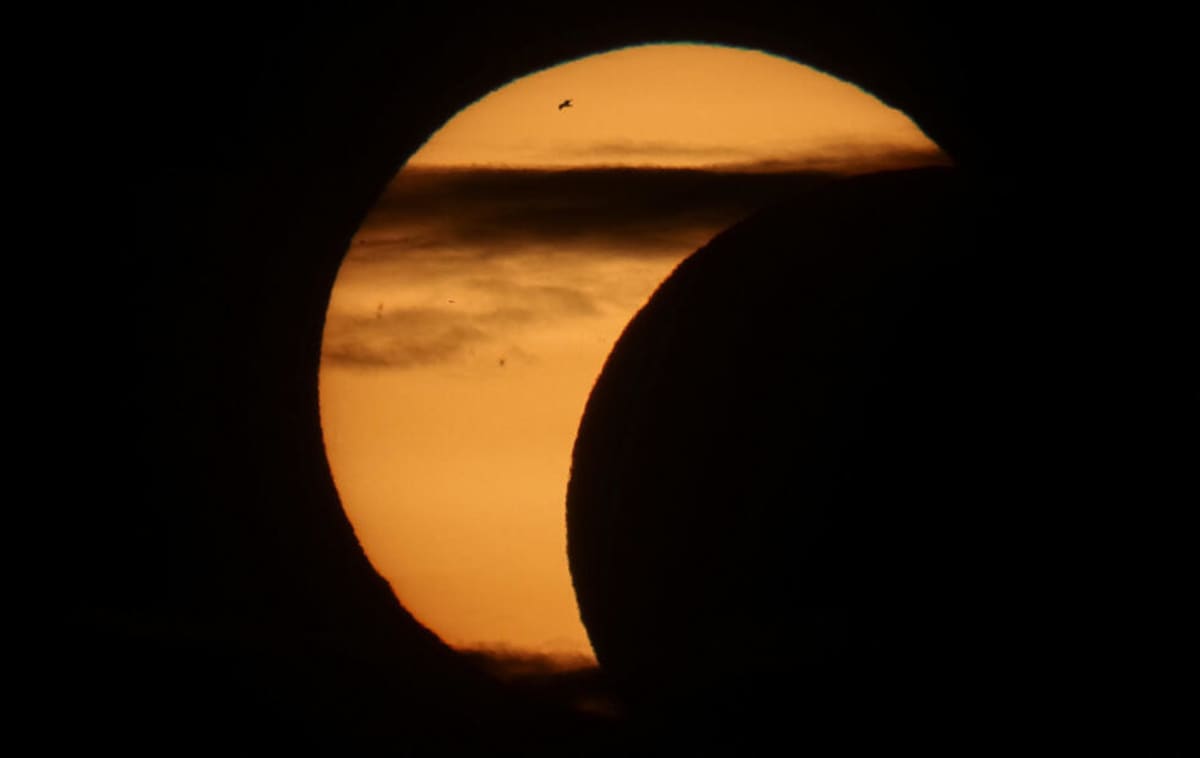
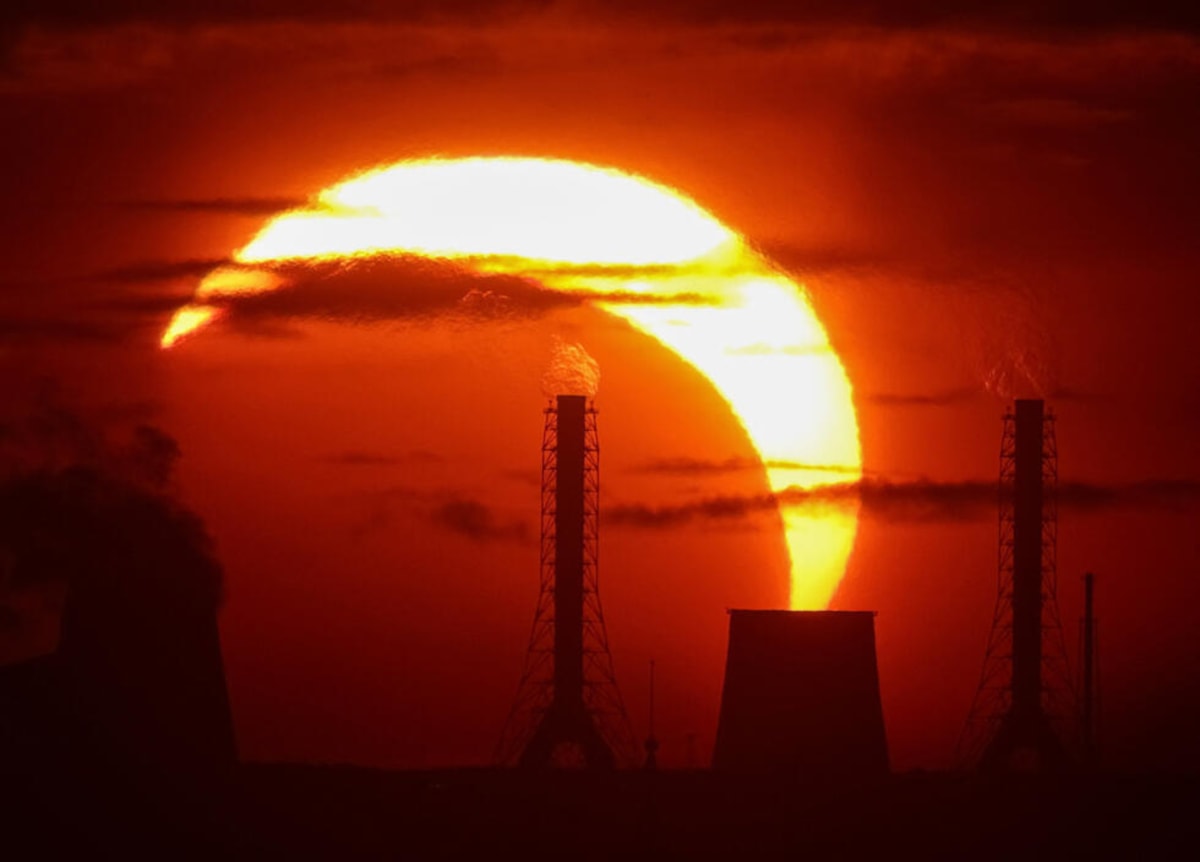
In Munich's Olympic Park, crowds gathered with special eclipse glasses to share the experience. Similar scenes played out across London's Northala Fields, where families spread blankets and looked skyward together. Even in St. Petersburg, Russia, where the eclipse was only partial, residents stopped to photograph the crescent sun against their city's industrial skyline.
The total eclipse in Spain lasted just a few minutes, but it represented months of anticipation and planning for astronomy enthusiasts who traveled specifically to see it. The Javalambre Observatory, already a hub for astronomical research, became a gathering point for scientists and sky watchers alike.
Why This Inspires
In an age of digital connection, the eclipse reminded us that some experiences still bring us together in physical space. No screen could replicate the collective gasp as totality began, or the spontaneous applause that erupted when the sun's corona appeared.
The event also showcased how curiosity about our universe transcends borders and backgrounds. From professional astronomers with high-tech equipment to children with homemade viewers, everyone looked up at the same moment, united by wonder.
These rare astronomical events remind us that we share one planet orbiting one star. For a few precious minutes, differences faded as millions witnessed the same cosmic dance overhead, a powerful reminder of our common home and shared humanity.
The next total solar eclipse visible from parts of Europe won't occur until 2027, but this one left millions with memories to last a lifetime.
More Images
Based on reporting by France 24 English
This story was written by BrightWire based on verified news reports.
Spread the positivity!
Share this good news with someone who needs it