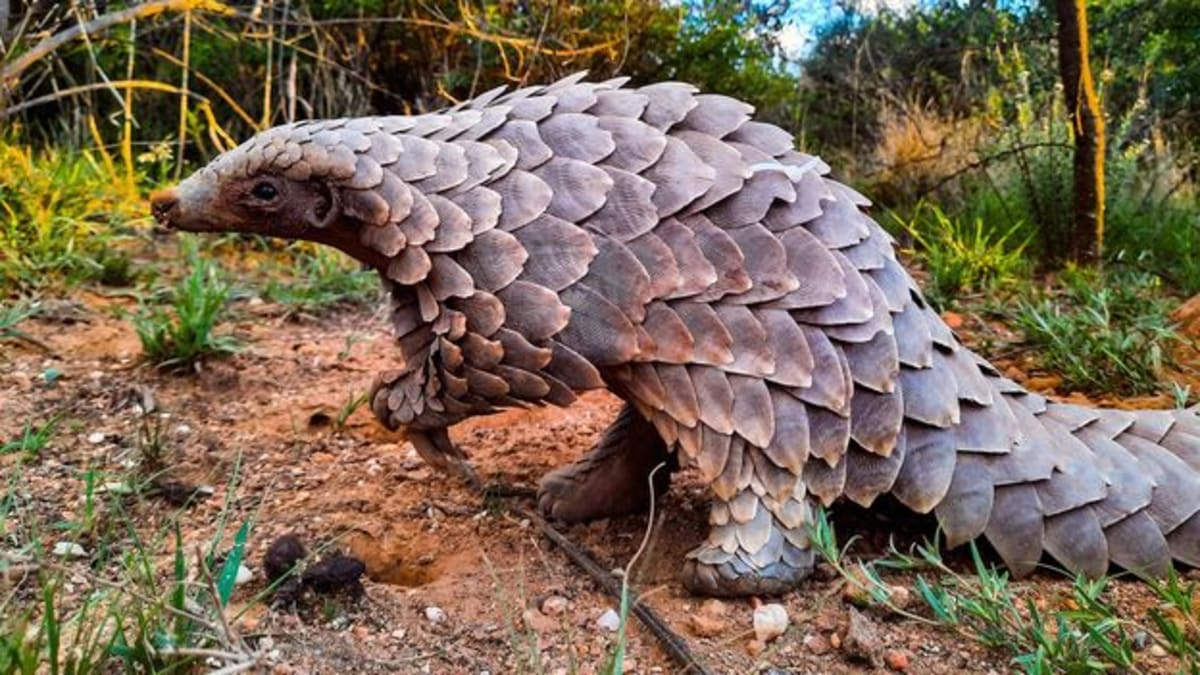
Trafficked Pangolin Pup Stevie Thrives After Wild Release
A three-month-old pangolin rescued from traffickers in Johannesburg received six months of intensive care before successfully returning to the wild. His story shows how dedicated rehabilitation efforts are saving the world's most trafficked mammal.
When police found three-month-old Stevie curled up in a cardboard box with a cabbage leaf, the tiny pangolin pup should have been with his mother. Instead, he'd become another victim in the illegal wildlife trade that has pushed over a million pangolins into black markets since 2000.
Stevie's rescue in 2021 came during a multi-day sting operation in Johannesburg, South Africa. Police officer Steven Koen helped catch an elusive trafficker trying to sell the pup, and the baby pangolin was named in his honor.
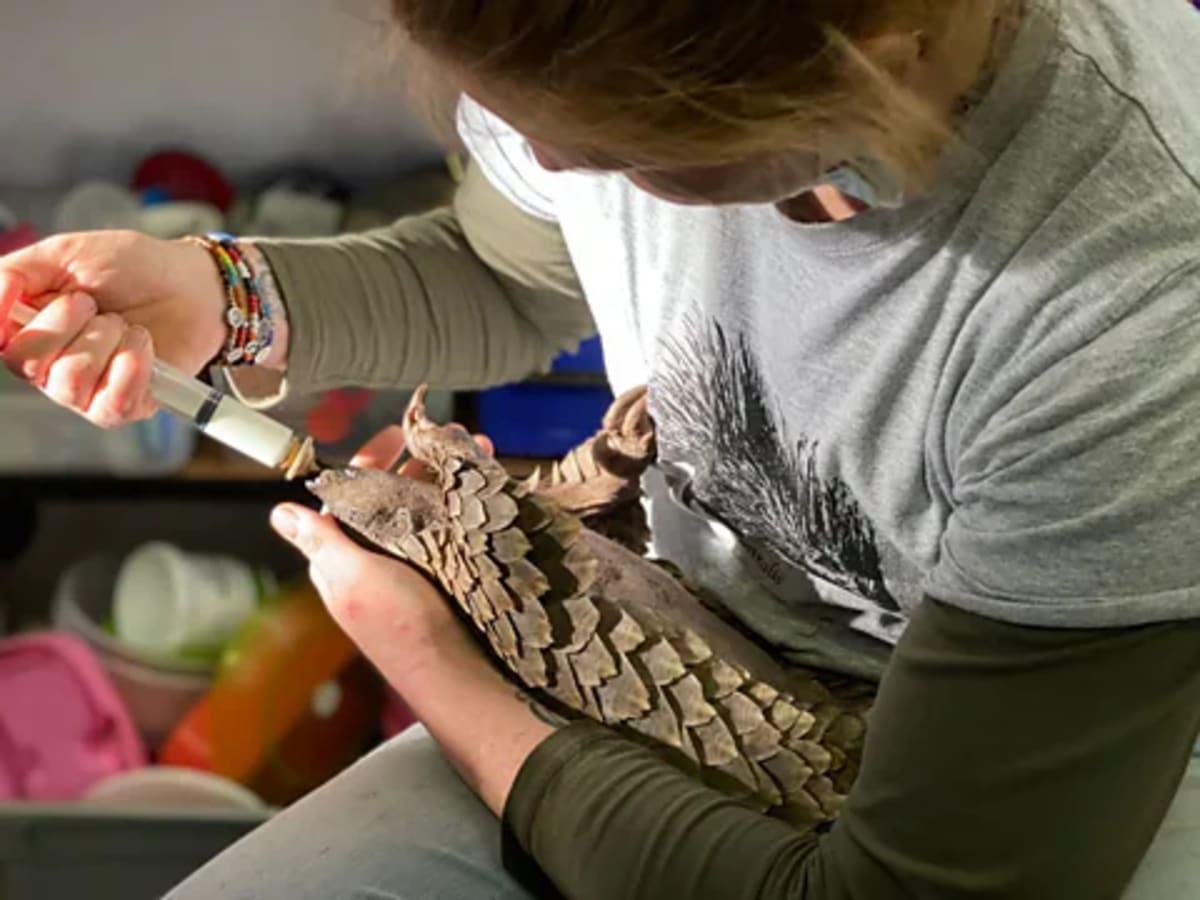
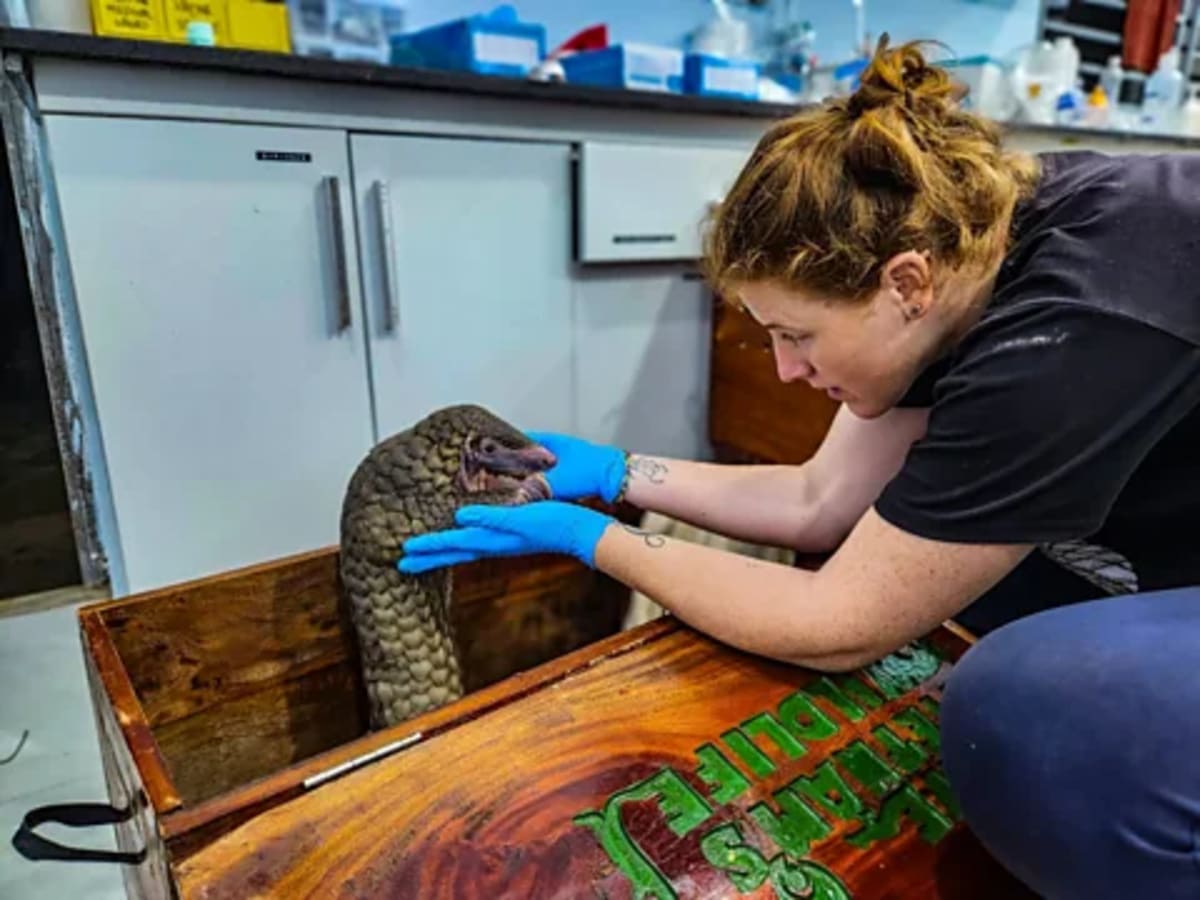
What happened next shows just how much work goes into saving these scaly mammals. Specialist veterinarian Kelsey Skinner spent six months providing round-the-clock care, feeding Stevie cat milk formula and teaching him to forage for ants and termites naturally.
The odds weren't in his favor. Pangolins are notoriously difficult to rehabilitate because they don't fare well in captivity and trafficked ones often arrive dehydrated, injured, and psychologically compromised.
Stevie had been stuffed in a car boot with no food or water. Skinner immediately started him on fluid therapy, immune boosters, and medical checks to address his condition.
The Ripple Effect
Stevie successfully returned to the wild in 2022, and he's now thriving in his natural habitat. His recovery represents a growing movement across South Africa, where law enforcement and nonprofits like the African Pangolin Working Group are rescuing pangolins from traffickers.
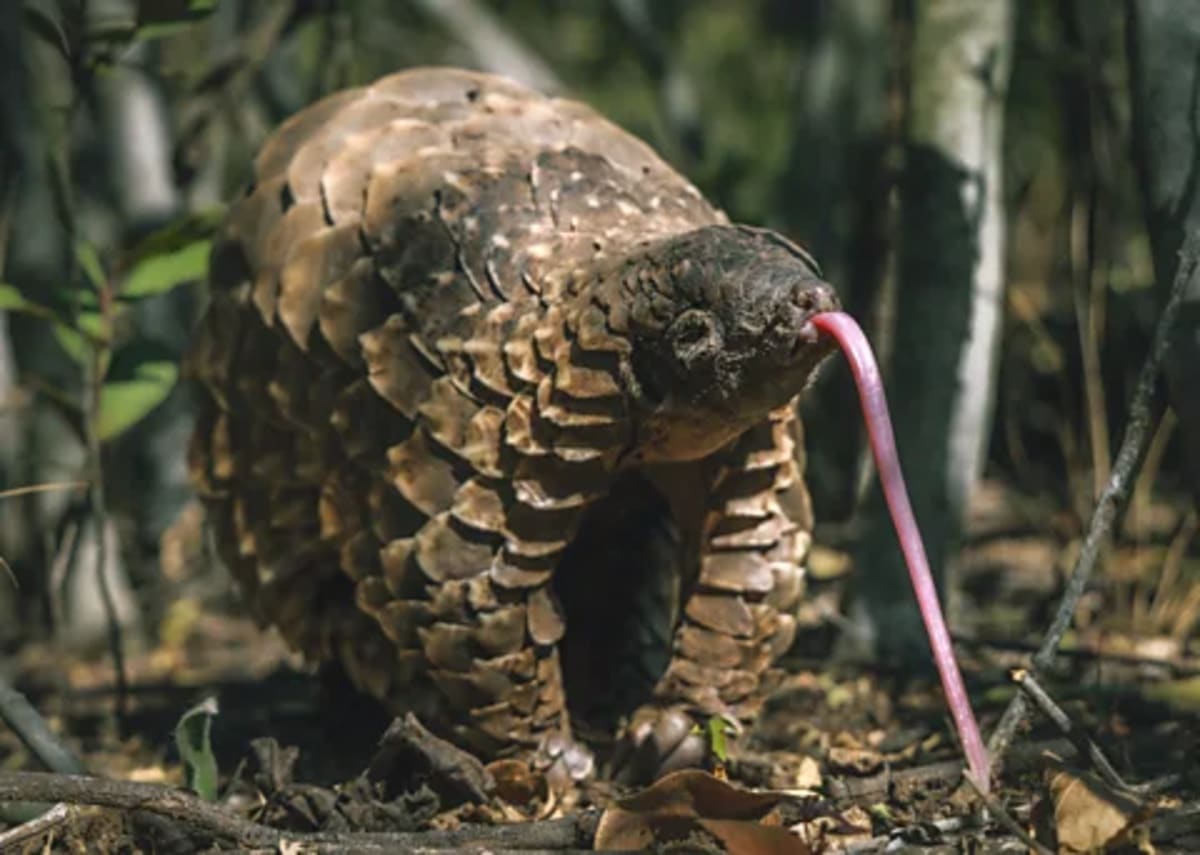
About 80% of the Temminck's pangolins rescued in South Africa are still alive when found. Each successful rehabilitation teaches specialists more about how to save these overlooked creatures.
The effort matters because pangolins have become the heart of illegal wildlife trafficking, one of the world's largest organized crime sectors. All four African pangolin species now face extinction from trafficking, habitat loss, and hunting.
South Africa has become both a major source and hub for the illegal pangolin trade out of Africa. As Asian pangolins have been pushed to the brink, traffickers have turned to African species to supply demand for traditional medicine and fashion markets.
Alexis Kriel, who co-leads the African Pangolin Working Group, admits they can only save a small fraction of pangolins caught in the illegal trade. But those victories keep the team motivated.
Every pangolin returned to the wild is one more individual that can help conserve the species.
More Images
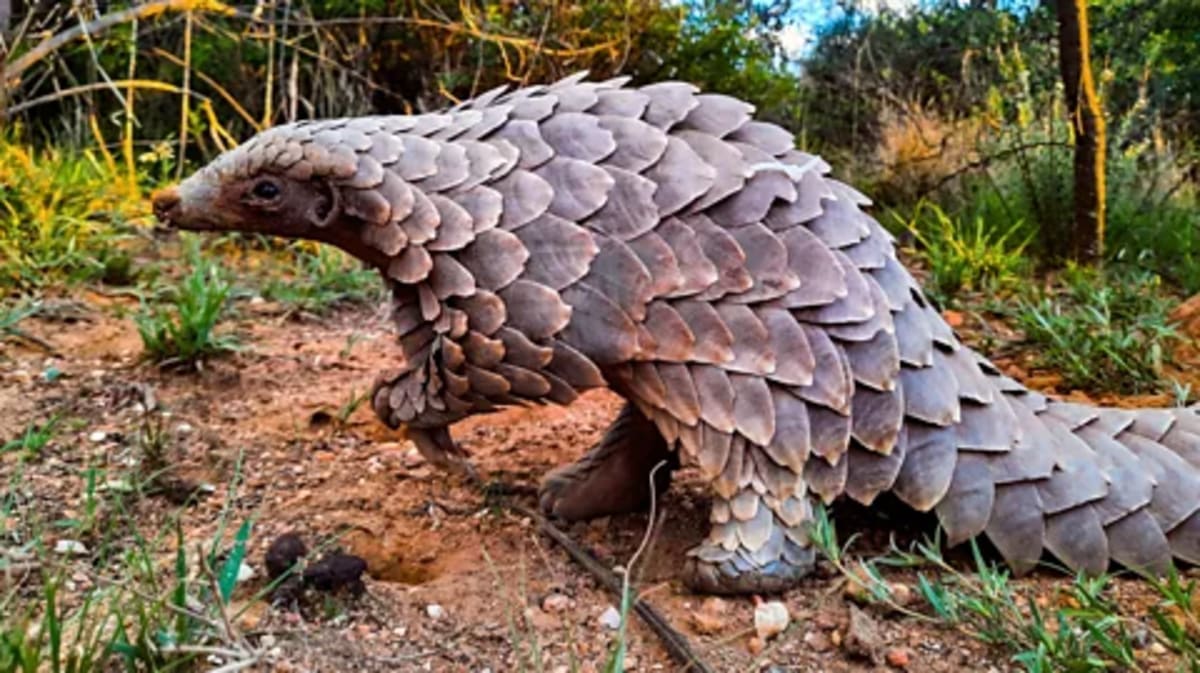
Based on reporting by BBC Future
This story was written by BrightWire based on verified news reports.
Spread the positivity!
Share this good news with someone who needs it