Tunisia Approves 455 MW Solar Power in Oversubscribed Bid
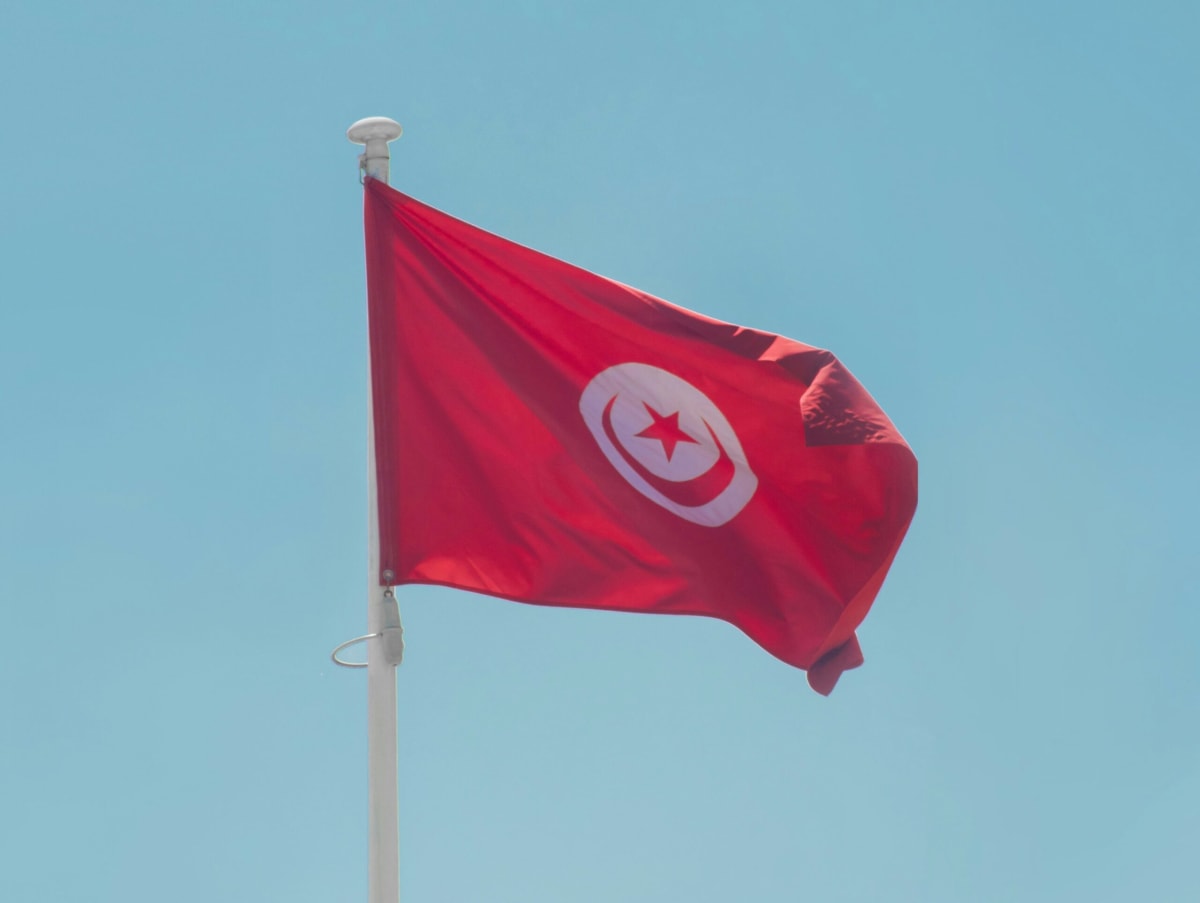
Tunisia just greenlit 309 solar projects totaling 455 MW of clean energy, more than double what officials originally planned. The program gives small businesses and local investors a way to power the nation's grid while earning steady income.
Tunisia is lighting up its renewable energy future with a massive solar expansion that exceeded all expectations.
The North African nation's Ministry of Industry, Mines and Energy just approved 309 solar projects with a combined capacity of 455 MW. That's more than twice the 200 MW officials originally sought, showing huge appetite for clean energy investment.
The winning projects range from small 1 MW installations to larger 10 MW plants. Most are on the smaller side, with 187 projects at 1 MW and 119 at 2 MW, designed specifically for small and medium businesses, landowners, and local investors who want in on the solar revolution.
These aren't rooftop panels for personal use. Every watt generated will flow directly into Tunisia's national grid through long-term contracts with STEG, the state electricity company. That means stable, predictable income for investors while powering homes and businesses across the country.
The program offers fair compensation based on project size. Smaller 1 MW plants earn about 7.4 euro cents per kilowatt hour, while larger projects between 2 MW and 10 MW earn around 4.7 cents. It's enough to make solar economically viable for everyday investors, not just energy giants.
This marks Tunisia's sixth solar licensing round, and momentum keeps building. The previous round in 2023 approved 186 projects totaling 288 MW, meaning solar capacity under this program has nearly doubled in just one year.
The Ripple Effect
Tunisia's approach shows how smart policy can democratize clean energy. By creating a framework specifically for smaller players, the country is spreading both the profits and the progress beyond corporate boardrooms.
Local landowners can lease unused property for solar farms. Small business owners can diversify income streams. Regional investors can back tangible projects in their communities. Meanwhile, the grid gets cleaner, more distributed power that reduces reliance on imported fossil fuels.
This program sits alongside two other renewable frameworks in Tunisia: one for massive utility-scale projects and another for businesses generating their own power. Together, they create multiple pathways for anyone wanting to participate in the energy transition.
The model could inspire other developing nations wrestling with energy security and climate goals simultaneously. Tunisia proves you don't need to choose between local economic opportunity and environmental progress.
With over 750 MW of small-scale solar now approved in just two rounds, Tunisia's renewable future is getting brighter by the megawatt.
More Images


Based on reporting by PV Magazine
This story was written by BrightWire based on verified news reports.
Spread the positivity!
Share this good news with someone who needs it