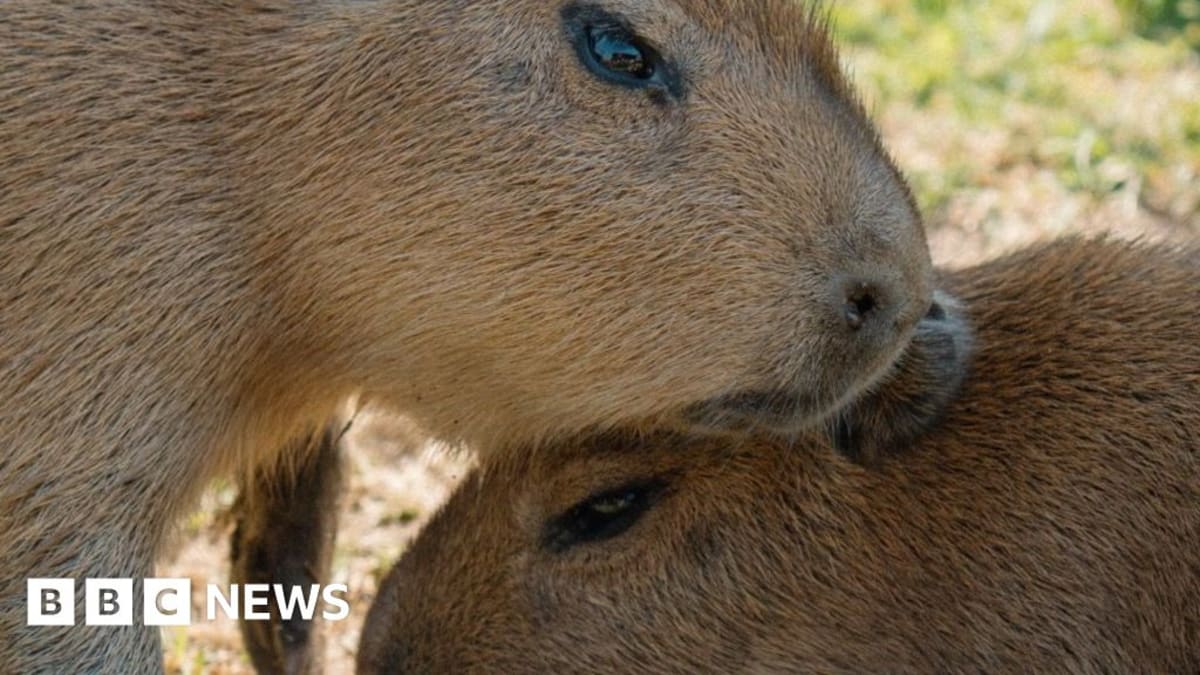
Two Capybara Pups Born at Longleat Safari Park
England's Longleat Safari Park welcomed two adorable capybara pups, delighting visitors and boosting conservation efforts for the world's largest rodent species. The births mark a joyful milestone for the park's beloved South American residents.
Two tiny capybara pups have arrived at Longleat Safari Park in Wiltshire, bringing smiles to visitors and keepers alike. The fluffy newborns join the park's thriving capybara family, adding to the collection of gentle giants that have charmed guests for years.
Capybaras are the world's largest rodents, native to South America, where they live in groups near water. These social, semi-aquatic animals can weigh up to 140 pounds as adults, but the new pups arrived small enough to fit in two hands.
The births represent careful work by Longleat's animal care team, who monitor the health and wellbeing of every creature in their care. Capybaras are not endangered, but zoos and safari parks play important roles in educating visitors about South American wildlife and ecosystems.
Baby capybaras are born fully furred and can walk within hours of birth. They're also strong swimmers from day one, able to dive underwater with their parents to stay cool and safe.
Sunny's Take
These pups arrived at the perfect time for families planning spring visits to Longleat. Watching baby animals explore their world reminds us of nature's endless capacity for new beginnings and joy.
Capybaras have become internet sensations in recent years, beloved for their calm demeanor and friendships with other species. At Longleat, visitors often spot them lounging peacefully or taking family swims together.
The park's capybara habitat includes pools, grassy areas, and plenty of space for the growing family to roam. Keepers report both pups are healthy, active, and already showing the gentle personality capybaras are famous for.
Longleat continues its 50-year tradition of bringing wildlife experiences to British families while supporting conservation education. These newest arrivals will grow up as ambassadors for their species, teaching thousands of visitors about South American ecosystems.
Two more reasons to smile and visit Longleat this spring.
More Images



Based on reporting by BBC Science
This story was written by BrightWire based on verified news reports.
Spread the positivity!
Share this good news with someone who needs it