Two Spacecraft Reach Mercury After 8-Year Journey
After traveling through space since 2018, two spacecraft will finally begin exploring Mercury's mysteries in 2027. The BepiColombo mission promises to unlock secrets about our solar system's smallest and least-explored planet.
Mercury, the smallest planet in our solar system, is about to get the scientific attention it deserves after decades of mystery.
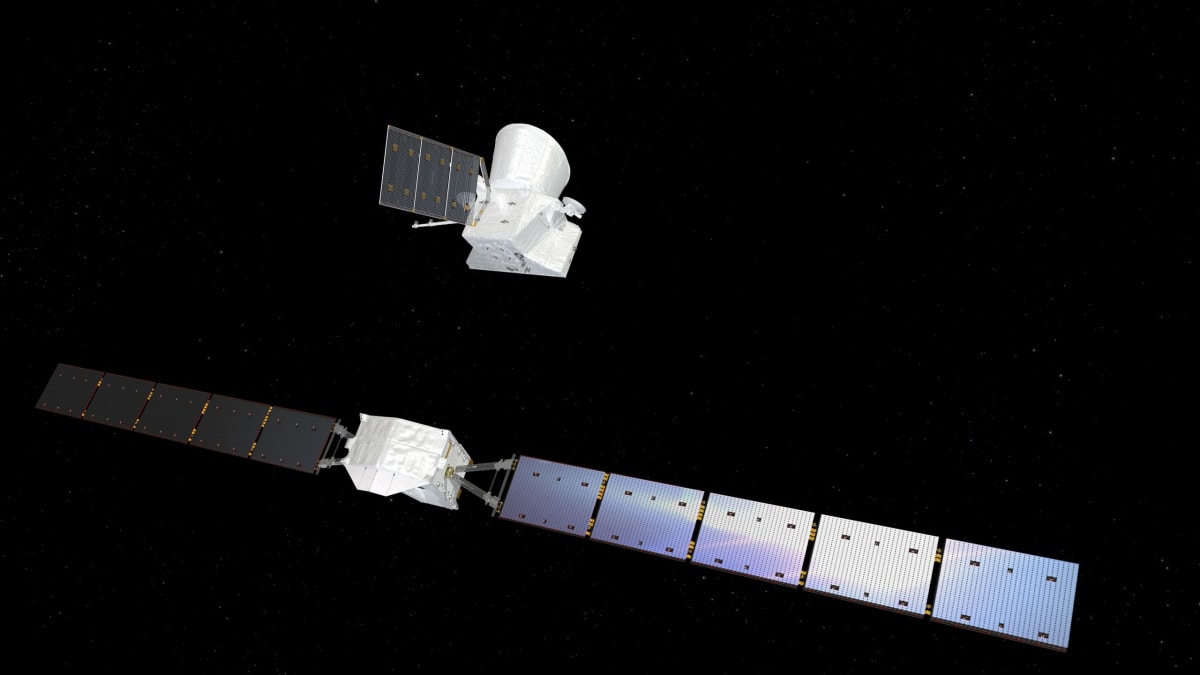
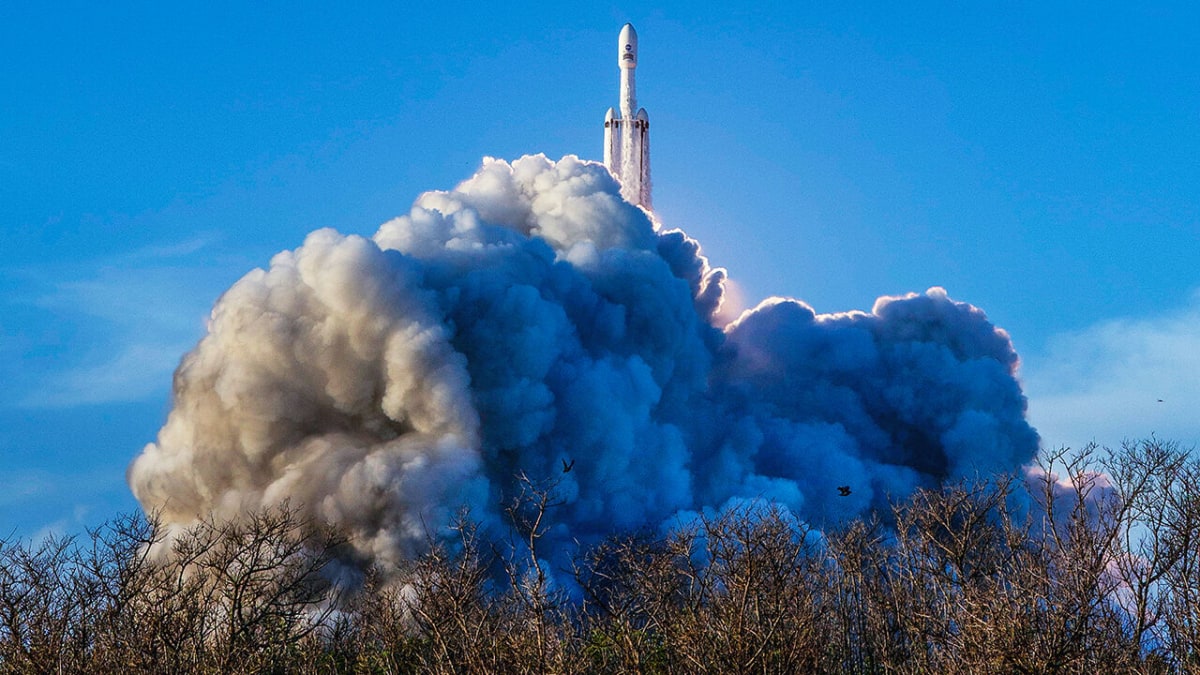
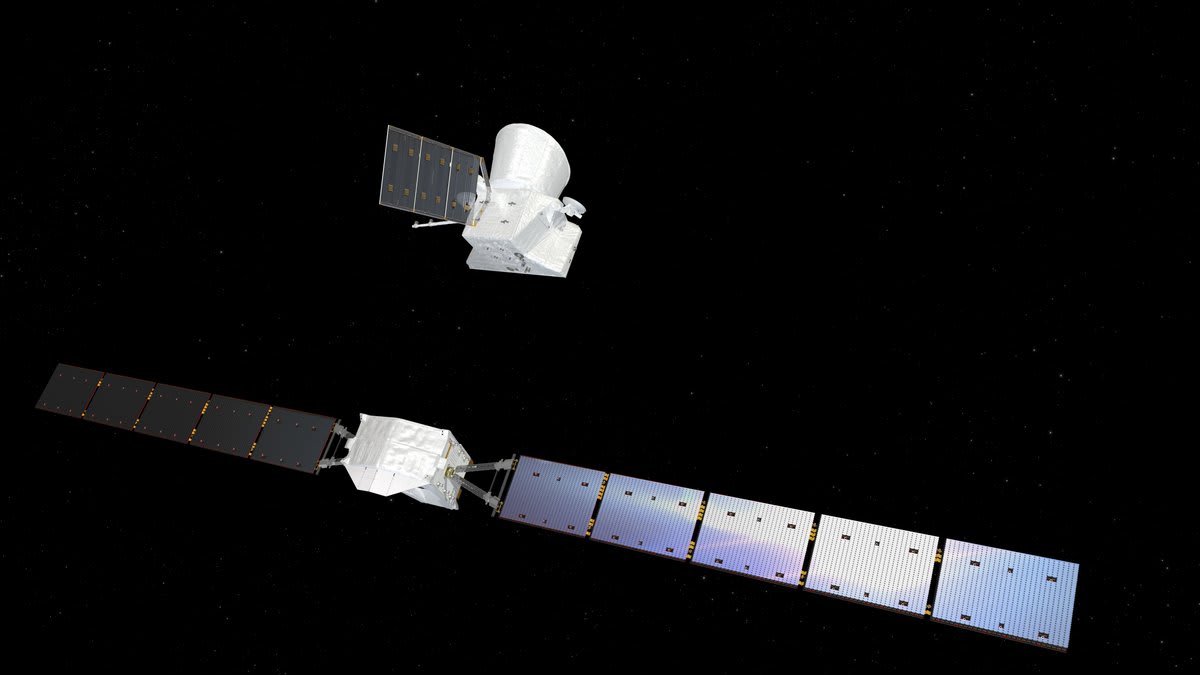
The BepiColombo mission, a collaboration between the European Space Agency and Japan's space program, launched in October 2018 with an ambitious goal. Two spacecraft have been traveling together through the inner solar system, and they're finally preparing to separate and start their real work studying Mercury up close.
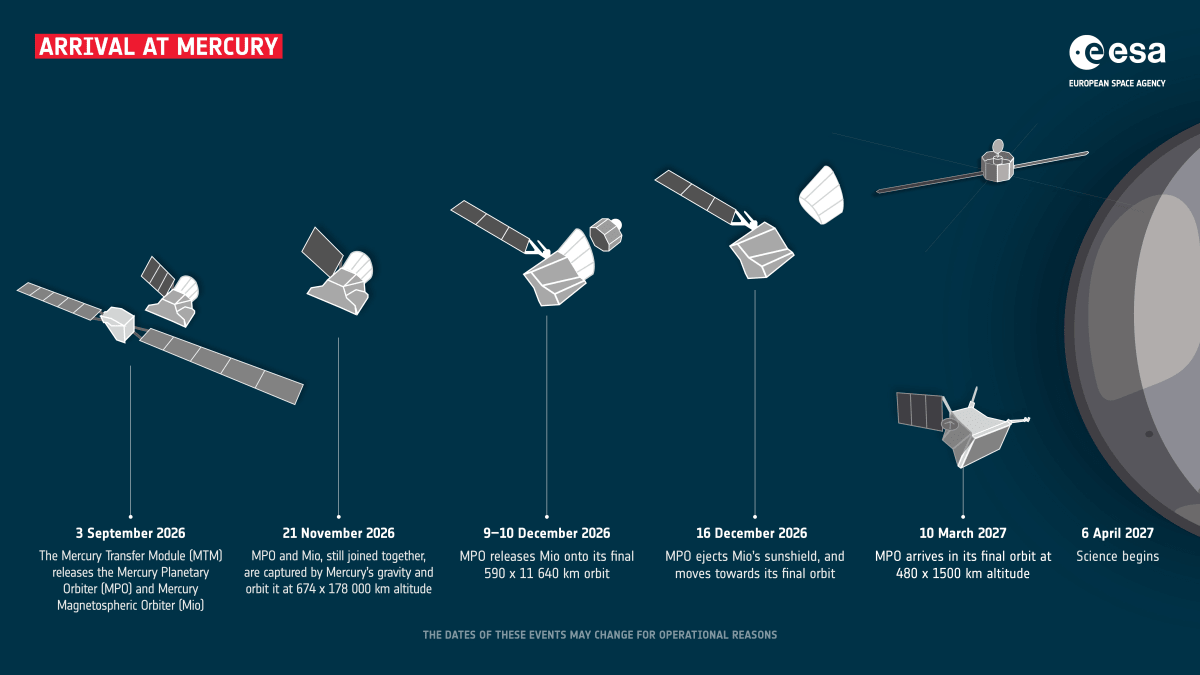
By April 2027, both spacecraft will be independently gathering data about the tiny world that's just over a third the width of Earth. The European Mercury Planetary Orbiter will map the planet's surface, investigate strange features called "hollows," and study how the sun's particles bombard this innermost planet. Meanwhile, Japan's Mio spacecraft will focus on Mercury's magnetic field and its wispy atmosphere.
"I think being able to see new data come out about Mercury is going to be so fantastic," says Rachel Klima, a planetary geologist at Johns Hopkins University. "The planet is just so weird and beautiful and interesting."
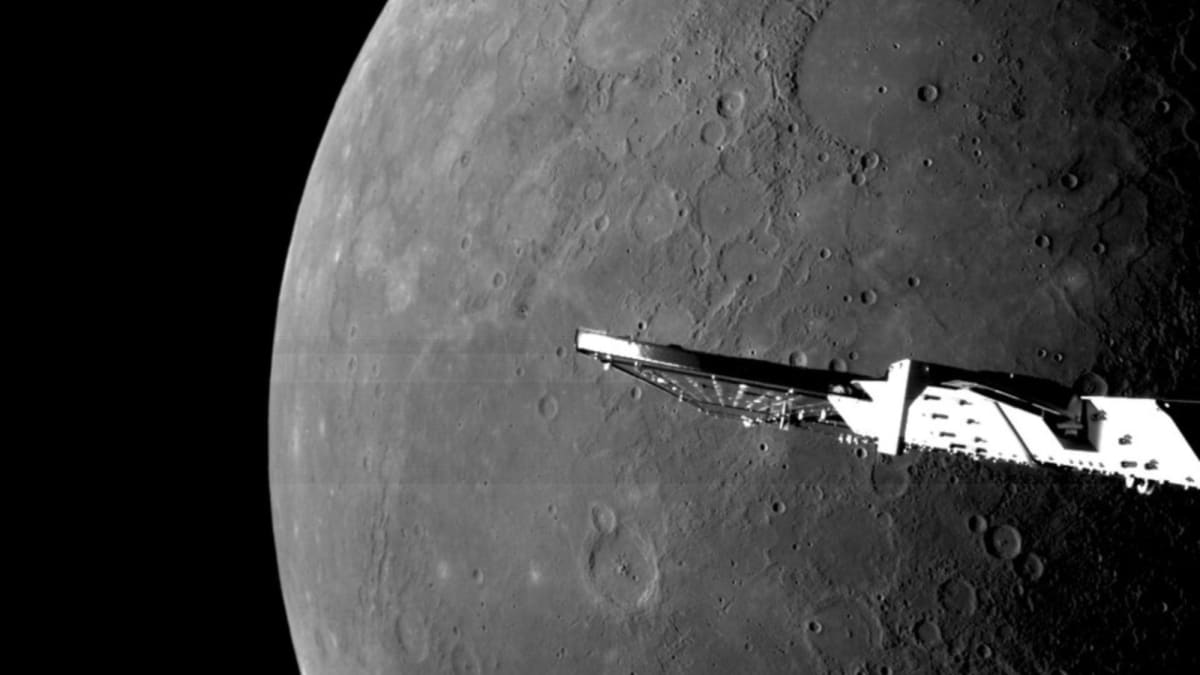
Mercury has only been visited by two missions before now. NASA's Mariner 10 made quick flybys in the 1970s, and the MESSENGER spacecraft orbited from 2011 to 2015. MESSENGER revealed Mercury's complete surface for the first time and discovered puzzling features like bright pits and unexpected elements on the surface.
But even MESSENGER couldn't answer all of Mercury's riddles. Scientists still don't know exactly how the planet formed or why its magnetic field is so oddly positioned.
Why This Inspires
The BepiColombo mission shows what patient, international collaboration can achieve. Eight years of careful navigation through space, with scientists from multiple countries working together toward a shared goal of understanding our cosmic neighborhood better.
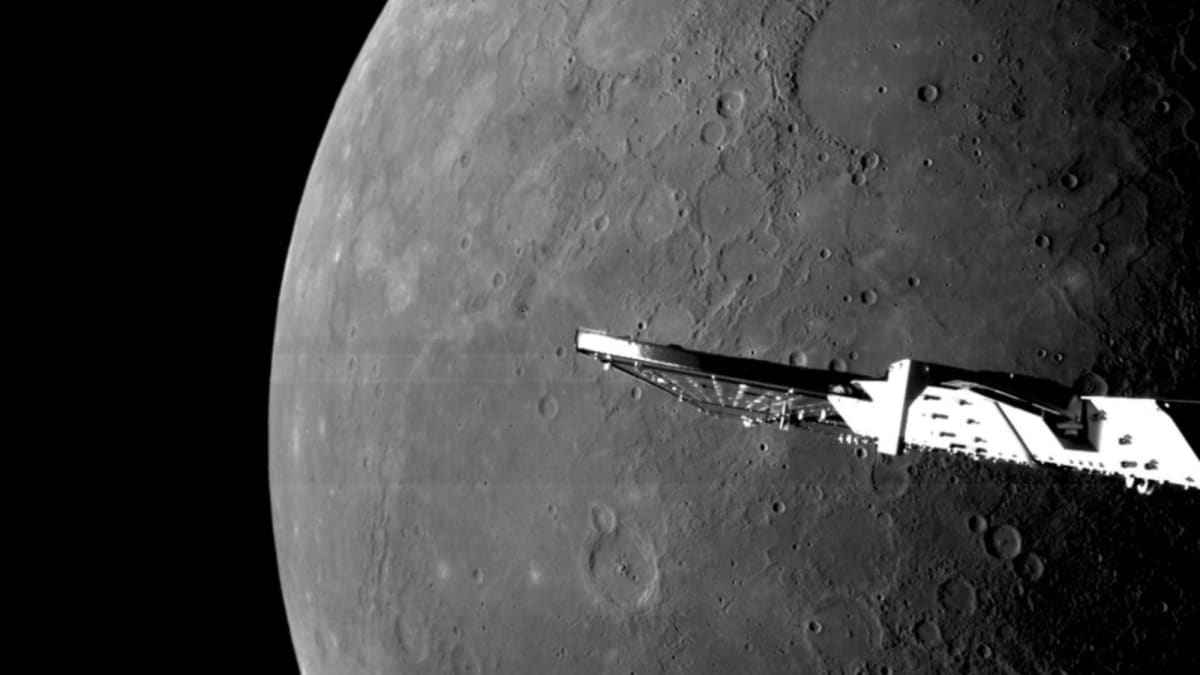
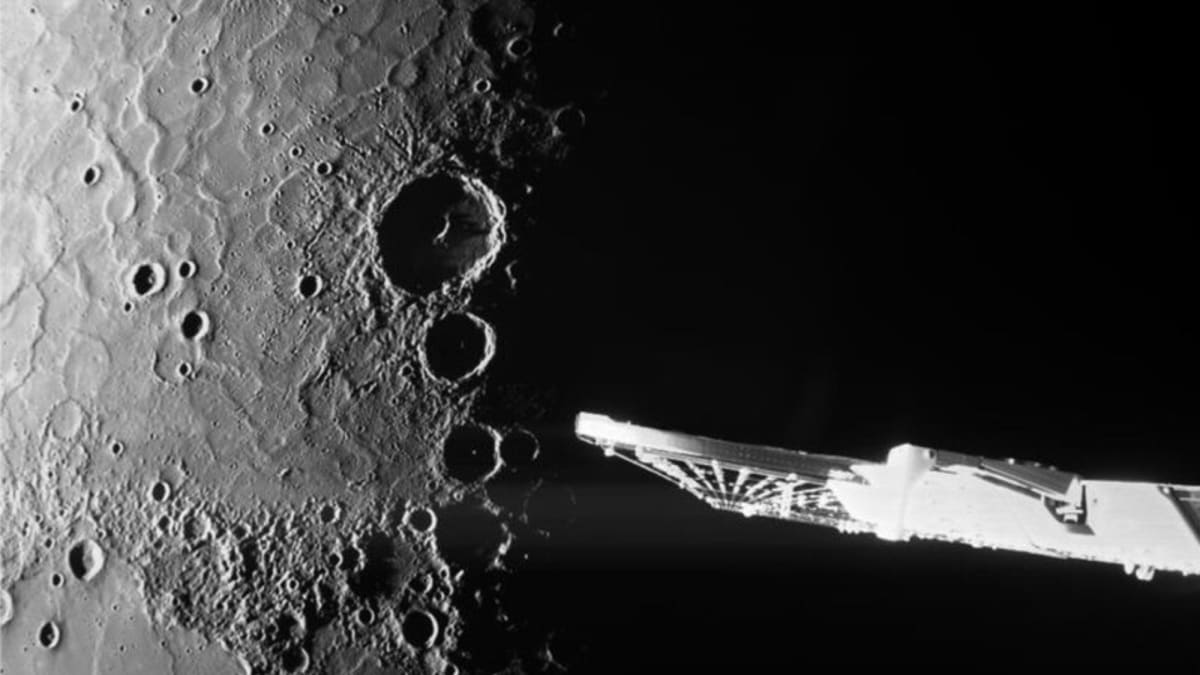
The two spacecraft have already completed six flybys of Mercury, gathering glimpses of data. But the real science begins after they separate in December and settle into their final orbits. Scientists expect an explosion of new discoveries about this overlooked world.
Understanding Mercury could help solve bigger mysteries about how our entire solar system formed. Every answer brings us closer to understanding our place in the universe and how planets like Earth came to exist.
The mission proves that some questions are worth the wait, and the best discoveries often come from looking closely at what we thought we already knew.
More Images

Based on reporting by Google News - Science
This story was written by BrightWire based on verified news reports.
Spread the positivity!
Share this good news with someone who needs it