UAE Cuts Service Wait Times from 1 Week to 10 Minutes with AI
The United Arab Emirates is using artificial intelligence to transform government services, reducing processes that once took a week to just 10 minutes. The country's zero-bureaucracy program is proving that smart technology can make dealing with government faster and easier for everyone.
Imagine finishing a government task in 10 minutes that used to take a full week. That's exactly what's happening right now in the United Arab Emirates, where artificial intelligence is transforming how people interact with public services.
The UAE launched its zero-bureaucracy program in 2023 with a bold goal: eliminate unnecessary red tape from government processes. According to Mohammed Bin Taliah, Chief of Government Services, the results have exceeded expectations.
The changes are visible in everyday situations. Walking through Abu Dhabi or Dubai airports now means no more waiting in long security lines. Smart gates use facial recognition technology to identify travelers instantly, letting them pass through without stopping.
Behind the scenes, AI tools like optical character recognition are handling tasks that once required multiple manual steps and several employees. Forms that needed physical signatures, photocopies, and hand delivery now get processed automatically in minutes.
The technology isn't just about speed. It's redesigning the entire relationship between citizens and their government, making services more accessible to everyone regardless of their schedule or location.
Omar Sultan Al Olama, UAE's Minister of State for Artificial Intelligence, says the country wants to be known not just for innovation but for rapid deployment. The UAE's diversity and flexible governance model let it test new technologies quickly while learning from successes and failures.
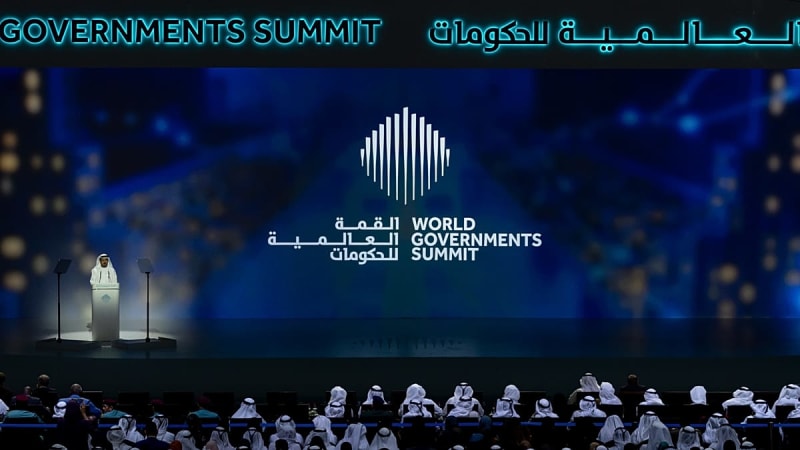
The country recently hosted the World Governments Summit in Dubai, bringing together over 45 heads of state, 600 ministers, and 500 CEOs. The event serves as a neutral platform where countries can share what's working in their own efforts to improve public services.
Al Olama emphasizes that the UAE doesn't prescribe solutions to other nations. Instead, it creates spaces where governments can learn from each other's experiences and adapt approaches that fit their own contexts.
The Ripple Effect
The UAE's success with AI in government services is creating a blueprint that other countries are watching closely. When one nation proves that bureaucracy can be dramatically reduced without sacrificing security or accuracy, it raises expectations globally for what government services should look like.
The World Governments Summit has grown into more than a conference. It's become a testing ground for ideas about digital transformation, showing what's possible when governments prioritize citizen experience over traditional processes.
As countries worldwide struggle with outdated systems and frustrated citizens, the UAE's approach offers a hopeful alternative: technology that actually makes life easier, not more complicated.
The message is simple: if it can work in one place, adapted versions can work everywhere, creating a future where dealing with government becomes the easy part of your day instead of the hardest.
Based on reporting by Euronews
This story was written by BrightWire based on verified news reports.
Spread the positivity!
Share this good news with someone who needs it