UAE Extends Mars Mission to 2028 After Sharing 10TB of Data
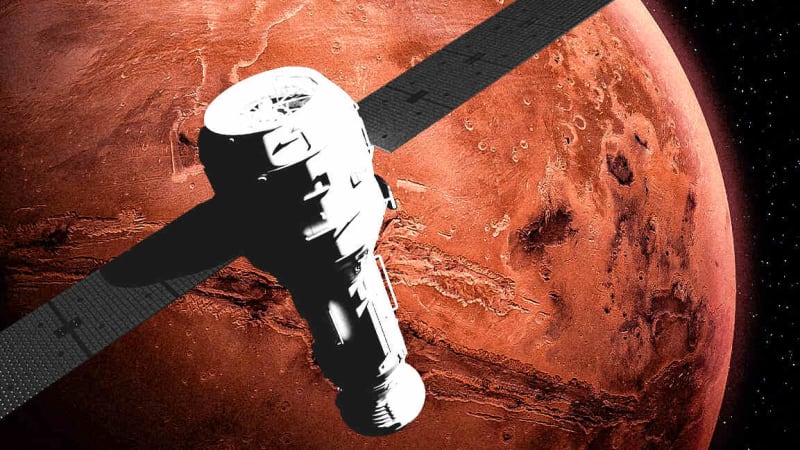
The United Arab Emirates is keeping its Hope spacecraft orbiting Mars for four more years after collecting massive amounts of planetary data. The mission extension proves small nations can make big contributions to space science.
The UAE just announced it's extending its groundbreaking Mars mission through 2028, turning what was already a historic achievement into an even bigger win for space exploration.
The Hope spacecraft, which reached Mars orbit in 2021, has already delivered more than 10 terabytes of data about the Red Planet's atmosphere and climate. That's enough information to help scientists worldwide understand Mars in ways we never could before.
The mission made the UAE only the fifth nation in history to reach Mars. Now, the extension means Hope will continue orbiting the planet, studying seasonal changes across an entire Martian year and capturing data no other mission has collected.
The spacecraft focuses on tracking how dust storms, temperature changes, and water vapor move through the Martian atmosphere. This isn't just about one country's achievement. Scientists from around the world can access the data freely, making it a truly global resource.
The mission launched during the pandemic in 2020, arriving at Mars exactly 50 years after the UAE's formation as a nation. It represented a bold statement that space exploration doesn't belong only to traditional superpowers.
The Ripple Effect
The Hope mission is changing how the Arab world sees science and technology careers. UAE officials report a surge in students choosing STEM fields since the mission launched, with particular interest in aerospace engineering and planetary science.
The extension also strengthens the UAE's position as a serious player in space exploration. The country is already developing lunar missions and building a space economy that could inspire other emerging nations to reach for the stars.
By making all the Mars data publicly available, the UAE is accelerating discoveries that might take decades with restricted information. Researchers studying climate change on Earth can compare patterns with Mars, and astronomers planning future missions have better maps of Martian weather systems.
The mission proves that space exploration thrives on collaboration, not just competition. When countries share knowledge openly, everyone wins.
The Hope spacecraft will keep circling Mars until 2028, sending back discoveries that help us understand not just another planet, but our own.
More Images




Based on reporting by Google News - Uae Innovation
This story was written by BrightWire based on verified news reports.
Spread the positivity!
Share this good news with someone who needs it