UC Riverside Gets $2.5M to Fight Drug-Resistant Malaria
Scientists are turning pine bark and marine sponges into powerful new weapons against malaria and babesiosis, two deadly parasites that are outsmarting current treatments. A new $8 million grant is bringing these nature-inspired medicines closer to saving lives.
Researchers at UC Riverside just received more than $2.5 million to develop breakthrough treatments for two parasites that kill hundreds of thousands of people each year.
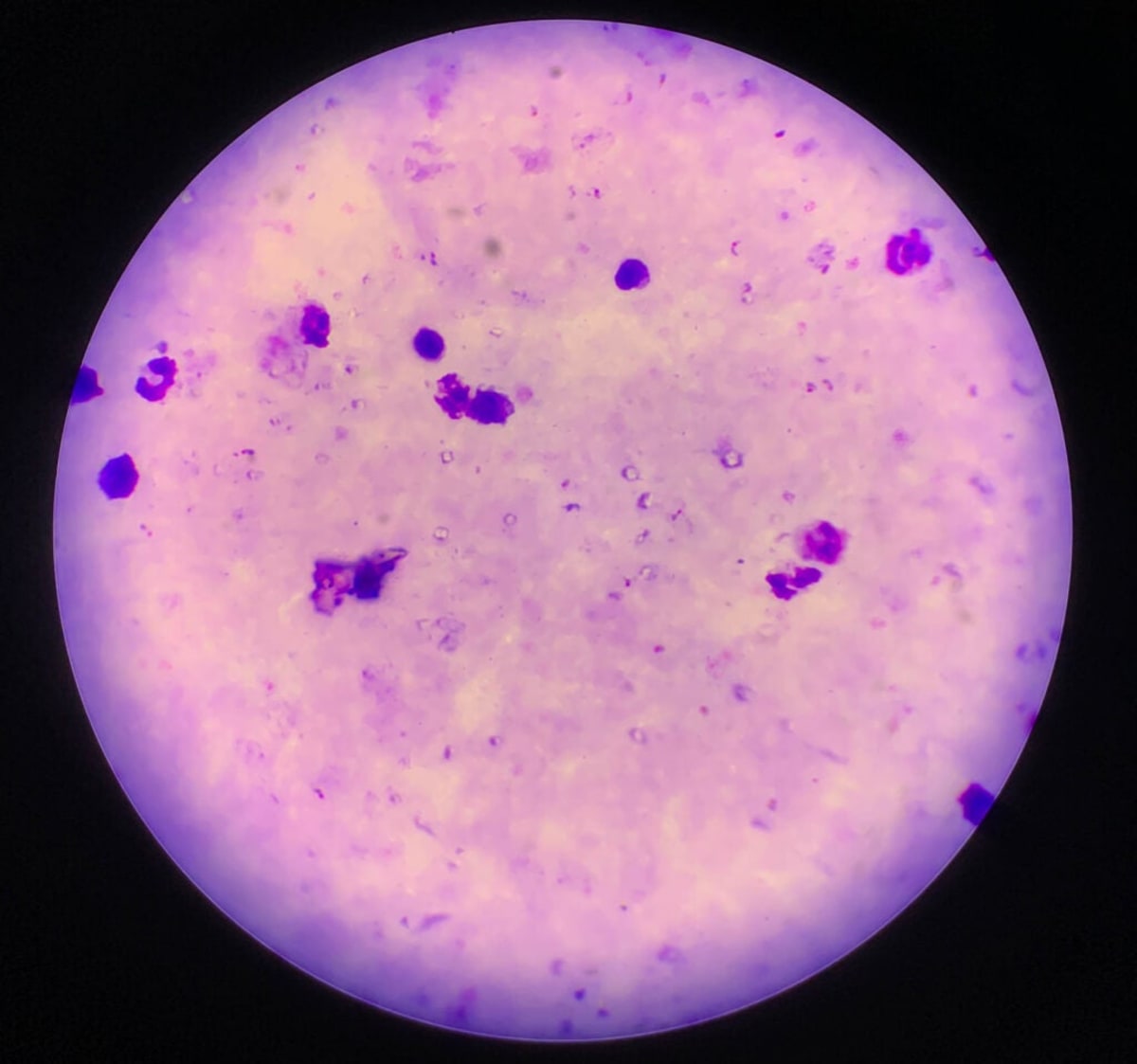
The problem is urgent. Malaria parasites are becoming resistant to existing drugs, and babesiosis, a tick-borne disease spreading across the United States, has no reliable cure. Both invade red blood cells and are running out of treatment options.
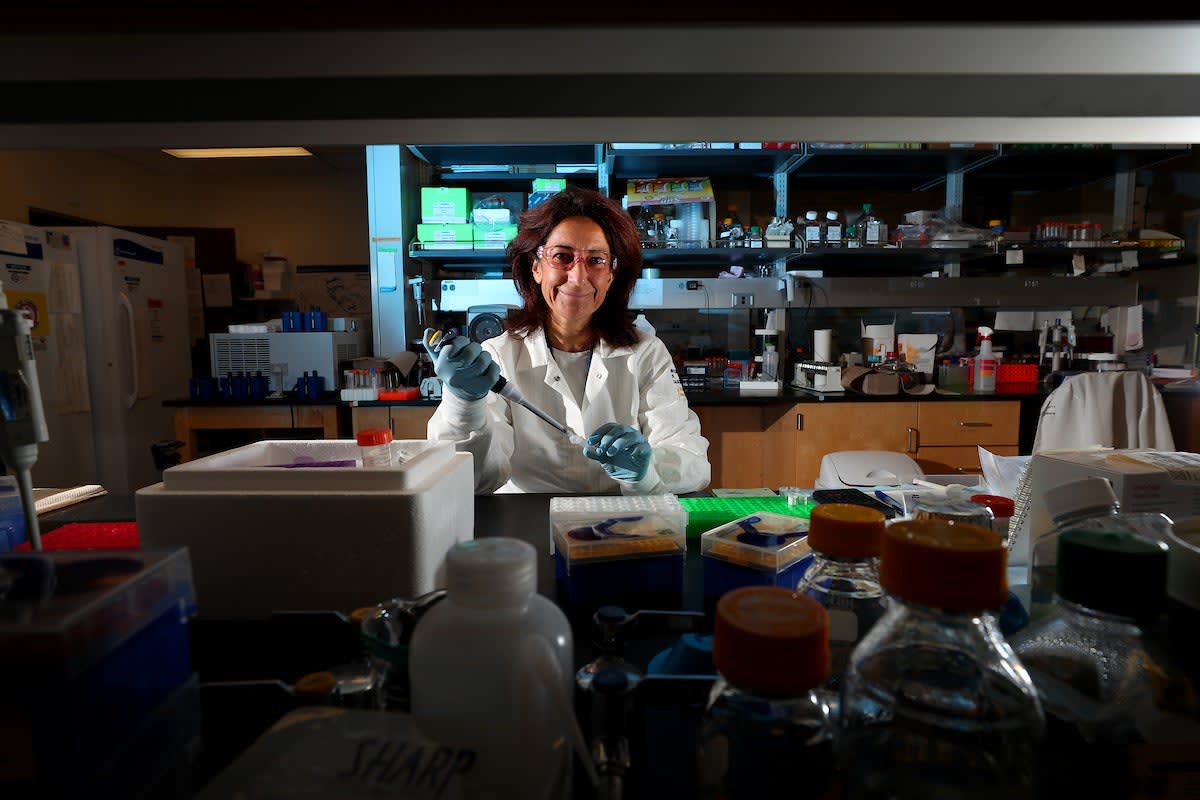
Professor Karine Le Roch and her team are fighting back with an unexpected strategy: transforming compounds found in pine bark and marine sponges into affordable, effective medicines. "We definitely need the next line of defense against these infectious diseases," said Le Roch, who directs UC Riverside's Center for Infectious Disease and Vector Research.
The approach solves a problem that has plagued natural medicine for decades. While nature produces incredibly effective compounds, they're often too complex and expensive to manufacture. The two compound families being developed, leelamine-derived isonitriles from pine bark and pyrroloiminoquinones from marine sponges, are both potent against parasites and simple enough to produce affordably.
Early results show both compounds destroy drug-resistant strains. Even better, they appear to attack the parasites through completely different pathways than current treatments, which could prevent future resistance.
The research brings together three universities and combines expertise in chemistry, genetics, and parasite biology. UC Irvine chemist Christopher Vanderwal will synthesize and optimize the compounds, while Yale's Choukri Ben Mamoun will test them in animal models. Le Roch's laboratory will use advanced biology techniques to understand exactly how the compounds kill parasites at the molecular level.
Over the next five years, the team aims to do more than just eliminate infections. They're designing treatments that could stop transmission entirely, preventing parasites from spreading to new hosts. The ultimate goal is an oral medication that people can take at home.
The Ripple Effect
The implications reach far beyond malaria and babesiosis. Because both diseases belong to the apicomplexan parasite family, these treatments could eventually work against other deadly parasites like Toxoplasma. A single breakthrough could unlock solutions for multiple devastating diseases.
The funding will also train the next generation of scientists, supporting undergraduate and graduate researchers in Le Roch's laboratory as they develop skills in cutting-edge drug development.
"I really want these compounds to move to the next step in preclinical and clinical trials," Le Roch said. For millions facing parasitic diseases with dwindling treatment options, that next step can't come soon enough.
More Images

Based on reporting by Google News - New Treatment
This story was written by BrightWire based on verified news reports.
Spread the positivity!
Share this good news with someone who needs it