UCLA Tests Smarter Chemo for Ovarian Cancer Patients
Two groundbreaking UCLA trials are testing antibody-drug conjugates that deliver chemotherapy directly to ovarian cancer cells, potentially improving outcomes while reducing harsh side effects. The treatments could offer more personalized, effective options for women newly diagnosed with the disease.
Researchers at UCLA are testing a new way to fight ovarian cancer that works like a guided missile, delivering powerful chemotherapy directly to tumor cells while leaving healthy tissue untouched.
The approach uses antibody-drug conjugates, or ADCs, which attach to specific proteins found on cancer cells. Think of them as smart delivery systems that can identify their target, attach to it, and release chemotherapy exactly where it's needed.
Two new clinical trials at UCLA Health's Jonsson Comprehensive Cancer Center are now testing whether these therapies can work even better when used earlier in treatment, right after diagnosis and before surgery. That timing could make all the difference for long-term survival.
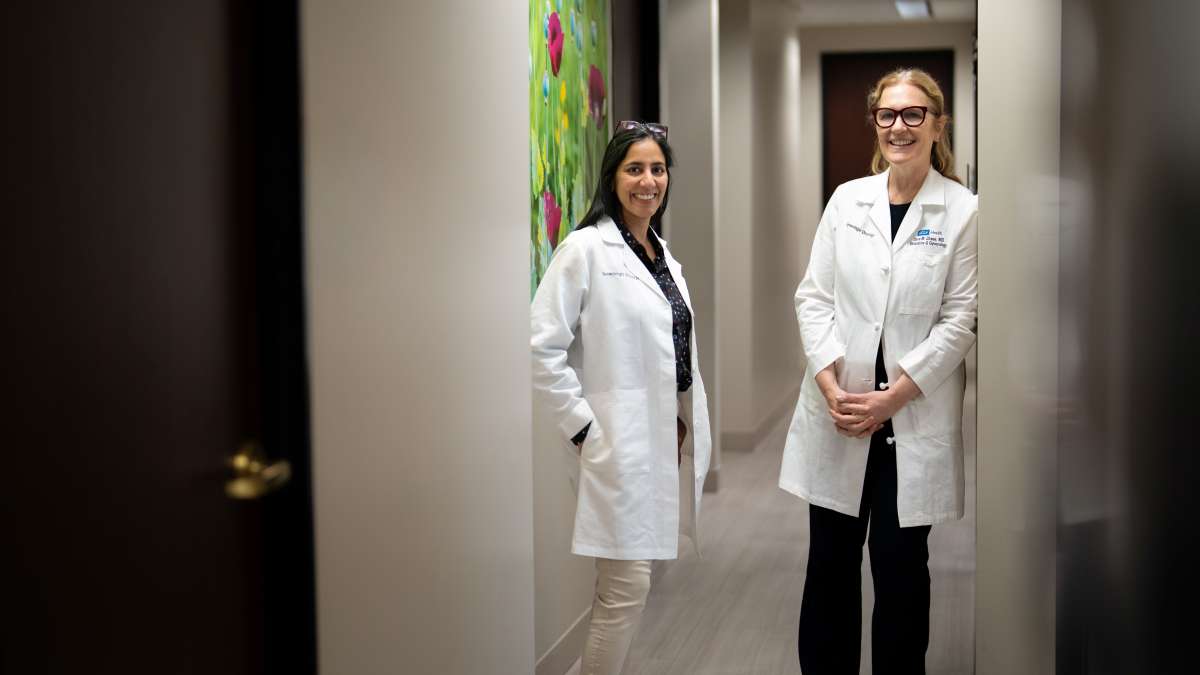
"Our best opportunity to cure patients is in the frontline setting," said Dr. Ritu Salani, who leads one of the trials. "We're looking for ways to make treatment more effective from the very beginning."
The UCLA team helped pioneer this approach for ovarian cancer. In 2022, their research contributed to FDA approval of mirvetuximab soravtansine, the first ADC specifically designed for ovarian cancer. Patients receiving that targeted therapy lived longer than those on conventional chemotherapy and experienced fewer severe side effects.
Now researchers are expanding the strategy. One trial tests a therapy targeting claudin-6, a protein found in about half of ovarian tumors but rarely in healthy tissue. In earlier studies with patients whose cancer had resisted multiple treatments, roughly half saw their tumors shrink.
The second trial builds on the folate receptor approach, which appears in about a third of ovarian cancers. Together, the two trials could offer personalized treatment options to most women newly diagnosed with the disease.
Dr. Dana Chase, who leads the folate receptor trial, emphasized the shift away from generic treatment. "The goal is to move beyond a one-size-fits-all approach and offer more precise options that can improve both effectiveness and quality of life," she said.
The Ripple Effect
The success of these trials could transform how ovarian cancer is treated from the moment of diagnosis. By matching treatments to each tumor's specific biology, doctors can offer hope for better outcomes with fewer of the debilitating side effects that have long accompanied cancer treatment.
Medical oncologist Dr. Gottfried Konecny, who helped develop the therapies, sees enormous potential. "If we can translate this higher efficacy into the frontline setting, there's a higher chance, potentially, for a cure."
For the thousands of women diagnosed with ovarian cancer each year, these trials represent something powerful: medicine that's finally getting personal, precise, and more effective right when it matters most.
Based on reporting by Google News - New Treatment
This story was written by BrightWire based on verified news reports.
Spread the positivity!
Share this good news with someone who needs it