Uganda and Tanzania Launch $20B Energy Hub in Tanga
Uganda and Tanzania just signed a groundbreaking agreement to transform Tanga into East Africa's largest energy and industrial hub, potentially attracting over $20 billion in investment. Instead of simply exporting crude oil, the two nations are building refineries, storage facilities, and petrochemical plants that will create thousands of skilled jobs and strengthen the region's energy independence.
Two East African nations just took a giant leap toward building their own prosperity instead of shipping raw resources overseas.
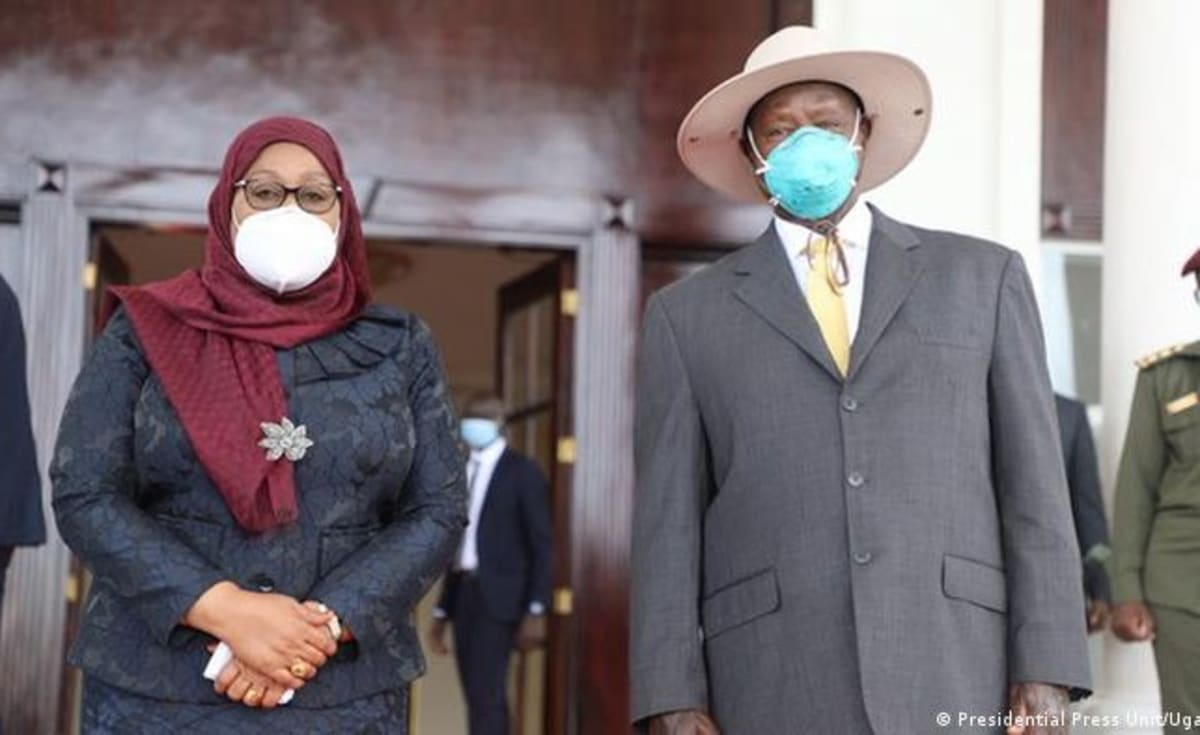
Presidents Yoweri Museveni of Uganda and Samia Suluhu Hassan of Tanzania signed a historic agreement Thursday to develop the Tanga Regional Energy Hub along Tanzania's Indian Ocean coast. The ambitious project could attract more than $20 billion in investment, making it one of Sub-Saharan Africa's largest integrated energy developments.
The hub represents a fundamental shift in how East Africa approaches its natural resources. Rather than simply pumping crude oil through pipelines for export, the region will now refine petroleum, produce petrochemicals, and build sophisticated energy infrastructure that keeps value and jobs at home.
"EACOP transports molecules. The Tanga Regional Energy Hub transforms those molecules into prosperity," said Tanzania's Energy Minister Deo Ndejembi, capturing the project's transformative vision.
The initiative builds on the East African Crude Oil Pipeline, a 1,443-kilometer project capable of moving 230,000 barrels daily from Uganda's oil fields to Tanzania's coast. But instead of ending the story there, Uganda and Tanzania are writing a new chapter focused on regional industrialization.
Uganda currently spends roughly $2 billion every year importing petroleum products. This hub aims to change that equation entirely by creating local refining capacity and regional supply chains that serve East and Central African markets.
The project will create thousands of high-skilled jobs in engineering, operations, maintenance, and technical analysis. Uganda's Energy Minister Monica Musenero Masanza emphasized that East Africa must move beyond exporting raw materials and instead build a knowledge-based economy.
The Ripple Effect
The Tanga hub isn't happening in isolation. It's part of a broader regional integration strategy that includes multiple cross-border infrastructure projects now moving forward simultaneously.
Feasibility studies for a bidirectional refined petroleum pipeline between Uganda and Tanzania are expected later this year. A cross-border natural gas pipeline study should finish by October 2026. Uganda has already secured $250 million in World Bank financing for its section of a 400-kilovolt electricity interconnector that will eventually link East African power markets with Southern Africa.
The participation of Vitol Bahrain, part of one of the world's largest independent energy trading companies, adds commercial credibility and access to international financing and expertise. Vitol already partners with Uganda's National Oil Company on storage and logistics projects.
The agreement aligns with the African Union's Agenda 2063, which prioritizes industrialization and value addition to natural resources as key drivers of sustainable economic transformation across the continent.
Commercial oil production from Uganda's Tilenga and Kingfisher fields remains on track for 2026-2027. The Tanga hub is designed to complement Uganda's planned Hoima Oil Refinery rather than compete with it, with Tanzania viewing both projects as essential pieces of regional industrialization.
Two neighboring nations just chose partnership over competition, and regional prosperity over quick exports.
Based on reporting by AllAfrica - Headlines
This story was written by BrightWire based on verified news reports.
Spread the positivity!
Share this good news with someone who needs it