UK Actors Push for Legal Rights to Protect Their Voices
Over 80 UK performers are asking the government to give everyone legal ownership of their voice to prevent AI cloning. The campaign comes as voice theft cases increase weekly, threatening performers' livelihoods.
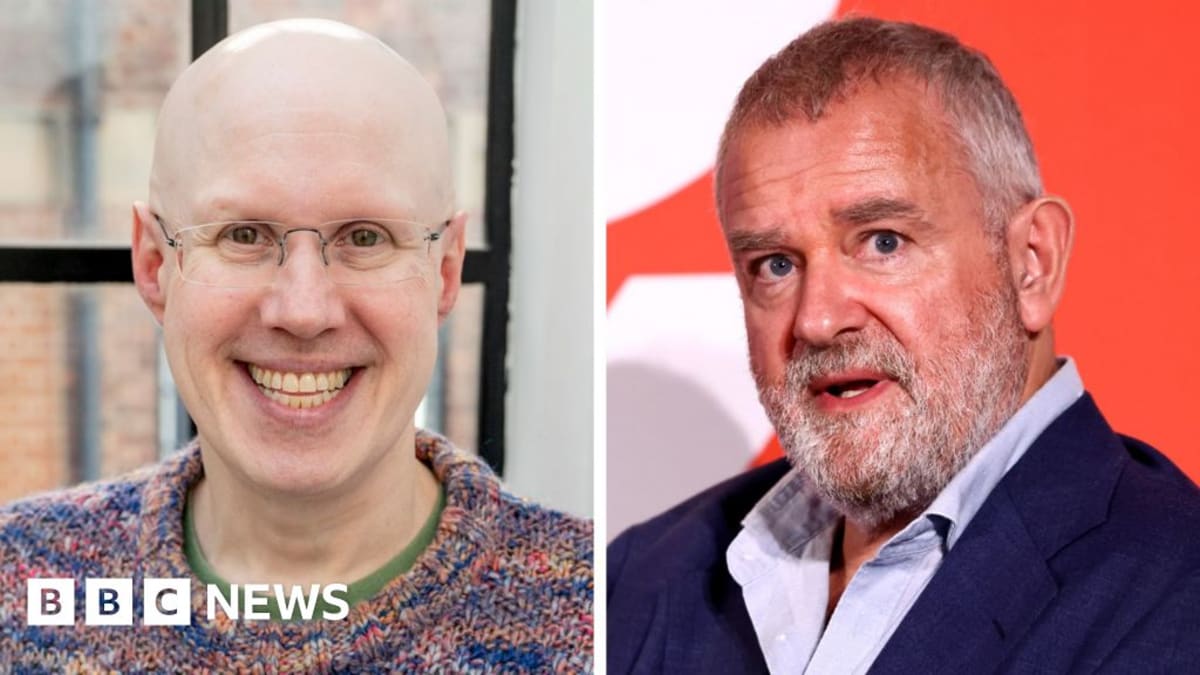
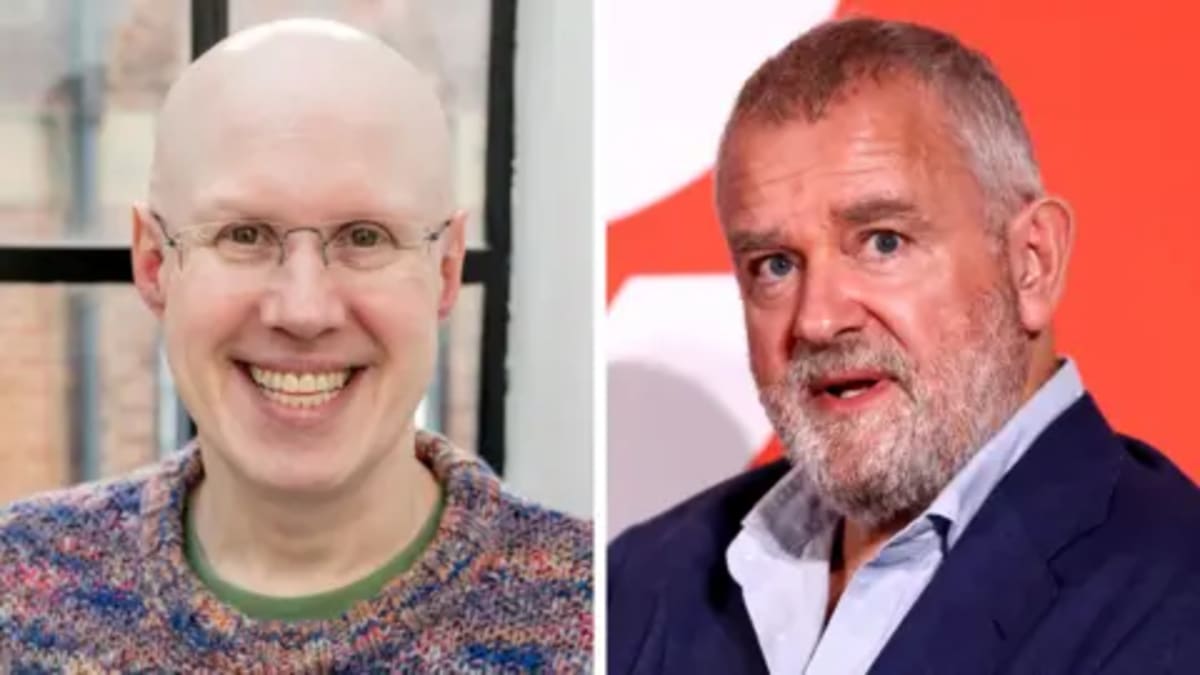
British actors including Matt Lucas, Hugh Bonneville, and Nicola Coughlan are taking a stand to protect something deeply personal: their voices.
The performers have written to Prime Minister Andy Burnham demanding new legislation that would give every person in the UK a legal right to own their voice. More than 80 artists signed the letter, representing a growing movement to address AI voice cloning technology that can now replicate anyone's voice in minutes.
Voice clones work by training AI on recordings of real people. Quick versions take just seconds of audio, while high-quality copies need hours of material. For professionals like audiobook narrator Alice Sockett, who co-founded the campaign, the threat is real and immediate.
"My voice is out there in the public domain but completely unprotected," Sockett explained. She calls it "an existential threat to our entire industry" as voice theft cases climb every week.
Derry Girls actress Siobhán McSweeney expressed worry that the UK government is falling behind on this issue. "There is a way to work alongside AI and to use it as a tool that benefits us rather than rendering us obsolete," she said.
Scottish singer Sandi Thom joined the cause, noting her voice was "unique to me and was handed to me at birth." Behind every voice sits emotion, life experience, pain, tears, and joy that AI cannot replicate.
The government responded positively, acknowledging that while digital replicas can help creative industries, they also pose risks. Officials announced they will launch a consultation on addressing these harms while protecting legitimate innovation.
The Bright Side
The technology itself isn't inherently bad. Some people have found life-changing benefits from voice cloning AI.
Yvonne Johnson lost her voice to motor neurone disease. When AI cloned her voice, it "totally blown her mind" and brought her closer to family who had forgotten what she sounded like. The technology gave her back a piece of herself she thought was lost forever.
The campaign isn't about stopping innovation. It's about creating guardrails so technology serves humanity rather than exploits it. Performers want to work with AI as a tool, not be replaced by it.
Their audiences agree. "Our audiences want that human connection. Not AI," McSweeney emphasized.
As technology races forward, these performers are asking for something simple: the right to control how their unique voices are used in an AI-powered world.
More Images

Based on reporting by BBC Technology
This story was written by BrightWire based on verified news reports.
Spread the positivity!
Share this good news with someone who needs it