UK Breaks Ground on First Clean Energy Hub for Trucking
The UK just started building its first refueling hub designed specifically to help delivery trucks and vans switch to clean energy. When fully deployed nationwide, this network could eliminate 1.3 million tons of carbon emissions by 2060.
A construction crew in Sheffield is building something Britain's transport sector has desperately needed: a place where delivery trucks can actually refuel with clean energy.
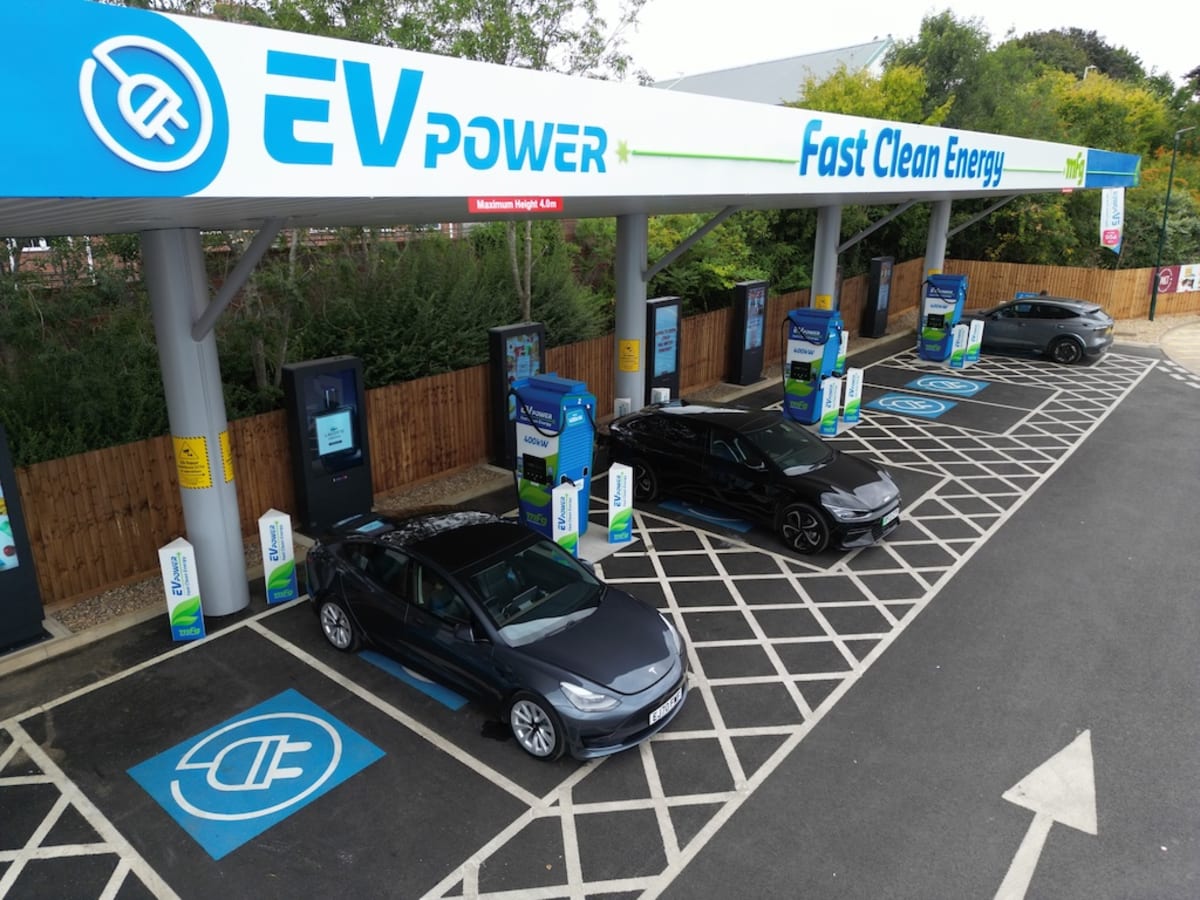
Aegis Energy broke ground this month on the UK's first clean energy hub built specifically for logistics vehicles. The facility will recharge and refuel over 100 delivery vans and trucks every day when it opens next spring.
The project tackles a stubborn problem. Road transport produces 31% of Britain's greenhouse gas emissions, and freight companies want to switch to cleaner vehicles but lack the infrastructure to do so. It's like asking someone to buy an electric car when there's nowhere to charge it.
Quinbrook Infrastructure Partners invested £100 million in Aegis Energy in January 2025, marking the firm's first major bet on sustainable transport. That confidence is paying off faster than expected.
"Decarbonising commercial transport starts with building the right infrastructure in the right places," said Aegis CEO Michael Saw. The Sheffield location was chosen strategically to serve major delivery routes crisscrossing the region.
The Ripple Effect
This single hub is just the beginning of a much bigger transformation. Aegis plans to build clean energy refueling stations along every major motorway in Britain over the next four years, creating a national network that makes zero-emission trucking practical.
Lord Deben, chair of the Council for Net Zero Transport, pointed out how dramatically perceptions have shifted. "Freight, once a sector that was thought to be near-impossible to abate, is proving to be anything but," he said. Customer demand, investment dollars, and new infrastructure are all aligning at once.
The project will create local jobs during construction and operation while improving air quality in Sheffield and beyond. Fleet operators who've been sitting on the sidelines, waiting for reliable clean energy access, now have a clear path forward.
By 2060, the full network could prevent 1.3 million metric tons of carbon dioxide from entering the atmosphere. That's equivalent to taking hundreds of thousands of cars off the road permanently.
Britain is showing the world that the hardest sectors to decarbonize just need the right infrastructure and commitment to make it happen.
More Images

Based on reporting by Google: clean energy investment
This story was written by BrightWire based on verified news reports.
Spread the positivity!
Share this good news with someone who needs it