UK Communities Buy Ferries, Pubs to Save Their Towns
Across the UK, nearly 900 residents bought shares to save Bristol's beloved ferry service from bankruptcy. Now 11,000 community-run businesses are transforming ghost towns into vibrant hubs where neighbors reconnect.
When Bristol's iconic yellow and blue harbor ferries went bankrupt in 2012, nearly 900 residents refused to let their city's floating tradition sink.
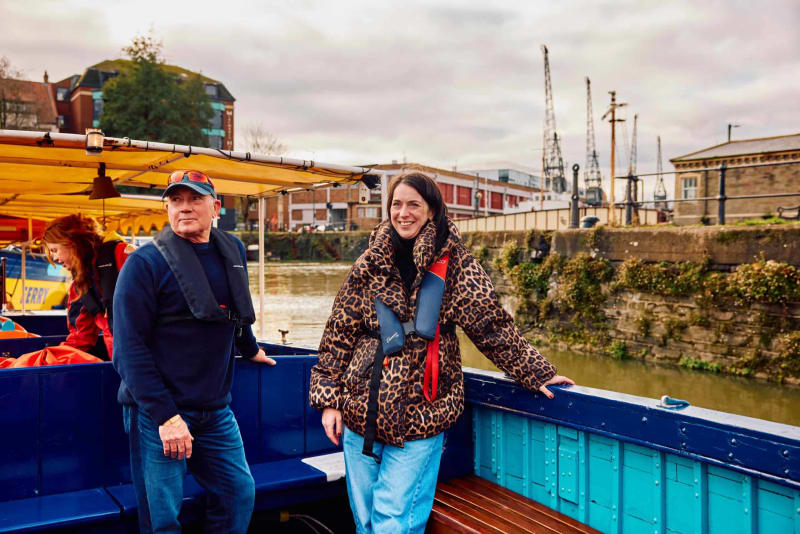
They pooled money through a share offer and bought the boats themselves. Today, Bristol Community Ferry Boats carries 50,000 passengers annually while paying living wages to 40 employees, from teachers to tattoo artists.
"Commuters actually talk to each other and strike up friendships," says skipper Steve Pope. "You don't get that on buses or trains."
The ferry runs regular routes between Bristol Temple Meads station and the city center, cutting road congestion. It also offers up to 20 free tours yearly for residents facing financial hardship.
Bristol's success sparked a movement. Community-owned businesses in England doubled between 2015 and 2022, jumping from 5,650 to 11,000, according to think tank Power to Change.
More than 217 UK pubs now run under community ownership. Most would have closed forever without local intervention.
These aren't ordinary pubs. They host mother and baby groups, book clubs, refugee support programs, and live music alongside serving pints.
The real transformation is happening on Britain's struggling high streets. Communities are buying abandoned department stores and retail spaces, converting them into mixed-use hubs.
Haven Community Hub in Southend, Essex now occupies a former department store. The building houses a dementia day care center, foot clinic, and other community services where shoppers once browsed.
In south London, residents turned a litter-strewn dumping ground near train tracks into Crofton Park Railway Garden. Schoolchildren now explore nature where fly-tippers once illegally disposed of trash.
The Ripple Effect
Bristol's ferry maintenance alone supports the city's endangered wooden boat builders, whose traditional craft appears on the UK's red list of dying trades. One-third of the ferry service's revenue flows directly to these skilled artisans.
The movement addresses a gap left by retreating government budgets and fleeing big retailers. Communities are stepping into vacant spaces with solutions tailored to local needs.
"Community businesses are really regenerating these places," says Jessica Craig, policy manager at Power to Change. "They're helping shape more resilient, diverse, mixed-use high streets."
Many passengers still don't realize Bristol's ferries are community-owned, but that quiet civic pride defines the movement. While buildings physically dominate spaces, it's harder to spot volunteer hours maintaining community gardens or neighborhood WhatsApp groups sharing recipes and unwanted items.
These communities prove that when residents invest in themselves, everyone wins.
Based on reporting by Positive News
This story was written by BrightWire based on verified news reports.
Spread the positivity!
Share this good news with someone who needs it