UK Crane Population Hits 250 After 400-Year Extinction
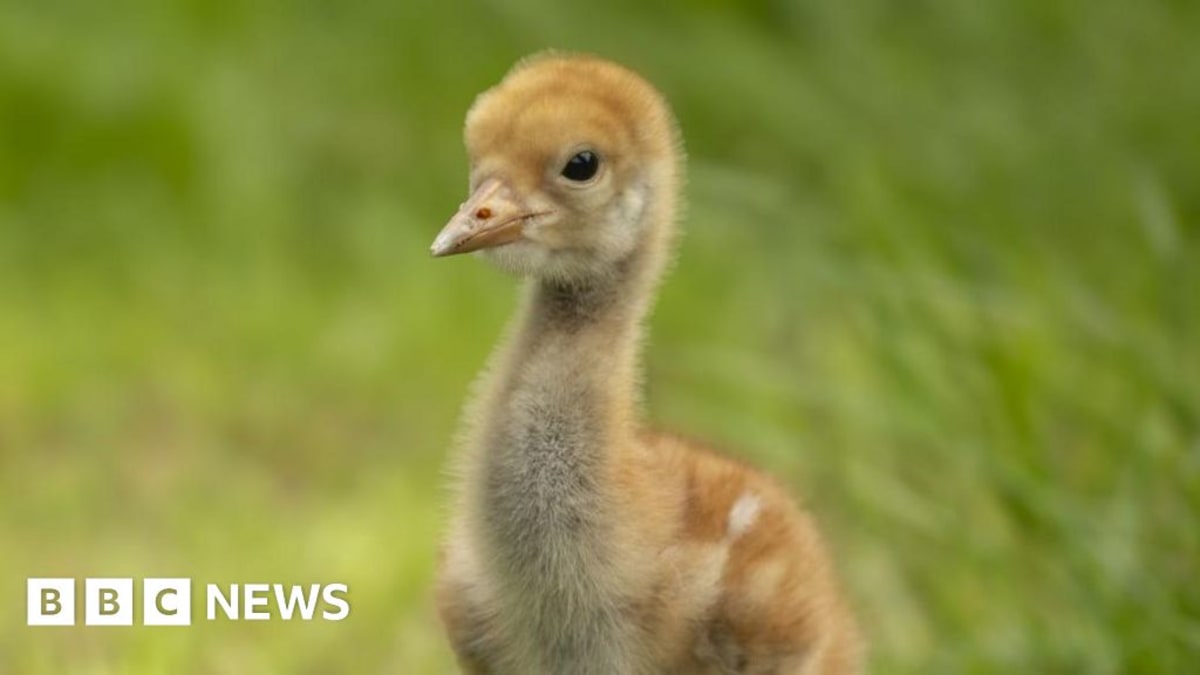
Britain's tallest bird is making an extraordinary comeback, with 37 crane chicks born in 2024 bringing the total population to 250. The species vanished 400 years ago but found a safe haven at one Suffolk nature reserve.
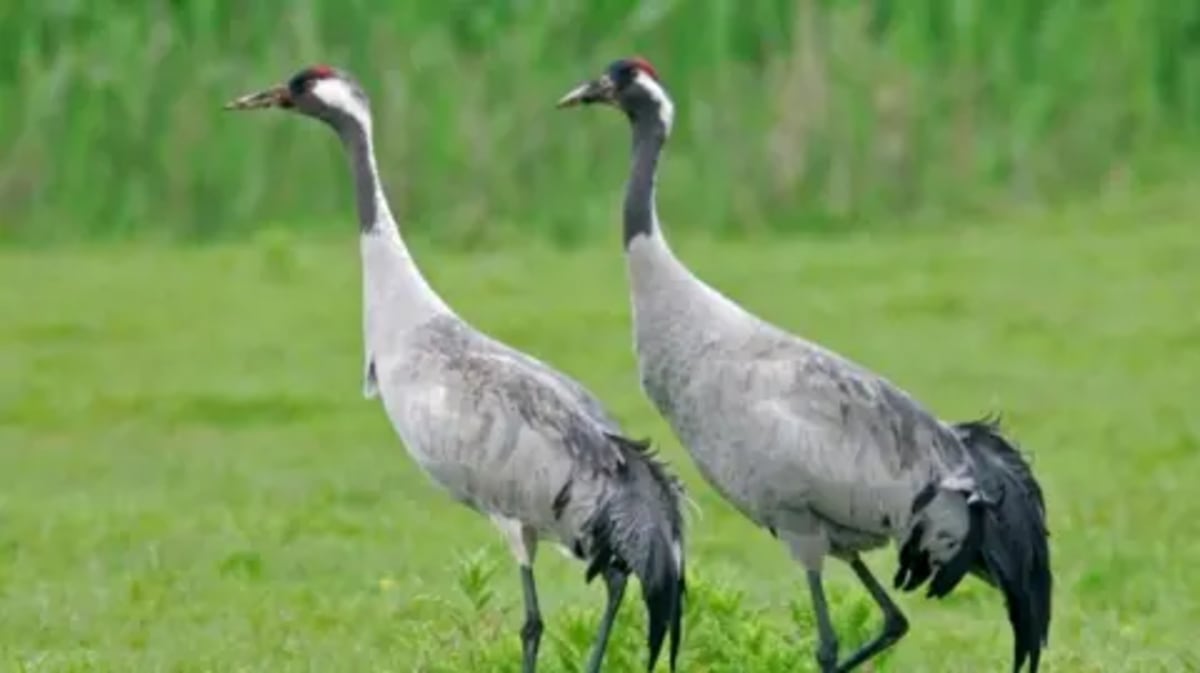
The common crane stands over three feet tall and calls loud enough to echo across 3.5 miles of wetland. Now this majestic bird is reclaiming British skies after disappearing in the 1600s.
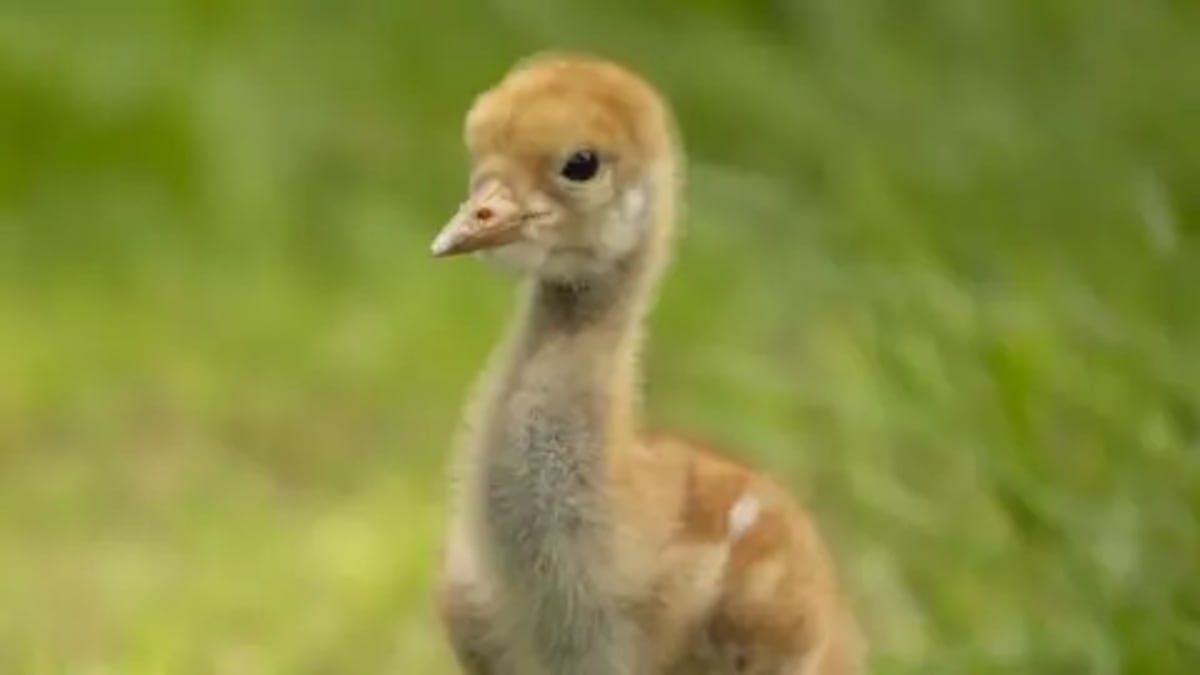
RSPB Lakenheath Fen in Suffolk has become home to three breeding pairs since cranes first arrived in 2007. Last year delivered a record-breaking milestone: 37 chicks hatched across the UK, more than ever before.
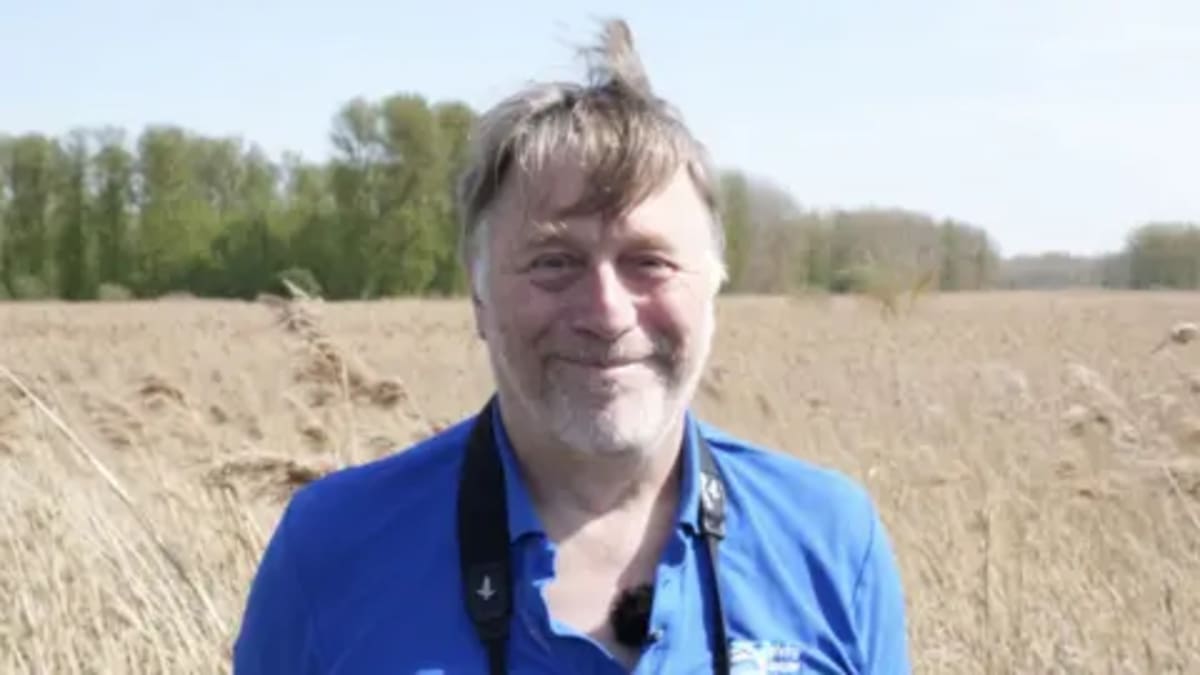
Dave Rogers manages the reserve where 26 crane chicks have grown up over the years. He calls the recovery a "slow process" worth celebrating at every step.
The birds went extinct due to overhunting and disappearing wetlands four centuries ago. A few wild cranes from mainland Europe eventually ventured back to Norfolk's marshes, giving the species a second chance.
Cranes mate for life and raise a maximum of two chicks per year. The young birds take three to five years before pairing off themselves, then need a couple more years to master parenting.
At Lakenheath Fen, staff created special "runways" in 2024 to help the massive birds take flight safely. The reserve's reedbeds give them access to water away from human activity.
Assistant warden Haydn Fox watches the pairs swap nesting duties throughout the day. "They're such majestic birds when they're in flight," he said. "They've got their own personalities."
The Ripple Effect
Kevin Middleton has been birdwatching since childhood and never imagined seeing cranes in his home county. "When you see something that big and heavy going through the sky, it's incredible," he said.
The comeback shows what targeted conservation can achieve. From near zero to 87 breeding pairs nationwide represents patient, persistent work paying off.
Rogers believes Lakenheath might squeeze in one more pair if the resident birds tolerate newcomers. Cranes can be territorial, but the reserve offers plenty of space.
Climate change still threatens the wetland habitats cranes depend on, making protected reserves more critical than ever. But watching Britain's tallest bird soar overhead again proves nature can heal when given the chance.
More Images

Based on reporting by BBC Science
This story was written by BrightWire based on verified news reports.
Spread the positivity!
Share this good news with someone who needs it