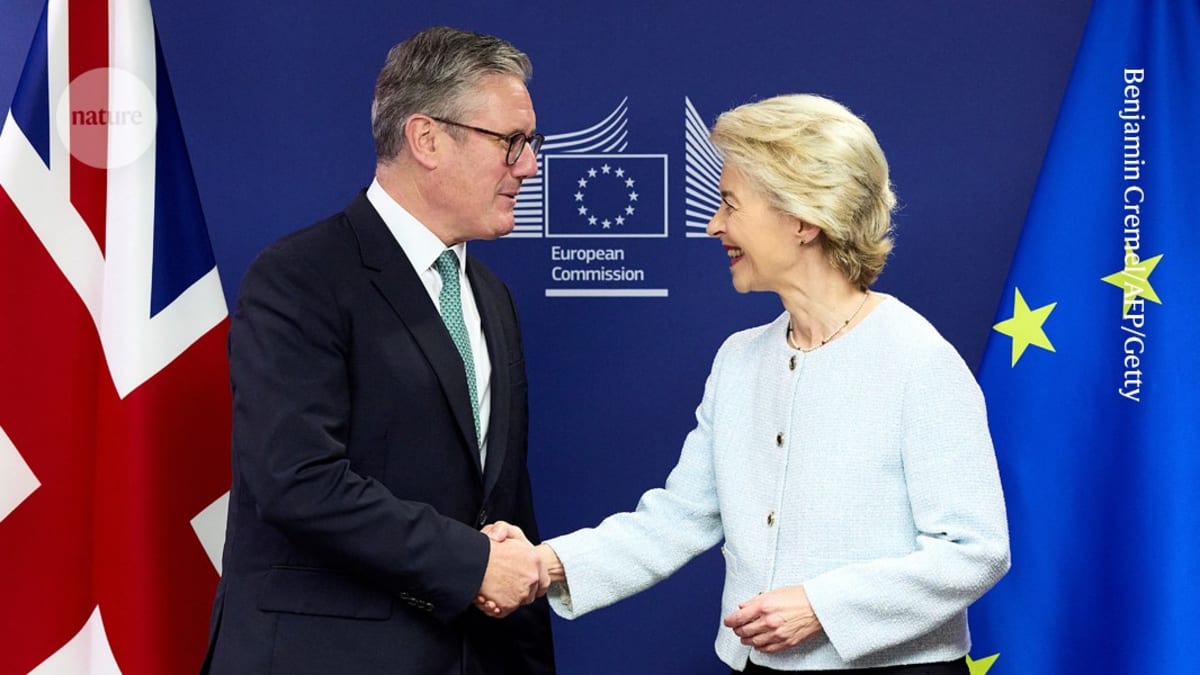
UK-EU Science Partnership Rebounds After Brexit Rift
Ten years after Brexit threatened to shatter European research collaboration, UK scientists are finding their way back into the fold. Funding shares are climbing, exchange programs are restarting, and the bridge between British and European labs is rebuilding.
After a decade of uncertainty and isolation, UK scientists are finally reconnecting with their European colleagues in meaningful ways.
The numbers tell a hopeful story. UK researchers secured 9.3% of EU grant funding in 2024, a significant jump from just 5.8% in 2023. While still below the pre-Brexit peak of 16% in 2015, the upward trend signals that British scientists are regaining their foothold in Europe's flagship research programs.
The breakthrough came when the UK rejoined Horizon Europe in 2024, ending years of wilderness where British researchers could participate but couldn't lead major collaborations. That meant watching opportunities slip away as EU partners hesitated to build proposals around UK institutions facing an uncertain future.
Now the momentum is building. Starting in 2027, UK PhD students and university staff will rejoin Erasmus+, the EU's prestigious exchange program. The UK's Labour government has made resetting the relationship with Europe a priority, launching talks that could expand mobility programs for young researchers to study and work across borders.
The recovery extends beyond funding numbers. During the Brexit years, UK researchers adapted by seeking new partnerships, particularly in East Asia. But collaboration with EU colleagues dropped from 60% of UK research output in 2015 to 52% in 2022. Those connections are now beginning to rebuild as uncertainty fades.
The Ripple Effect
The healing relationship between UK and EU science creates wins far beyond any single laboratory. Research on climate change, disease prevention, and technological innovation thrives when scientists collaborate across borders without political barriers in their way.
Young researchers who feared their careers would be limited by geography now see paths opening up again. A PhD student in London can envision spending time at a lab in Berlin or Barcelona. A cancer researcher in Manchester can lead a team spanning multiple countries to tackle complex challenges.
The next chapter begins in 2028 with the launch of Horizon Europe's new phase, featuring a proposed budget of €175 billion. UK scientists will participate as associate members, though they've lost the official voice they once had in shaping European research policy. Some defense-related funding streams may remain off-limits to non-EU countries.
Still, researchers like Uta Staiger at University College London see genuine progress. "The change of government and particularly the summit last year really did put us on a new trajectory," she says.
The road back hasn't been quick or easy. Rebuilding trust and credibility takes time after years of uncertainty disrupted partnerships and funding flows. But the political will exists on both sides, and the data shows researchers are seizing the opportunity.
Science thrives when brilliant minds can work together without borders, and that future is coming back into focus.
More Images



Based on reporting by Nature News
This story was written by BrightWire based on verified news reports.
Spread the positivity!
Share this good news with someone who needs it