UK Farm Shows How to Rebuild Soil Lost for Generations
Britain loses millions of tons of topsoil yearly, but one supermarket's farm is proving regenerative agriculture can reverse centuries of damage. National Geographic documented how Waitrose's techniques are helping restore what takes up to 1,000 years to naturally rebuild.
Every year, the UK loses 2 to 3 million tons of topsoil, the precious layer that feeds the nation. National Geographic photographer Matthieu Paley just visited a farm that's bringing it back.
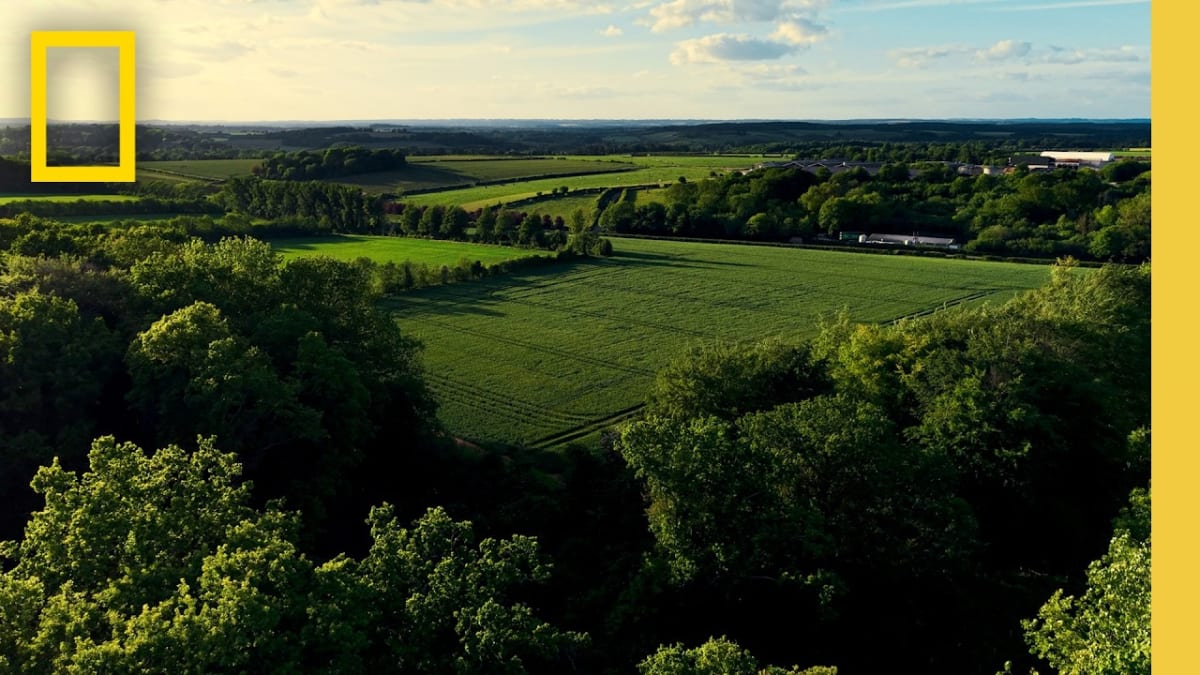
At the Waitrose Farm on Leckford Estate, regenerative agriculture is proving that soil isn't just dirt. It's a living ecosystem that, when treated right, can rebuild itself and thrive.
The numbers tell a sobering story. Depending on soil type, nature needs 400 to 1,000 years to build just one centimeter of topsoil. Conventional farming has been eroding this irreplaceable resource faster than it can regenerate.
Waitrose, the only UK supermarket operating its own working farm, is pioneering a different approach. The farm uses techniques that treat soil as something to nurture rather than mine.
One key practice involves "herbal leys," fields left to grow rich mixes of plants instead of single crops. These diverse plant communities create self-sufficient ecosystems that feed grazing cows even during dry summers.
While the cows graze above ground, something remarkable happens below. The varied plant roots rebuild soil structure, increasing its ability to hold water and nutrients.
The Ripple Effect
Waitrose isn't keeping these methods to themselves. The company has committed to helping farmers across the UK transition to regenerative practices by 2030.
This matters beyond one farm's boundaries. As more farmers adopt these techniques, Britain could reverse decades of soil degradation. Healthy soil means more resilient food systems, better water retention during droughts, and crops that need fewer chemical inputs.
The approach also shows how major food retailers can drive positive change. When a national supermarket chain invests in regenerative farming, it creates pathways for smaller farms to follow.
Paley's documentation captures something farmers have known for generations but modern agriculture forgot. When we work with nature instead of against it, the land responds.
The transformation doesn't happen overnight, which makes the commitment even more significant. Rebuilding soil requires patience measured in years, not quarterly earnings reports.
Other UK farms are already watching and learning. The techniques demonstrated at Leckford Estate prove that commercial farming and environmental restoration aren't opposing goals.
Healthy soil truly does grow more than food—it grows a future where farming rebuilds rather than depletes the earth.
Based on reporting by National Geographic
This story was written by BrightWire based on verified news reports.
Spread the positivity!
Share this good news with someone who needs it