UK Heatwave Reveals 300-Year-Old Secret Gardens
Scorching temperatures across the UK are uncovering hidden treasures beneath the grass. Historic gardens, lost villages, and wartime structures are suddenly visible after centuries underground.
Extreme heat is giving British historians an unexpected gift: a window into centuries of hidden history appearing right beneath their feet.
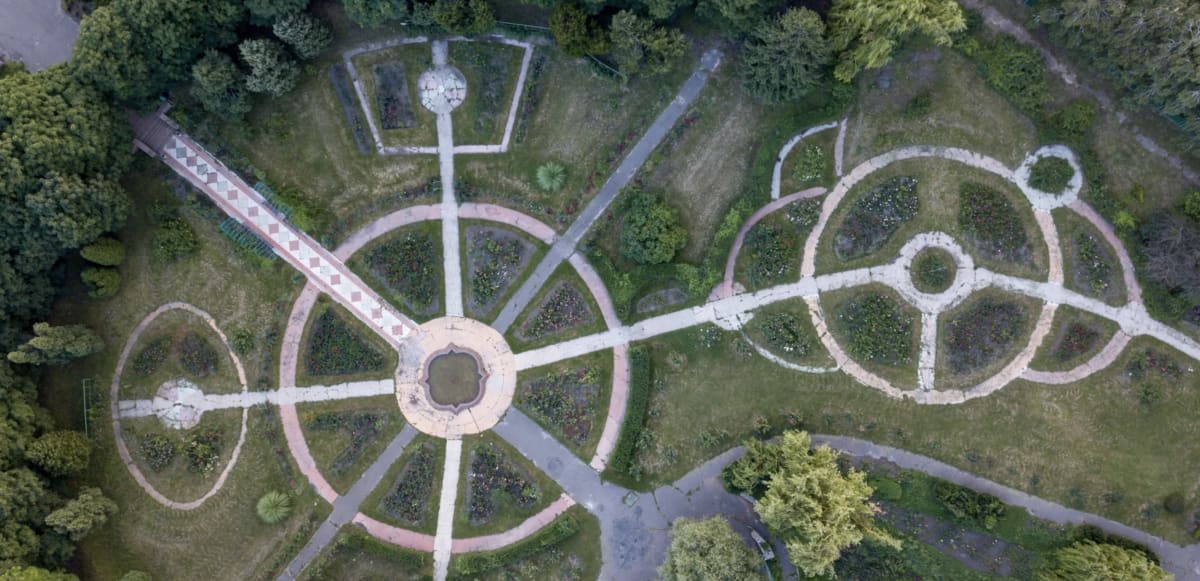
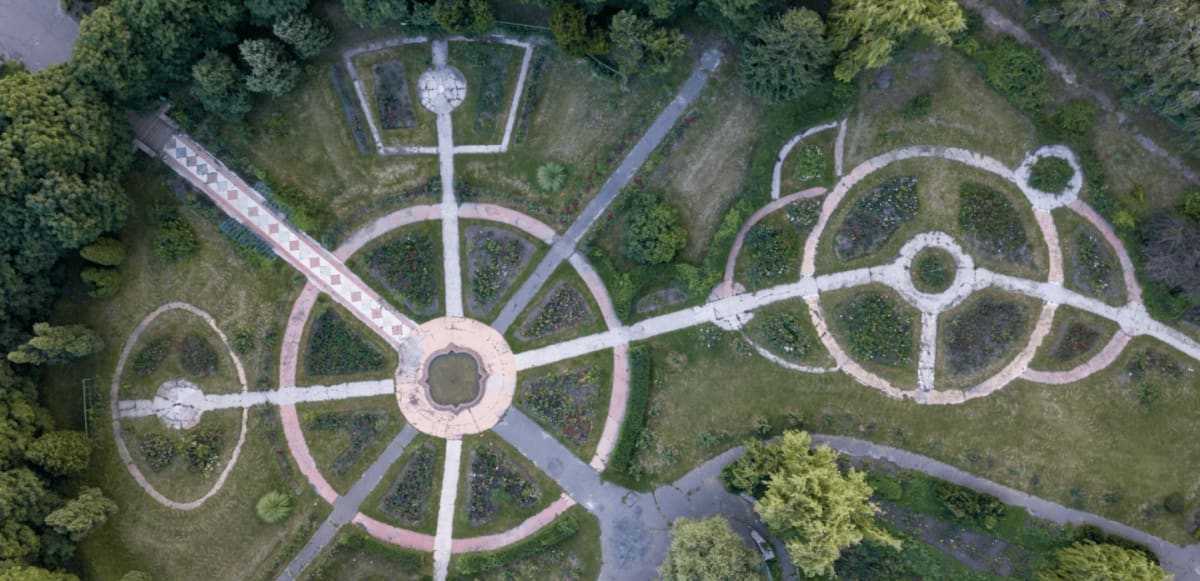
As lawns bake under record temperatures, the parched grass is revealing outlines of gardens, villages, and structures that vanished generations ago. The phenomenon works like an X-ray, exposing features that have been invisible for hundreds of years.
At Blenheim Palace in Oxfordshire, a 300-year-old garden that was dismantled in the 1760s suddenly appeared on the lawn. Head gardener Andy Mills could hardly believe the scale of what emerged. "It's a huge structure, it's just massive," he told the BBC, explaining that while they knew the archaeology existed underground, seeing the entire footprint appear was extraordinary.
The discovery happened because grass planted over old stone paths and flowerbeds has much shorter roots than surrounding turf. When extreme heat dries out the ground, that shallow-rooted grass burns faster, creating a temporary contrast that highlights the original design underneath.
At Hardwick Hall, an Elizabethan mansion from the 1590s, the ghostly outline of flowerbeds arranged in 1833 appeared in the shape of their creator's initials: "E.S." for Elizabeth Shrewsbury. Nearby at Chatsworth House, the swirling patterns of the Great Parterre emerged, an ornamental garden created around 1699 and replaced with a new design just 30 years later.
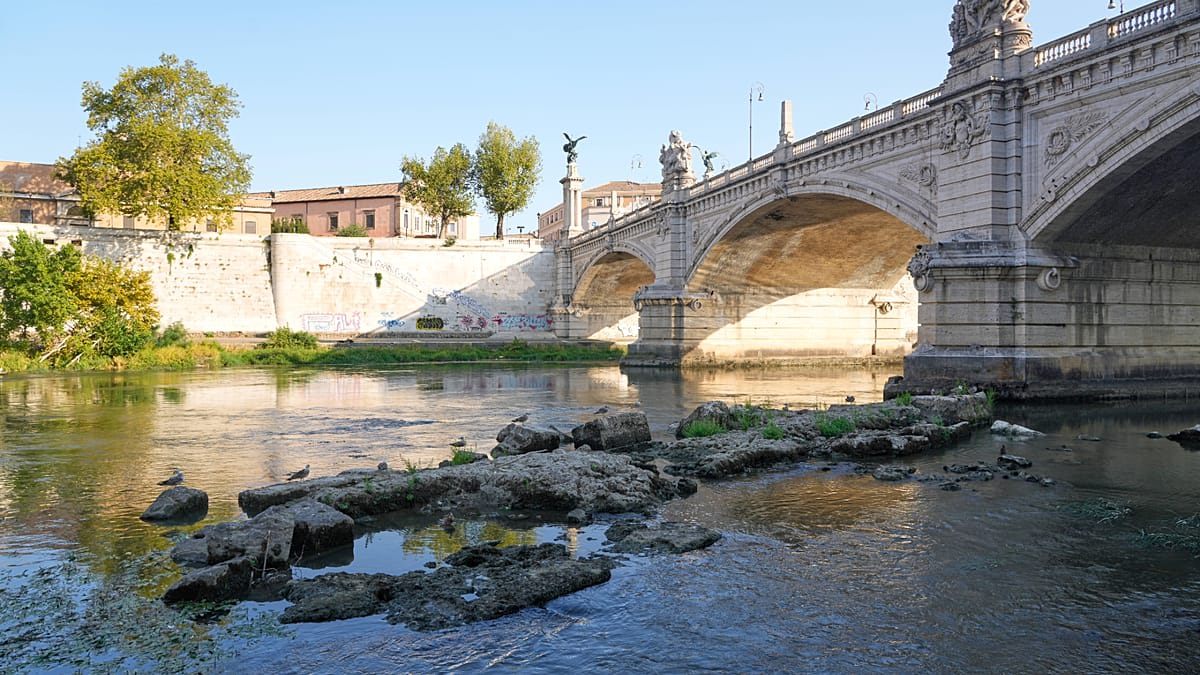
The heat is uncovering more than just fancy gardens. In the East Midlands, the remains of Nether Hambleton emerged from receding water levels at Rutland Water reservoir. The village was deliberately demolished in the 1970s to make way for the reservoir, and now its stonework and building foundations are visible once again.
Even recent history is making an appearance. Aerial surveys spotted World War I practice trenches hidden beneath a golf course in Wales. In Dinefwr Park, the outlines of World War II-era military hospital buildings surfaced where they once housed troops and prisoners of war.
The Bright Side
While extreme heat causes genuine hardship, these discoveries remind us that history lives just beneath our daily routines. Every lawn, every field, every patch of ground holds stories waiting to be told. The parched grass is acting like a time machine, giving us glimpses of gardens admired by dukes, villages bustling with daily life, and soldiers training for battles long concluded.
These temporary windows into the past connect us to the people who walked the same ground centuries before. Their gardens, homes, and workplaces shaped the landscape we inhabit today, and for a brief moment, we can see the world as they designed it.
More Images



Based on reporting by Upworthy
This story was written by BrightWire based on verified news reports.
Spread the positivity!
Share this good news with someone who needs it