UK Invests $6.6B in Fusion Energy and Quantum Computing
Britain just committed $6.6 billion to become a world leader in quantum computing and nuclear fusion energy. The ambitious bet could spark breakthrough technologies while rebuilding the nation's scientific independence after Brexit.
Britain is placing one of the biggest technological bets in its history, investing $6.6 billion to pioneer the future of clean energy and next-generation computing.
The UK government announced $2.66 billion for quantum computing development and $3.3 billion for nuclear fusion energy on March 16. Officials say the investment will push Britain to the forefront of both revolutionary fields while nurturing homegrown scientific talent and securing energy independence.
The quantum computing package aims to make the UK the first country to roll out large-scale quantum systems and the fastest to adopt artificial intelligence among wealthy nations. The funding supports research, infrastructure, skills training, and commercialization, including facilities for hardware and software development.
In a move echoing how the US government jump-started GPS and stealth aircraft, Britain pledged to buy and use successful quantum systems as they emerge. This procurement commitment gives companies confidence to invest and innovate, knowing there's a guaranteed customer waiting.
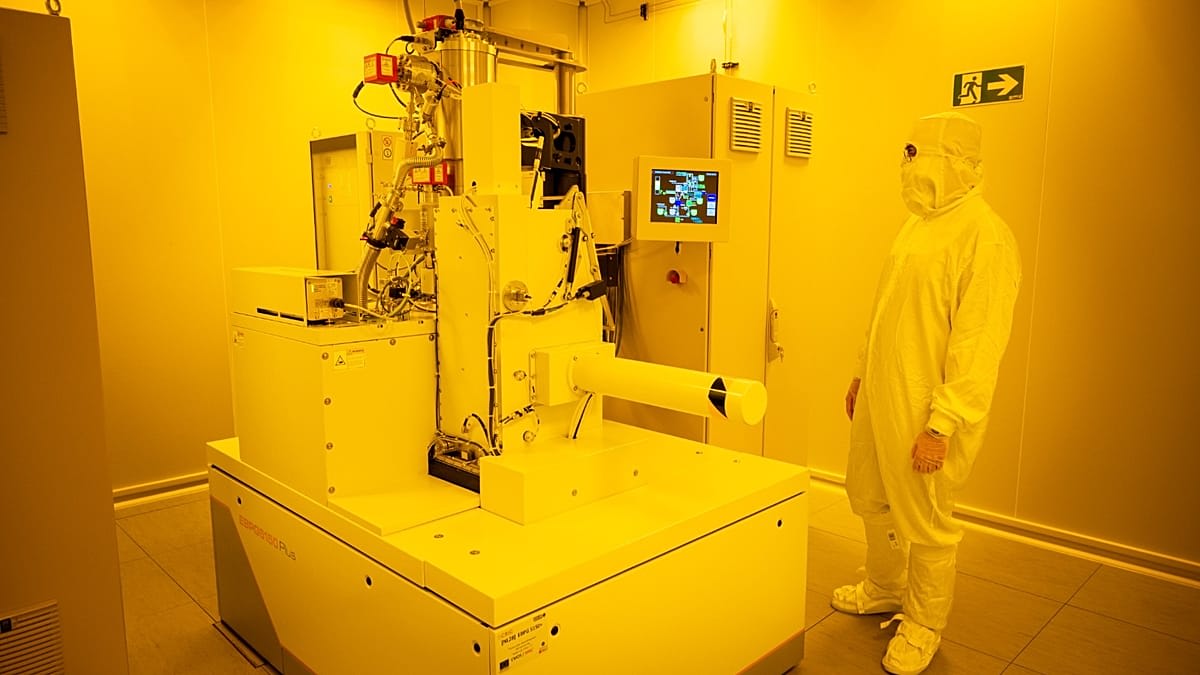
The fusion energy investment includes plans for STEP, a prototype fusion plant being built on the site of a former coal-fired power station in central England. The project also includes $59 million for Britain's first AI supercomputer dedicated to accelerating fusion research.
Researchers call STEP a moonshot project with no guarantee of success, but enormous potential for scientific breakthroughs. The goal is producing significantly more power output than input, the holy grail of fusion energy that could provide unlimited clean electricity.
The Ripple Effect
The investment does more than fund laboratories and equipment. It builds capacity in material science, magnet engineering, and countless other fields that will benefit industries far beyond energy and computing.
Richard Jones, an experimental physicist recently retired from the University of Manchester, points out that even if STEP doesn't achieve its ultimate goal, the research will spark innovations across multiple scientific disciplines. That knowledge spreads through universities, companies, and eventually improves technologies we use every day.
Some scientists note the investment partly compensates for Brexit's disruption of UK science funding and access to European projects like ITER, an international fusion reactor being built in France that the UK withdrew from. But the focus on homegrown innovation could give Britain advantages competitors lack.
The research community has broadly welcomed the strategic commitment, though some experts say maintaining global leadership will require sustained funding beyond this initial investment.
Britain is betting that leadership in quantum computing and fusion energy will define the next century of technological progress, and they're putting their money where their ambition is.
More Images


Based on reporting by Nature News
This story was written by BrightWire based on verified news reports.
Spread the positivity!
Share this good news with someone who needs it