Ukraine Opens Historic EU Membership Talks After Veto Lift
Ukraine officially began negotiations to join the European Union this week, clearing a two-year political roadblock. The breakthrough came after Hungary's new leadership reached an agreement protecting ethnic Hungarian minorities in Ukraine.
Ukraine took its first formal step toward joining the European Union on Monday, marking a dramatic shift in the country's path since Russia's 2022 invasion accelerated what was once a divisive political idea.
The negotiations had been frozen for two years because Hungary's former Prime Minister Viktor Orban blocked the process. EU rules require every member country to agree before accession talks can officially begin.
Hungary's new Prime Minister Peter Magyar recently lifted that veto after reaching an agreement with Ukraine on strengthening rights for ethnic Hungarians living there. Magyar had made protecting this minority a condition for allowing Ukraine's EU bid to move forward.
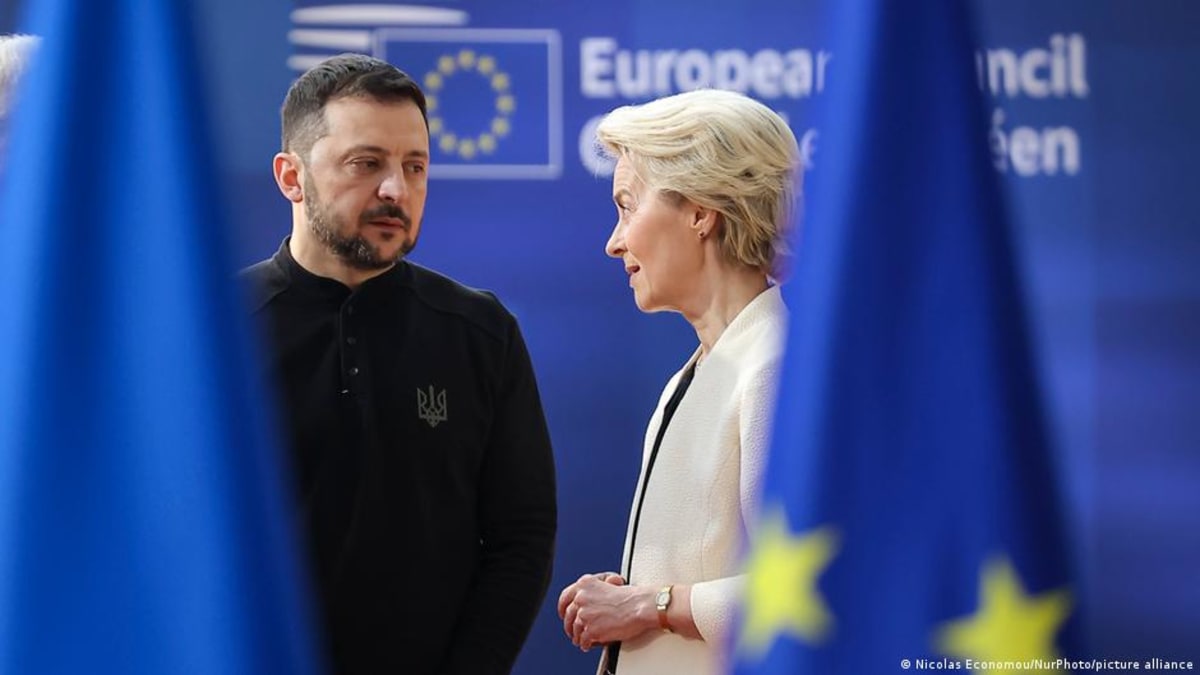
European Commission President Ursula von der Leyen called opening the first negotiating cluster a "huge step forward," praising Ukraine's progress on fighting corruption and strengthening the rule of law. These reforms are essential requirements for any country hoping to join the bloc.
President Volodymyr Zelenskyy celebrated the news from neighboring Moldova, which also started its own EU accession process the same day. "Europe's progress cannot be stopped," he said, noting the two countries would support each other on their shared journey.
The Bright Side
While joining the EU typically takes years or even decades, this diplomatic breakthrough shows how crisis can accelerate change. Croatia's accession took years of preparation, and Turkey's bid has been stalled since 2005 after applying in 1987.
Ukraine must now demonstrate compliance with EU standards across 35 different policy areas, called chapters. The first cluster always focuses on fundamentals like democracy, judicial independence, and economic criteria.
All 27 current EU members must unanimously approve Ukraine's progress through each stage. Final membership would require signing and ratifying an accession treaty with every country's consent.
Experts agree Ukraine likely cannot complete the process while still at war with Russia. But starting formal talks sends a powerful message about Europe's commitment to Ukraine's future and the kind of peace the country is working toward.
The negotiations represent more than paperwork. They're a promise that Ukraine's democratic transformation has a destination worth fighting for.
Based on reporting by DW News
This story was written by BrightWire based on verified news reports.
Spread the positivity!
Share this good news with someone who needs it