UK's Largest Marine Recovery Project Launches on South Coast
Five wildlife trusts are joining forces to restore nearly 40% of lost seagrass and bring back thriving kelp forests across Britain's south coast. The multi-year project will work with fishing communities and coastal towns to heal underwater ecosystems that seahorses, cuttlefish, and thousands of species call home.
Britain's underwater gardens are coming back to life thanks to an ambitious new plan to restore the south coast's struggling seas.
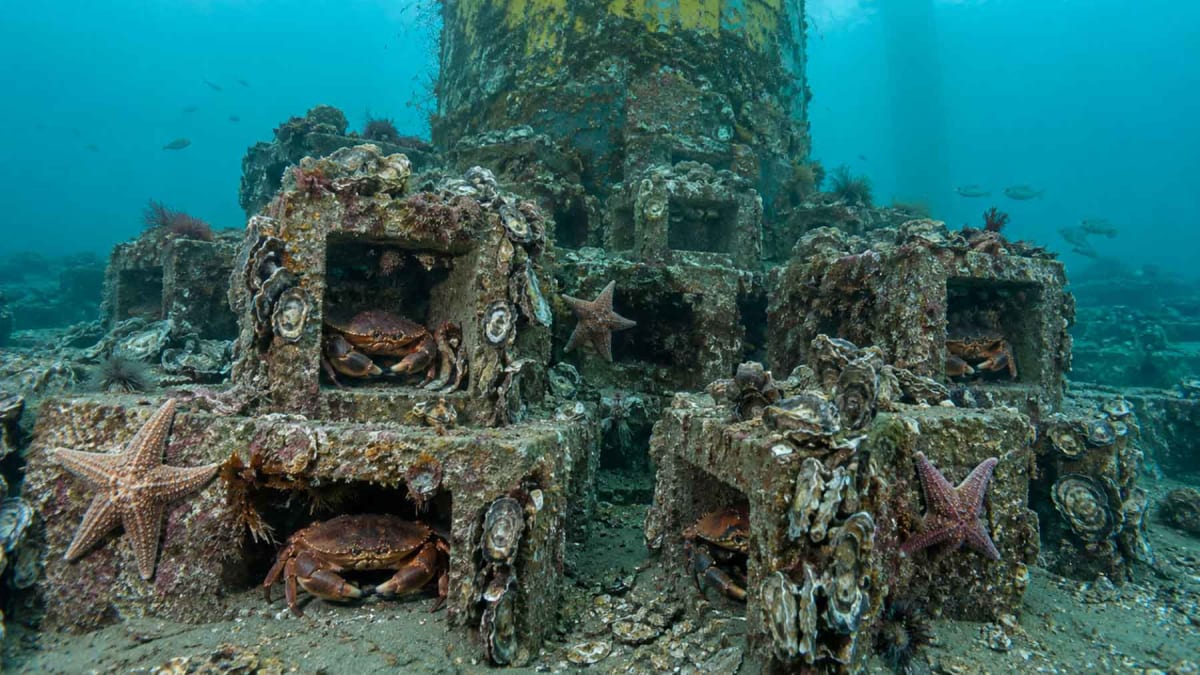
The South Coast Marine Recovery Project launches its planning phase in January 2026, bringing together five Wildlife Trusts from Cornwall to Sussex. Their mission: reverse decades of damage to seagrass meadows, kelp forests, and oyster reefs that have nearly vanished from British waters.
The numbers tell a sobering story. Since 1980, the UK has lost nearly 40% of its seagrass meadows where seahorses make their homes. In Sussex alone, 96% of kelp forests disappeared before recent recovery efforts began turning things around.
Even more troubling, 58% of Marine Protected Areas have actually gotten worse since being designated. Bottom trawling and other damaging activities continue inside zones meant to safeguard wildlife, leaving ecosystems with little chance to heal.
But here's where the good news begins. Wildlife Trusts across five counties are taking a completely different approach by working at what they call "seascape level." Instead of protecting isolated patches, they'll treat the entire south coast as one connected system where healthy reefs support fish populations that feed seabirds and maintain the balance nature needs.
The project's first 15 months will focus on something rarely seen in conservation: true partnership. Fishing communities, local governments, and coastal residents will co-design solutions together rather than having rules imposed from above. The teams want people who depend on these waters to lead the recovery, not just follow it.
The Ripple Effect
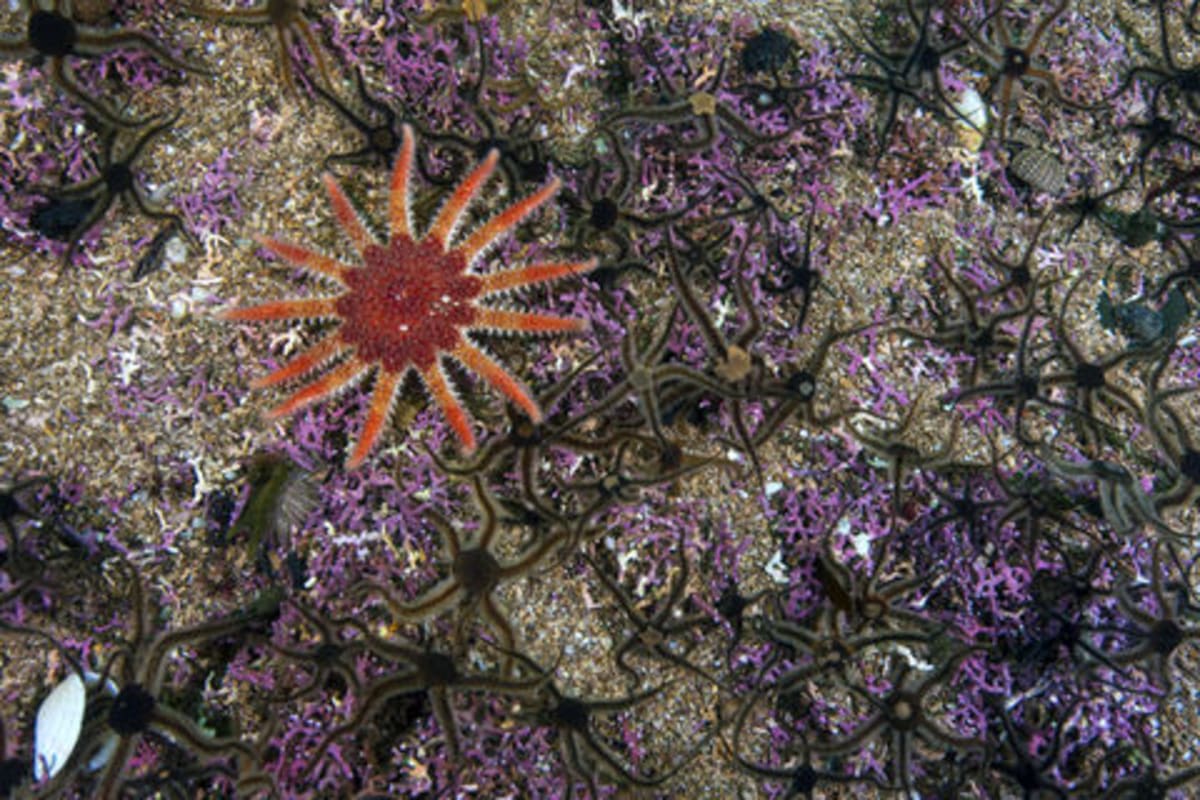
When underwater habitats recover, the benefits spread far beyond the seafloor. Restored seagrass meadows don't just bring back seahorses; they capture carbon, buffer storm surges, and support fisheries that coastal economies depend on. Healthy kelp forests create nurseries for commercial fish species while providing food and shelter for everything from tiny nudibranchs to visiting seals.
The Wildlife Trusts are betting that giving nature space to regenerate naturally, combined with removing specific pressures like destructive fishing practices, will prove more effective than the current patchwork of protections that exist on paper but fail in practice.
Communities will have hands-on chances to participate in restoration while broader systemic changes address root causes like agricultural runoff and climate adaptation. Early wins from Sussex's kelp recovery show what's possible when ecosystems get genuine protection and support.
The delivery phase spanning several years after March 2027 aims to create lasting change that lets nature, coastal businesses, and local communities flourish together.
From Cornwall's rugged coasts to Sussex's shingle beaches, Britain's seas are getting the bold, connected approach they need to truly thrive again.
More Images

Based on reporting by Google News - Wildlife Recovery
This story was written by BrightWire based on verified news reports.
Spread the positivity!
Share this good news with someone who needs it