UN Backs Map Showing Africa's True Size
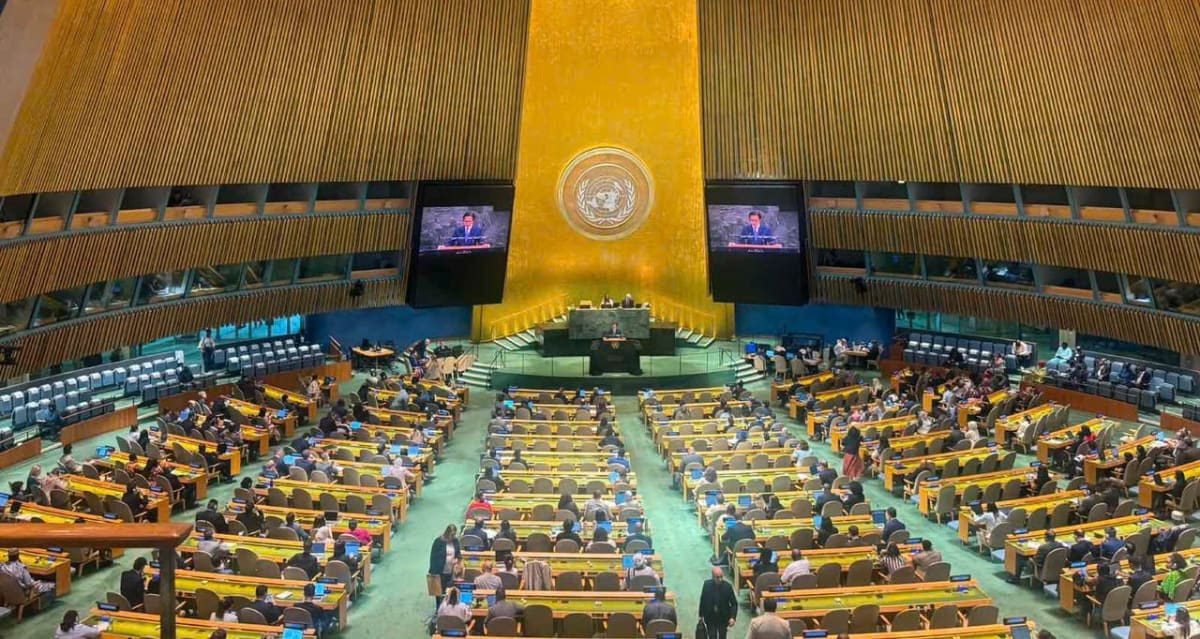
The United Nations has endorsed world maps that accurately show Africa's massive scale after generations of distortion made it appear much smaller than reality. The shift could reshape how billions of people see the continent's importance.
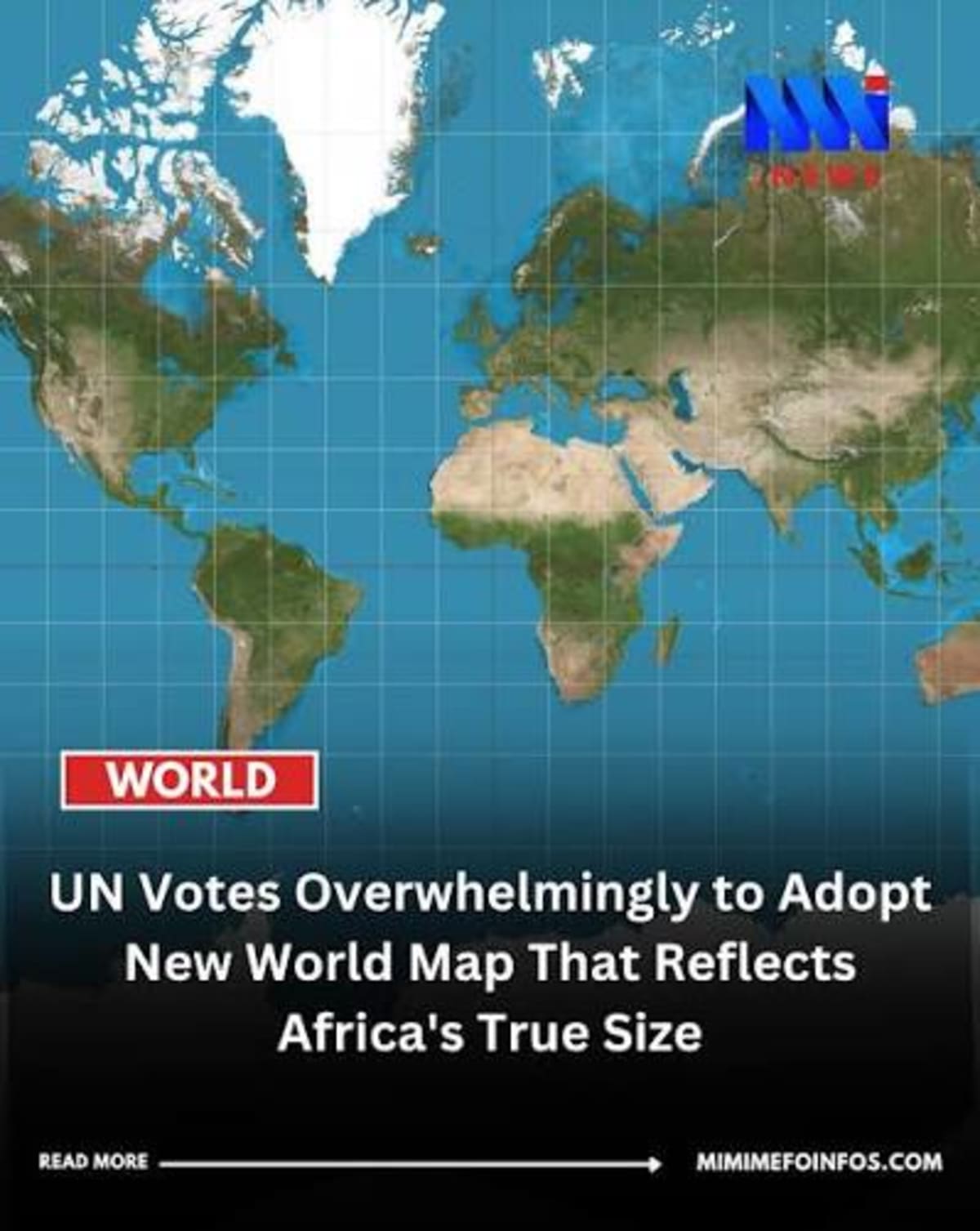
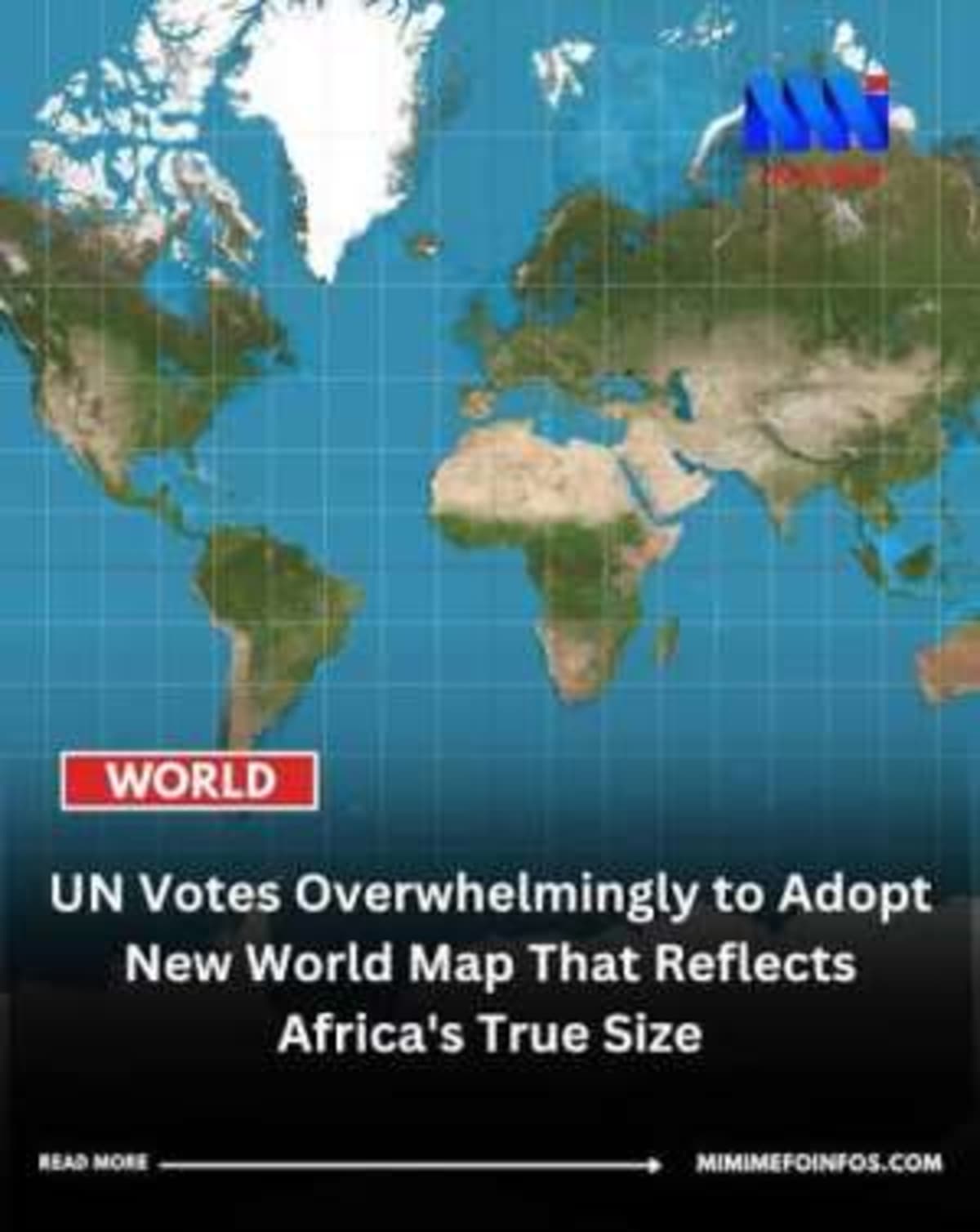
For centuries, schoolchildren around the world have grown up with a skewed view of Africa, seeing it portrayed as roughly the same size as Greenland on their classroom maps. The truth? Africa is 14 times larger.
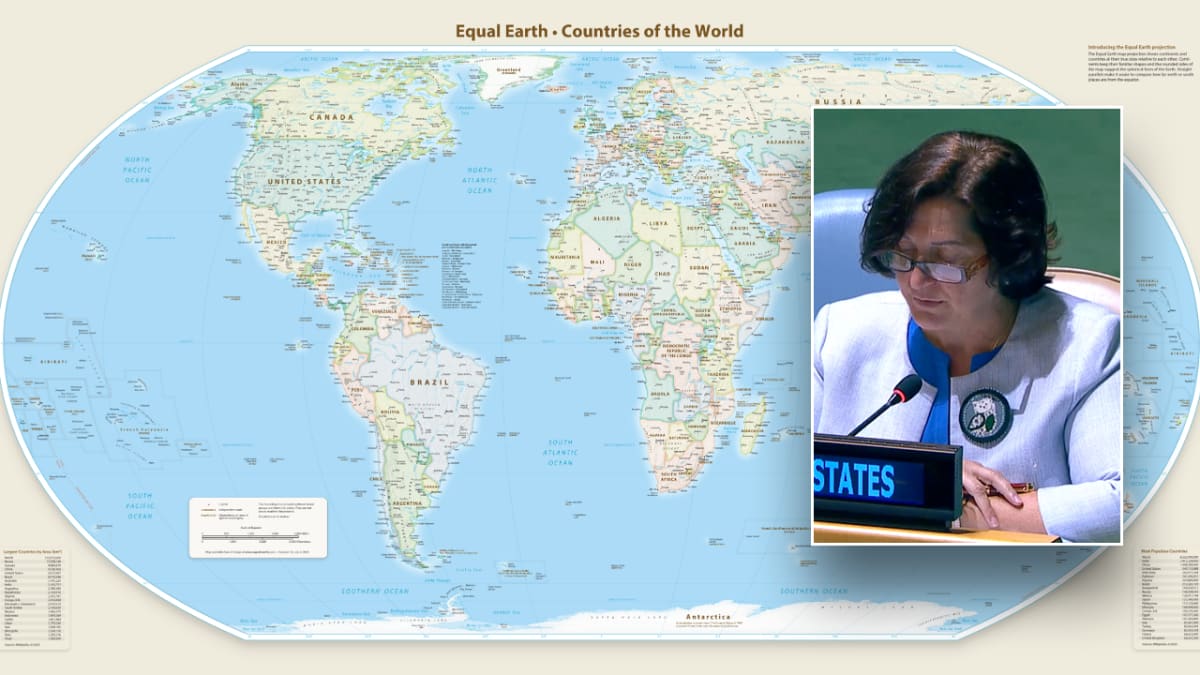
The United Nations General Assembly has now backed the use of maps that show Africa's true proportions. The continent spans 30 million square kilometers, making it the second largest landmass on Earth after Asia, yet the commonly used Mercator projection has shrunk it in our collective imagination.
The Mercator projection was created in 1569 by Flemish cartographer Gerardus Mercator for ocean navigation. It excels at showing accurate angles for sailing but dramatically distorts the size of land masses the farther they sit from the equator. That mathematical quirk has made Africa, which straddles the equator, appear much smaller than regions closer to the poles like Europe and North America.
This isn't just about correcting a technical error. Maps shape how we see the world and value different places. When generations learn geography from maps that minimize Africa, those visual messages can subtly influence how people perceive the continent's importance on the global stage.
Africa holds more than 50 countries and over a billion people. It contains vast agricultural lands, mineral wealth, renewable energy potential, and the world's youngest and fastest growing population. The continent plays an increasingly vital role in discussions about climate change, food security, and the future global economy.
The Ripple Effect
Educational authorities across Africa now have a powerful opportunity to update what children learn in schools. Replacing distorted maps with accurate projections means the next generation will grow up understanding Africa's true geographical weight in the world.
Ghana and other African nations are being encouraged to lead this transition in classrooms, textbooks, and public institutions. The change won't industrialize economies or create jobs overnight, but representation creates the foundation for how we understand our place in the world.
Equal area projections reveal what has always been true but often hidden. Africa hasn't suddenly grown larger; the world is simply being invited to see what was there all along.
More Images
Based on reporting by Google News - Ghana Development
This story was written by BrightWire based on verified news reports.
Spread the positivity!
Share this good news with someone who needs it