UN Chief: Reparations Key to Ending Systemic Racism
The UN's top human rights official called reparatory justice essential for dismantling racism rooted in slavery and colonialism. Countries and institutions are taking steps forward, including issuing apologies and returning cultural artifacts.
Global leaders are recognizing that healing historical wounds requires more than words. The UN High Commissioner for Human Rights told world representatives this week that reparations for colonialism and the enslavement of Africans are essential to ending systemic racism that persists today.
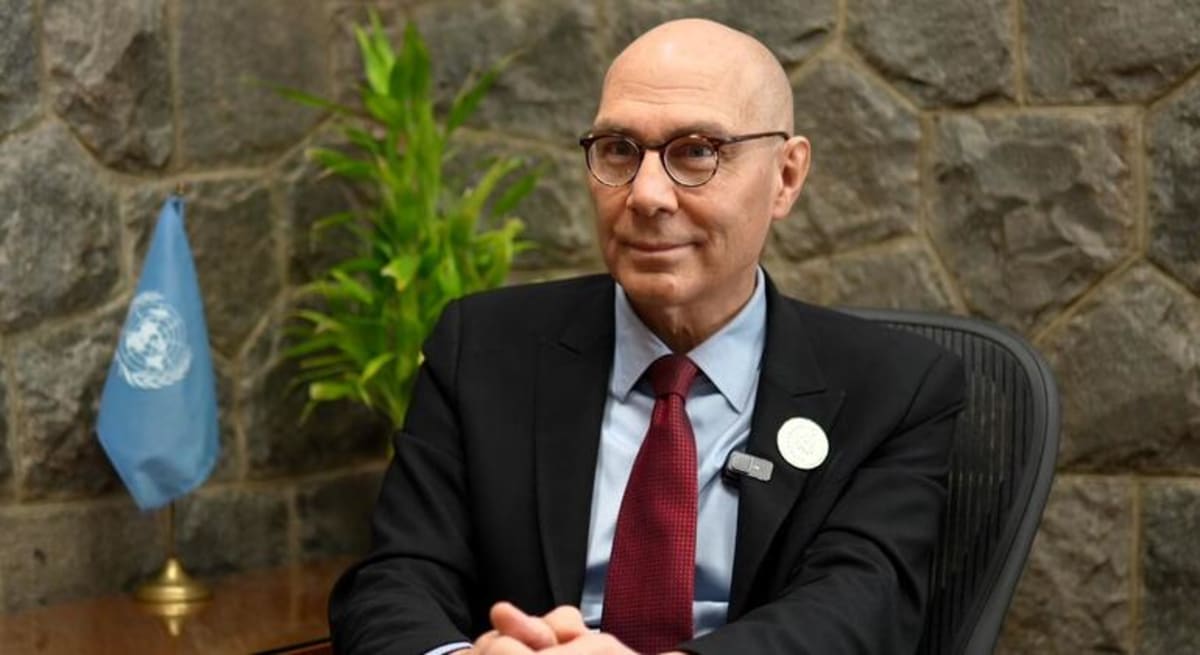
Volker Türk addressed the UN Permanent Forum on People of African Descent, celebrating real progress made over recent decades. Countries have passed anti-discrimination laws, created independent human rights institutions, and begun taking concrete steps toward reparatory justice.
Some governments and institutions have issued formal apologies for their roles in slavery and colonialism. Others are returning cultural artifacts stolen during colonial periods, acknowledging the importance of restoring heritage to communities.
In March, the UN General Assembly passed a resolution declaring the transatlantic slave trade the gravest crime against humanity. This formal recognition marks an important milestone in acknowledging historical injustices and their lasting effects.
The forum highlighted specific wins, including the Ogiek indigenous peoples receiving reparations from the African Court on Human and People's Rights. These victories show that international justice systems are beginning to address long-standing grievances.
Young people of African descent are increasingly included in decision-making processes that affect their communities. Civil society groups are gaining seats at tables where policies are shaped, bringing diverse voices into important conversations.
The Ripple Effect
When institutions acknowledge historical wrongs and take action, they create templates others can follow. Each apology issued, each artifact returned, and each reparation paid demonstrates that accountability is possible and necessary.
These actions also validate the experiences of communities who have long sought recognition. Formal acknowledgments from governments and international bodies help shift public understanding and create momentum for further change.
The work continues at this year's forum, where panels are examining how to advance reparatory justice through practical measures. Discussions focus on youth rights, cultural restoration, and building on the 25-year-old Durban Declaration, the most comprehensive global framework for combating racism.
Progress toward racial justice strengthens societies for everyone, creating fairer systems that benefit all communities.
---
More Images
Based on reporting by UN News
This story was written by BrightWire based on verified news reports.
Spread the positivity!
Share this good news with someone who needs it
%2Fhttps%3A%2F%2Ftf-cmsv2-smithsonianmag-media.s3.amazonaws.com%2Ffiler_public%2F15%2F3b%2F153b5427-10f9-4ad6-b039-8823a36efc6f%2Fhd100065orig.jpg)