UN Economists Push Dashboard to Measure National Wellbeing
Two major reports are helping countries rethink how they measure success beyond just money. The approach focuses on whether nations are leaving enough resources and opportunities for future generations to thrive.
What if countries measured success not by how rich they get, but by what they leave behind for their children?
Two groundbreaking reports published this year are helping nations answer that question. In May, a United Nations group of economists released recommendations for countries to move beyond gross domestic product as the sole measure of success. Instead, they propose a dashboard of indicators tracking sustainable wellbeing.
The shift addresses a fundamental question of fairness. Are governments leaving more wealth or less for future generations?
The concept builds on ideas dating back to 1776, when economist Adam Smith defined a nation's wealth not as money but as capital: machines, buildings, land, and the skills of its people. Smith believed that disturbing others' happiness for our own benefit would be "intolerable" to any fair observer, including future generations.
Modern economists call this intergenerational justice. The idea is simple: each generation should preserve what it inherits and add to it, whether that means maintaining roads and bridges or investing in education and natural resources.
Why This Inspires
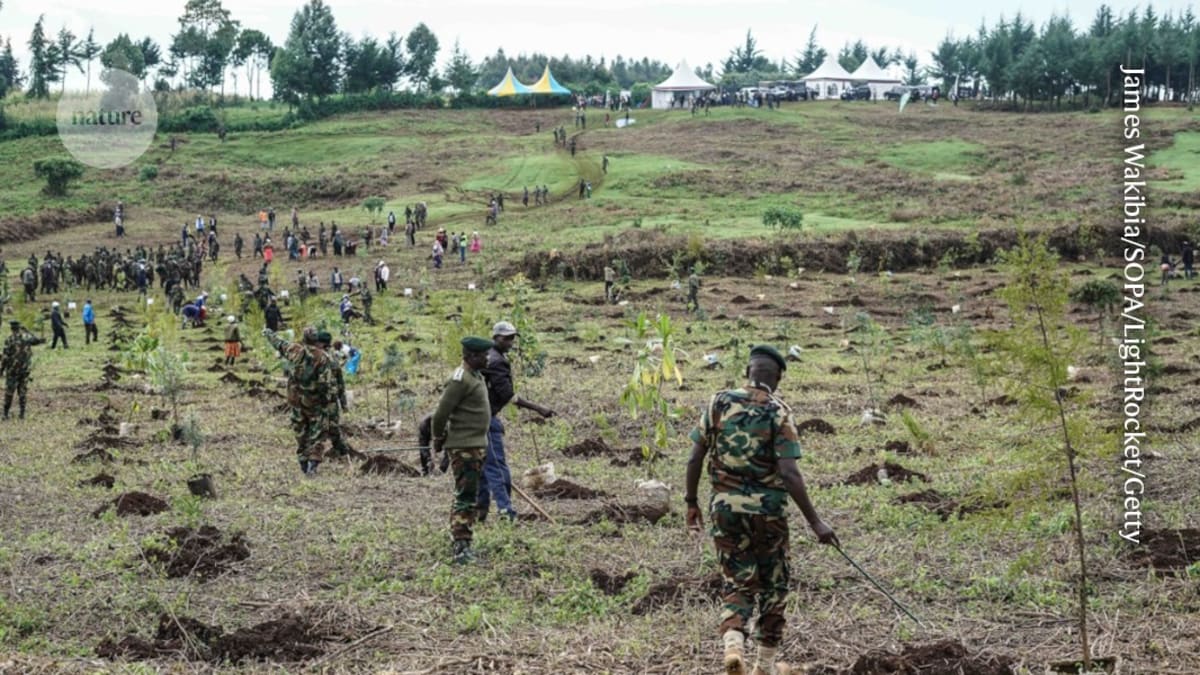
Countries around the world are already putting these ideas into practice. Kenya is restoring thousands of hectares of degraded forests, improving the land for those who come next. These reforestation efforts show how nations can grow their economies while enriching rather than depleting their natural wealth.
The approach expands the definition of capital beyond buildings and machines. It includes human capital like education and skills, and natural capital like forests, clean water, and healthy soil. When countries track all three types together, they get a clearer picture of whether they're truly progressing or just borrowing from tomorrow.
Researchers refer to this fuller accounting system as inclusive national wealth. It measures whether the total stock of resources available to create prosperity is growing or shrinking.
The framework helps resolve tensions between economic growth and environmental protection. The real question isn't whether economies should grow faster or slower, but whether that growth comes at the expense of future generations.
Political philosopher John Rawls captured the challenge decades ago: each generation must preserve what it inherits and set aside suitable capital for those who follow. The new economic tools finally make that principle measurable.
Countries adopting these broader measures can see whether their policies truly create lasting prosperity or simply shift costs to their grandchildren.
More Images



Based on reporting by Nature News
This story was written by BrightWire based on verified news reports.
Spread the positivity!
Share this good news with someone who needs it