UN Scales Up Aid for 186,000 After Colombia Earthquake
The United Nations is mobilizing food, shelter, and medical support for more than 100,000 people following last week's devastating 7.4-magnitude earthquake in western Colombia. Despite immense challenges, the outpouring of community solidarity and coordinated international response shows how humanity comes together in crisis.
When disaster strikes, the world's capacity for compassion grows even larger. Just days after a massive earthquake shook western Colombia, the United Nations and local communities are working side by side to bring hope to 186,000 affected people across 15 departments.
The 7.4-magnitude quake destroyed more than 26,500 homes and damaged 1,631 schools, leaving 75,000 students without safe places to learn. But the response has been just as powerful as the disaster itself.
The World Food Programme delivered food assistance to over 2,000 people in Pereira and Quibdó in a single day on Sunday. The agency is now expanding operations across the region, using existing supply networks in Cali, Quibdó and Medellín to reach families who lost everything.
What makes this response special is how it adapts to each community's unique needs. In remote areas where landslides cut off access and markets have collapsed, teams are bringing direct food aid. In cities where shops are reopening, they're providing cash assistance so families can buy what they need while supporting local businesses trying to rebuild.
Nils Grede, WFP Country Director in Colombia, captured the moment perfectly. "The solidarity shown in the immediate aftermath of the earthquake has been extraordinary," he said, while reminding supporters that recovery takes months, not days.
UNICEF has already distributed hundreds of family hygiene kits in Quibdó and is working to restore safe water access in temporary shelters. Protection teams are creating safe spaces for separated children and providing psychological support to traumatized families.
The challenges remain significant. Sixteen damaged roads and ten collapsed bridges make reaching some communities difficult. Many affected regions were already struggling with food insecurity before the earthquake hit.
The Ripple Effect
This coordinated response goes beyond emergency aid. The UN Development Programme is using satellite imagery to map damage and help communities plan smarter rebuilds. The International Organization for Migration is protecting vulnerable displaced families from trafficking attempts by criminal networks.
Health teams, shelter experts, water specialists, and education coordinators are collaborating in five hard-hit cities. Each organization brings different strengths, creating a safety net that catches people at their most vulnerable and lifts them toward recovery.
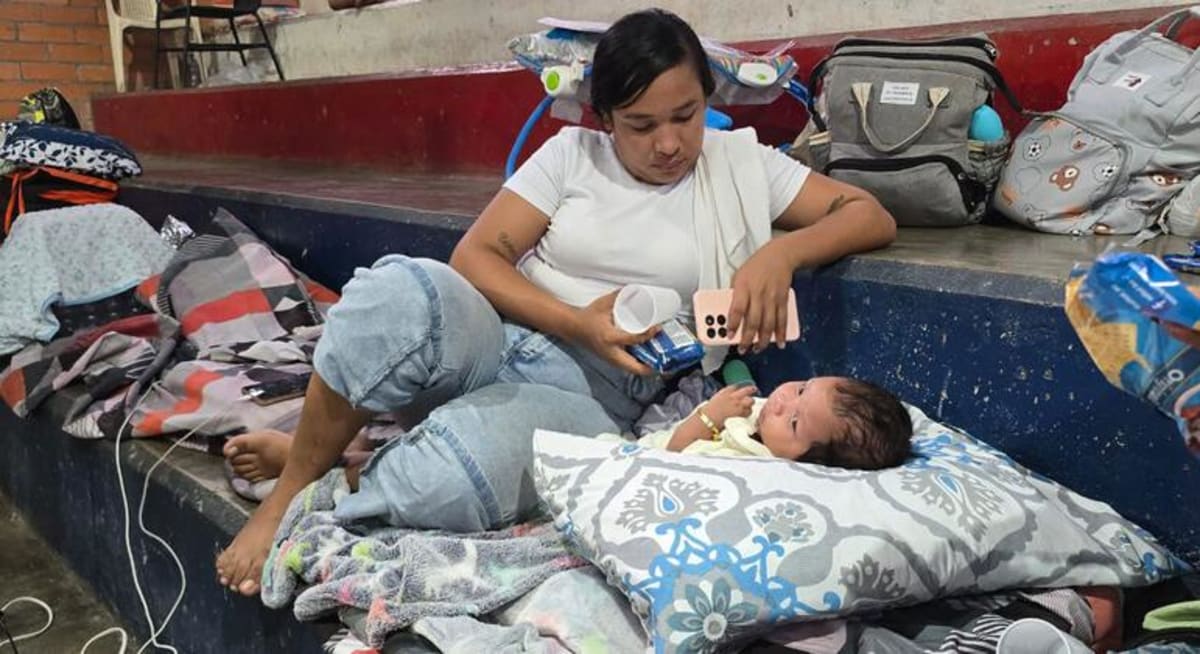
The boxing coliseum in Quibdó now serves as a temporary home for displaced families. Schools are being assessed for safety. Mobile storage units stand ready with additional supplies from Panama.
Local solidarity has been extraordinary, with communities, businesses and individuals stepping up immediately. Now, sustained international support is transforming that initial compassion into long-term recovery, proving that even after the earth shakes, human kindness stands firm.
Based on reporting by UN News
This story was written by BrightWire based on verified news reports.
Spread the positivity!
Share this good news with someone who needs it