New UN Report Proves Journalism Saves Lives in Disasters
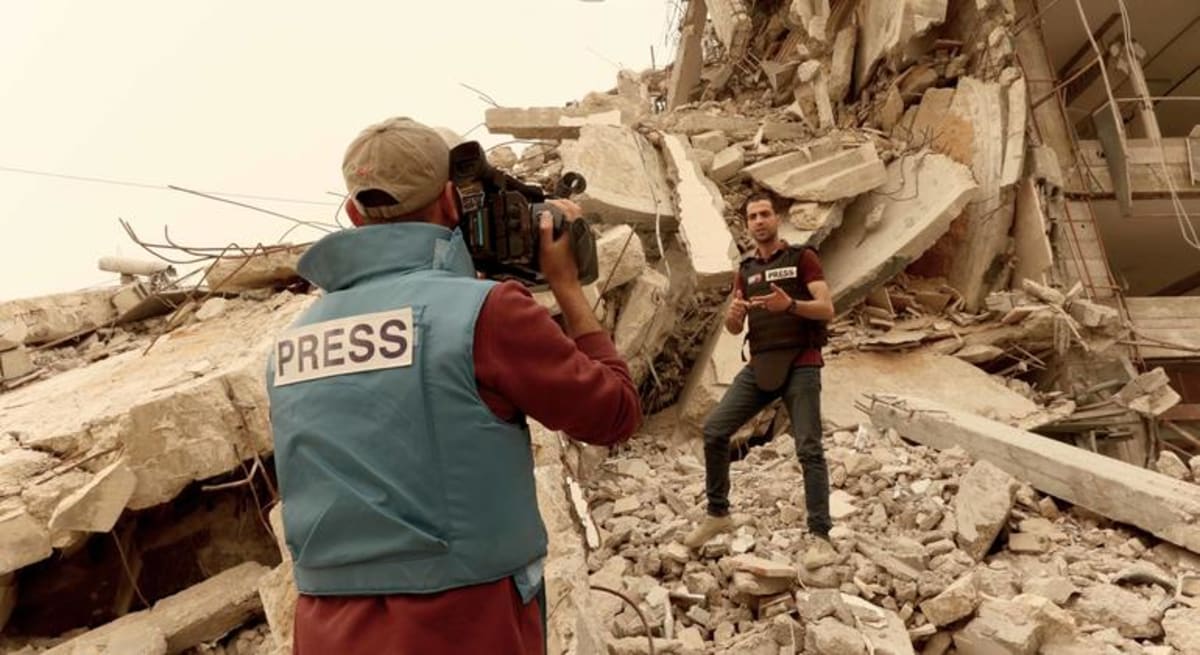
A single newspaper article on a disaster generated $500,000 in official aid, proving what a new UN report confirms: good journalism literally saves lives. From earthquake preparedness to fighting deadly misinformation, trusted news coverage makes communities safer and disaster responses more effective.
One New York Times article about a disaster brought in an additional half million dollars in official aid. That remarkable finding is just the beginning of what a groundbreaking UN report reveals about how journalism saves lives.
UNESCO released new research on Tuesday showing that trusted news coverage does far more than inform. It strengthens disaster preparedness, holds governments accountable, and acts as a powerful antidote to the fake news that costs lives.
The numbers tell an incredible story. In Burkina Faso, radio programs about infant health risks reduced deaths of children under five by 7.15 percent each year, saving an estimated 2,967 young lives. The programs taught caregivers to recognize symptoms of malaria, pneumonia, and diarrhea, dramatically increasing the rate at which they sought medical help.
Investigative journalism sparks real change too. A Los Angeles Times campaign led to new building codes that made California's largest city more earthquake resilient. In Thailand, reporting on wastewater discharge from a landfill site prompted authorities to take action, while investigations into illegal sand mining in Uganda resulted in a nationwide ban.
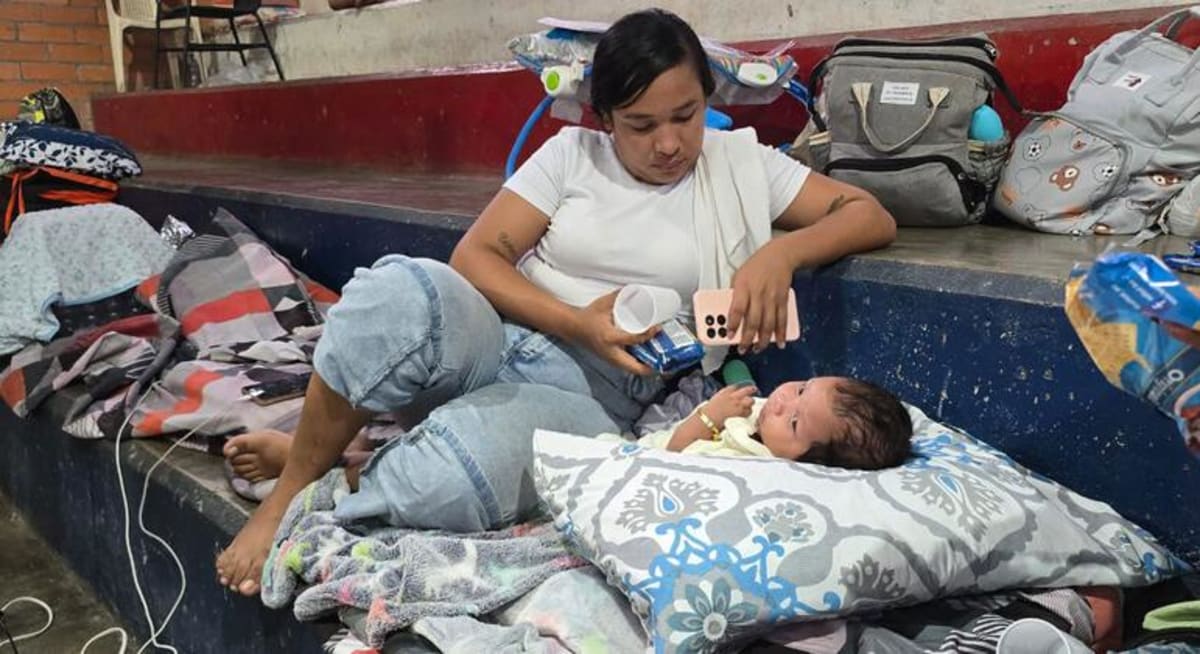
The report draws on research across 152 countries, linking greater press freedom with lower risks of conflict, repression, and human rights violations. When disasters strike, radio and news coverage help families find lost loved ones, encourage children to return to school, and spread critical information about safety, hygiene, and clean water to prevent disease outbreaks.
False information, meanwhile, carries devastating costs. During COVID-19, disinformation led to nearly 2.3 million cases and 66,000 hospitalizations in the United States alone in 2021. The false narratives resulted in $2 billion in extra hospitalization costs and 45,000 avoidable deaths.
In Nigeria, radio content designed to address COVID-19 misinformation helped regular listeners identify and challenge false narratives. Trusted journalism became the crucial counter to rumors that undermined communities' ability to prepare, respond, and rebuild.
The Ripple Effect
Good reporting creates waves of generosity and reform. British journalist Michael Buerk's 1984 BBC reporting from Ethiopia raised more than $200 million for famine relief. A Turkish photojournalist's 2015 image of drowned child Alan Kurdi led to a 50-fold increase in funding to some NGOs working on the Syrian refugee crisis.
Investigative journalism also keeps the aid sector honest. The #AidToo scandal reporting revealed abuse of power in Haiti and prompted major reforms at organizations including Oxfam and Save the Children.
When journalists do their jobs well, the impact extends far beyond informing the public to transforming how communities survive, recover, and thrive.
More Images
Based on reporting by UN News
This story was written by BrightWire based on verified news reports.
Spread the positivity!
Share this good news with someone who needs it