University Cuts Emissions 56% While Growing 30%
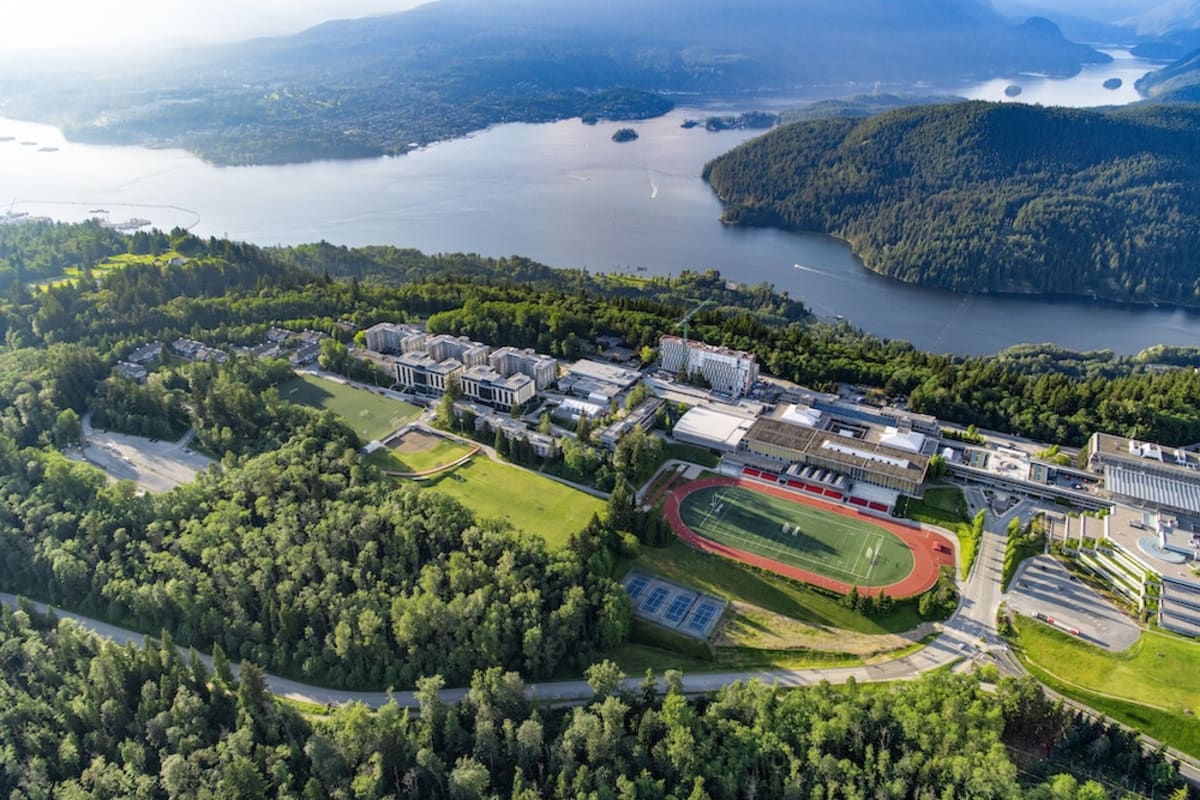
Simon Fraser University has slashed its carbon footprint by more than half since 2007, even while expanding its campus by nearly a third. The achievement puts the Canadian school ahead of both government targets and its own UN climate goals.
Simon Fraser University just proved that growth and sustainability don't have to be enemies.
The British Columbia school has cut greenhouse gas emissions by 56 percent since 2007, beating its 2025 UN Race to Zero target by six percentage points. Here's the remarkable part: the university did this while expanding its building footprint by 30 percent.
The numbers tell a powerful story. SFU now powers 93 percent of its Burnaby campus heating and hot water through a biomass plant fueled by local wood waste. In 2025 alone, the school converted 200 residence units from natural gas to this renewable heating system.
President Joy Johnson credits years of coordinated effort across the entire university community. Strategic energy management, infrastructure upgrades, and smart partnerships made the difference.
One key partnership with Corix transformed energy delivery on Burnaby Mountain. The district energy utility now serves both the campus and the surrounding UniverCity community with low carbon heating.
Money from BC Hydro helped too. Over the past decade, SFU secured $4.3 million in incentive funding to investigate and upgrade building systems. The historic Diamond Alumni Centre got a major efficiency boost in 2024 thanks to CleanBC support.
Smart scheduling played a surprising role. Operations teams started generating heat before demand peaks and optimizing equipment run times, squeezing more efficiency from existing systems.
The Ripple Effect
SFU's climate wins extend beyond carbon numbers. Students from the Sustainable Energy Engineering program gain hands-on experience working alongside facilities staff on real campus projects. They're learning to solve climate challenges while actively reducing emissions.
FortisBC and BC Hydro fund several key positions at the university, including the energy manager and specialists who keep conservation projects moving forward. An eight month co-op position gives students direct experience implementing solutions.
The university isn't stopping here. SFU aims for 85 percent emissions reductions by 2030, net zero direct emissions by 2035, and complete net zero by 2050.
What makes this story special is the proof it offers: institutions can expand while shrinking their environmental impact. SFU added buildings, students, and programs while cutting emissions in half. That's the kind of roadmap other universities and organizations need.
Lisa Sparrow, president of Corix, calls it a testament to the power of partnership. Years of collaboration transformed how energy works on campus, creating a system that accelerates the path to net zero.
One school in British Columbia just showed the world how to grow sustainably.
More Images
Based on reporting by Google News - Emissions Reduction
This story was written by BrightWire based on verified news reports.
Spread the positivity!
Share this good news with someone who needs it