Uruguay Gets 98% of Electricity from Renewable Energy
Uruguay transformed from fossil fuel dependency to nearly 100% renewable electricity in under two decades. The small nation now exports surplus clean energy and offers a blueprint for energy independence.
Less than two decades ago, Uruguay faced an energy nightmare that countries worldwide are experiencing right now with soaring oil prices.
Global fuel costs were spiking in 2008. Drought crippled Uruguay's hydropower plants, causing blackouts and skyrocketing electricity bills for the nation's 3.4 million people.
The government called on physicist Ramón Méndez Galain to solve the crisis. Dr. Méndez, who had worked on nuclear energy technology, quickly realized nuclear wasn't the answer for Uruguay.
Instead, he led an ambitious pivot to renewables. Today, up to 98% of Uruguay's electricity comes from wind, solar, hydropower, and biomass.
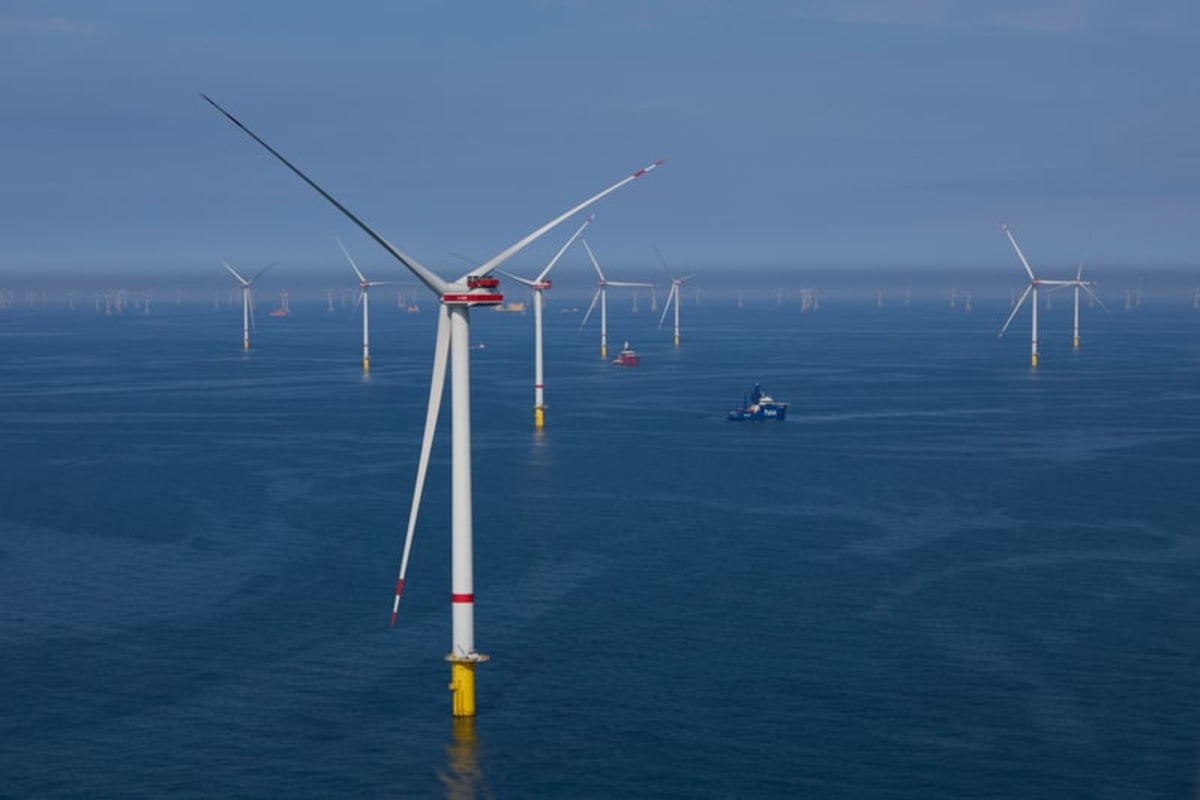
The transformation happened fast and decisively. Uruguay added 1,500 megawatts of wind power alone, enough to power almost every household in the country.
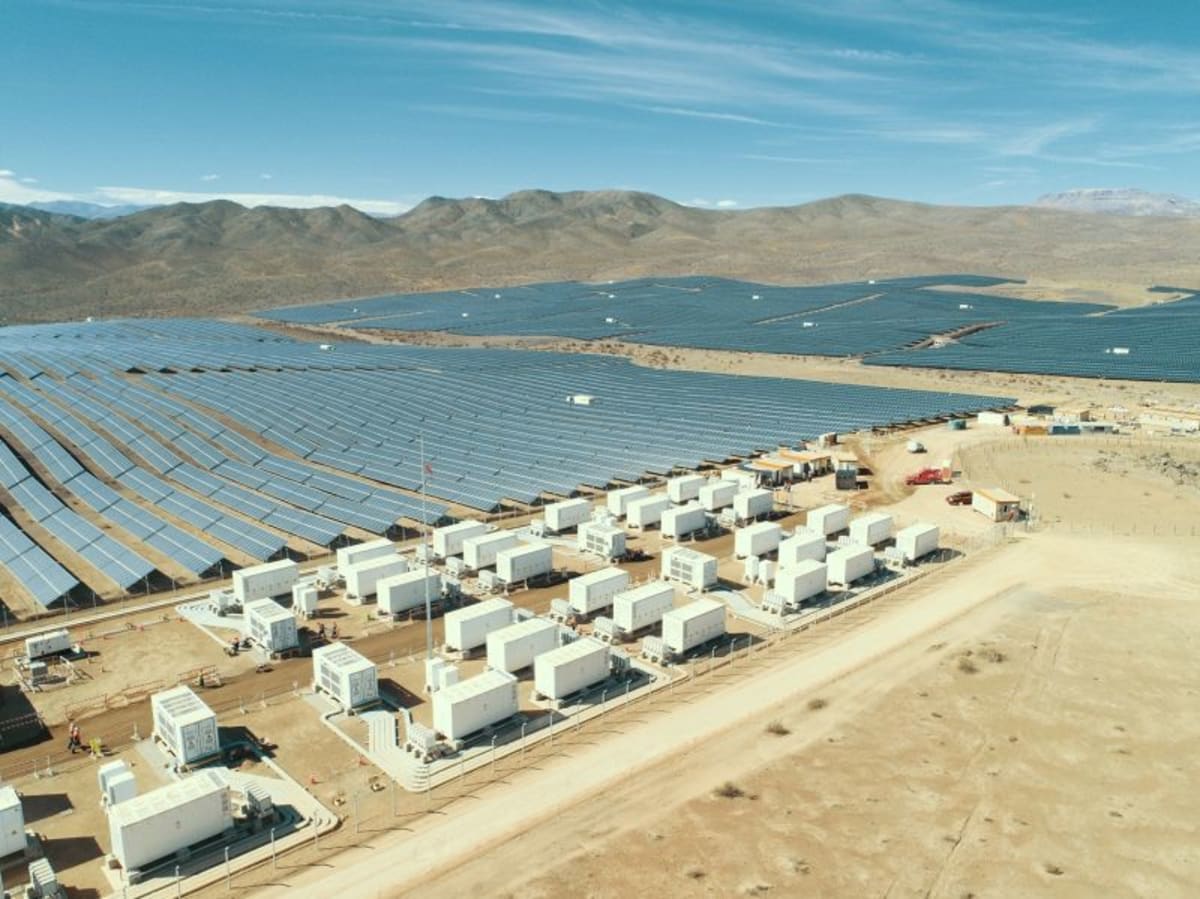
On a recent weekday, wind supplied 56% of the country's electricity, solar 13%, biomass 17%, and hydropower 14%. The country even exports surplus energy to Argentina and Brazil.
The secret wasn't just technology. Uruguay's four main political parties forged an unprecedented agreement in 2010 ensuring energy policy would remain stable regardless of which party held power.
"This was the most important, the definition of a long-term state policy," says Marcelo Mula, vice president of the Uruguayan Association for Renewable Energy.
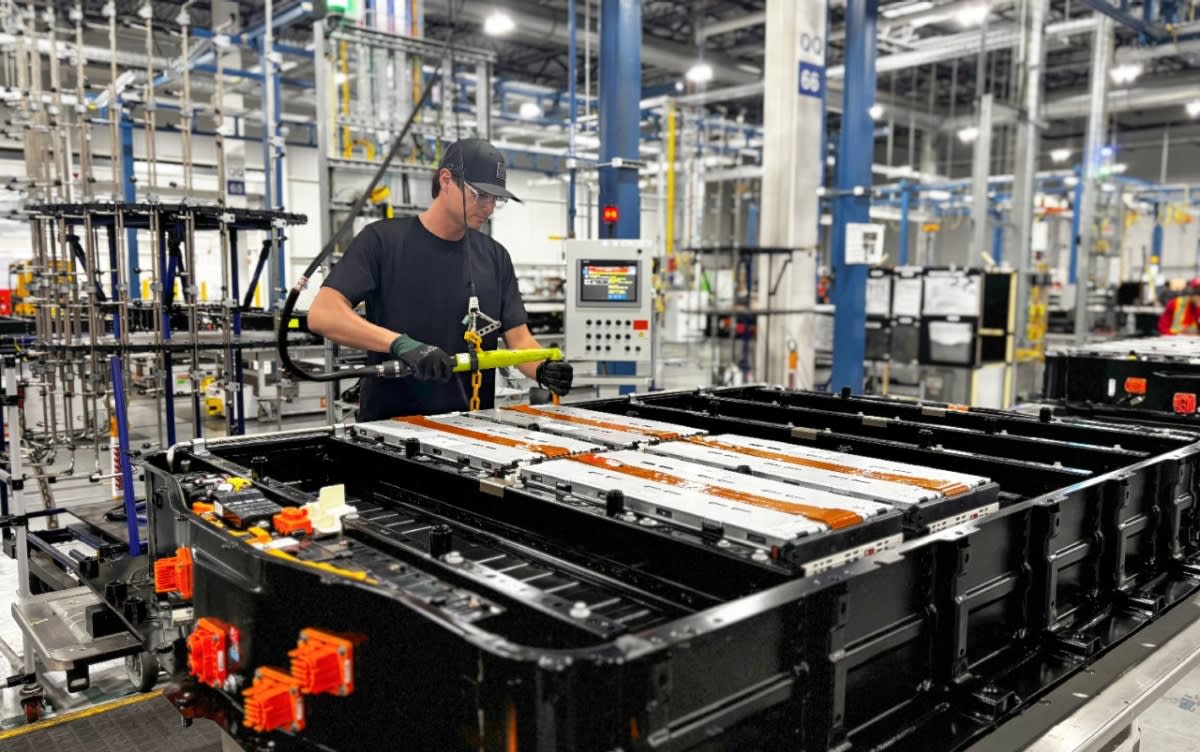
Private companies built most of the renewable infrastructure through $7 billion in investments. Long-term contracts at fixed prices with the state-owned utility company made the deals attractive without requiring massive government spending.
The Ripple Effect
The benefits extended far beyond keeping the lights on. The transition created 50,000 new jobs and slashed electricity production costs.
Companies like Google have since chosen Uruguay for operations specifically because of its clean energy. "The transition had a tremendously positive impact on the whole economy, not just the power sector," Dr. Méndez says.
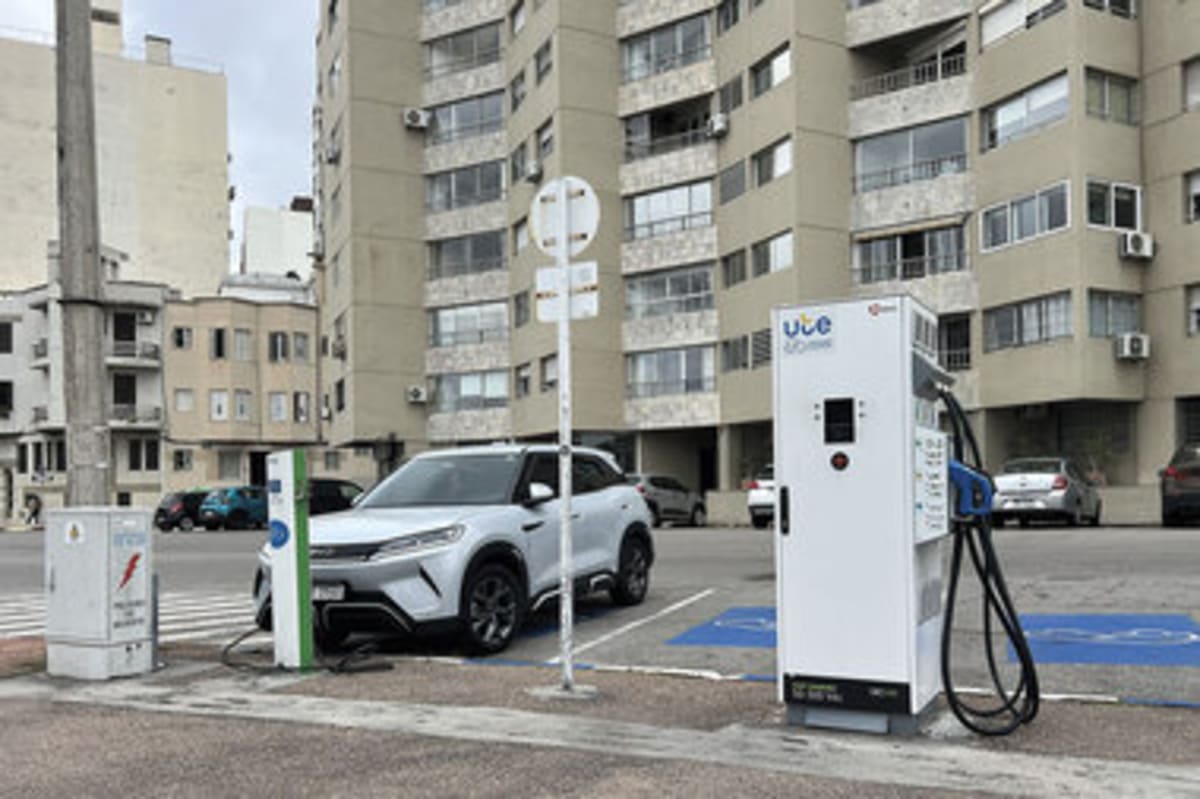
Adriana Inthamoussu, who grew up during the blackout era of the 1970s, remembers being sent to bed early when power failed. "That doesn't happen anymore," she says while charging her electric vehicle at a station near Montevideo's waterfront.
The shift required changing minds before changing infrastructure. José Cataldo, who mapped Uruguay's wind potential in the early 2000s, faced skepticism. "There were some meetings where people would look at me with a face that said, 'This guy is crazy,'" he recalls.
Dr. Méndez now runs an organization advising other governments on following Uruguay's path. He emphasizes that each country has unique drivers beyond climate concerns, whether energy sovereignty, import costs, or supply security.
As global energy markets face new volatility, Uruguay's two-decade transformation proves that small nations can achieve energy independence through political consensus and smart policy.
More Images

Based on reporting by Google News - Clean Energy
This story was written by BrightWire based on verified news reports.
Spread the positivity!
Share this good news with someone who needs it