U.S. and Iran Agree to 2-Week Ceasefire for Peace Talks
After weeks of escalating conflict, the United States and Iran have agreed to a two-week ceasefire and reopening of the Strait of Hormuz, creating space for diplomatic negotiations. Iran has proposed a 10-point peace plan that both sides say offers a workable path forward.
Just hours before a threatened deadline, the United States and Iran stepped back from the brink of devastating conflict and chose the path of peace instead.
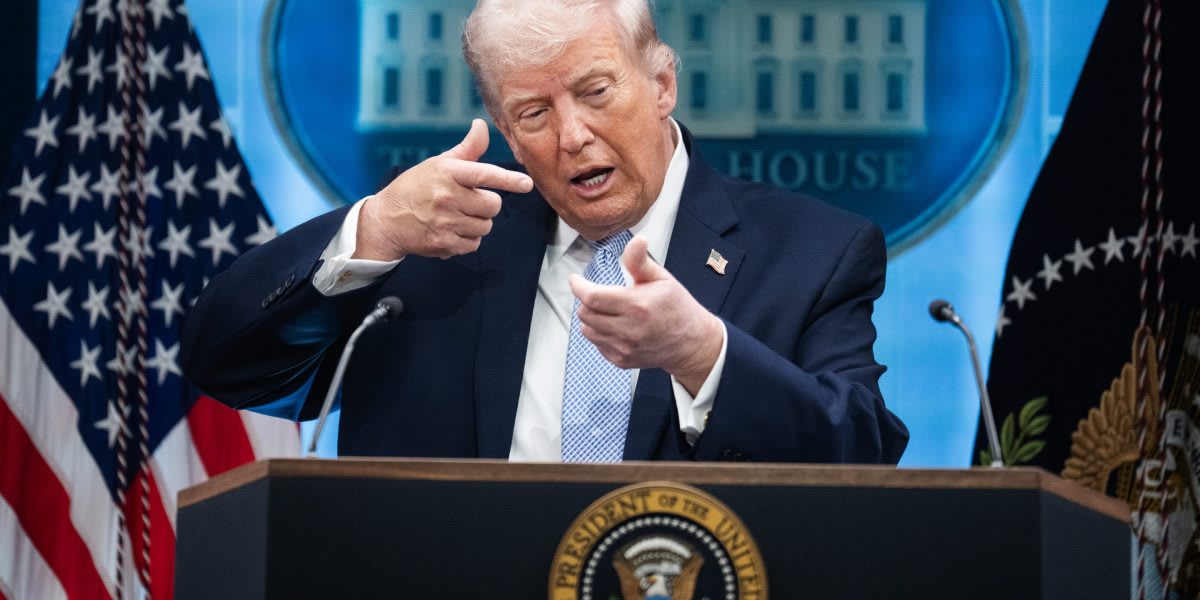
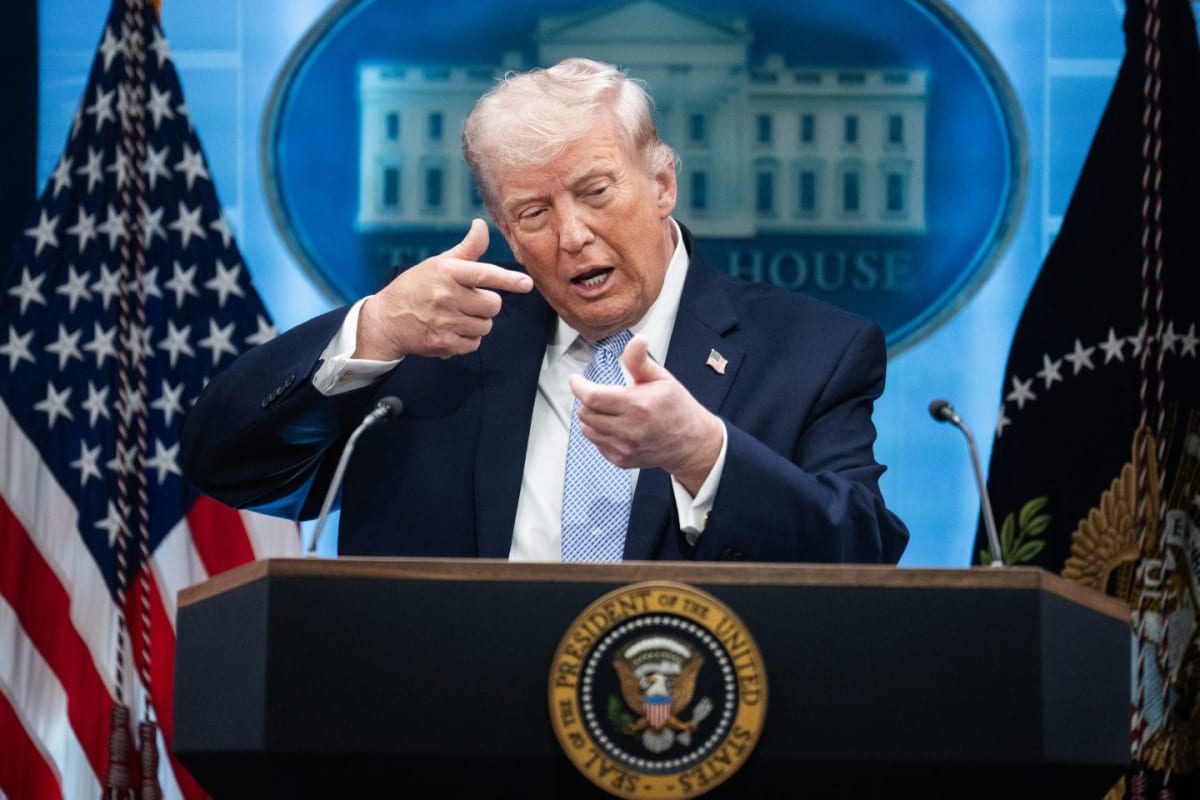
President Trump announced late Tuesday he would suspend planned strikes on Iran after accepting a proposal for a two-week ceasefire. The agreement includes Iran's commitment to reopen the Strait of Hormuz, the vital waterway that carries one-fifth of the world's oil during peacetime.
Iran's Supreme National Security Council confirmed it accepted the ceasefire and will begin peace negotiations with the United States in Islamabad this Friday. The decision comes after intensive diplomatic efforts led by Pakistan's Prime Minister Shehbaz Sharif and Army Chief Gen. Asim Munir.
Trump described Iran's 10-point peace proposal as "workable" and said most points of past disagreement have already been resolved. The two-week period will allow both sides to finalize and complete a comprehensive agreement.
Pakistan's diplomatic team has been working around the clock to broker peace between the two nations. Their persistence in urging both sides to extend deadlines and give diplomacy a chance appears to have paid off.
The ceasefire brings immediate relief to global oil markets and shipping lanes. The Strait of Hormuz's closure since late February had disrupted worldwide commerce and threatened economic stability across multiple continents.
The Ripple Effect
This breakthrough affects far more than just two nations at odds. The reopening of the Strait of Hormuz will stabilize global oil supplies and ease economic pressure on families worldwide who've seen prices rise.
Regional neighbors in the Gulf can breathe easier as the threat of expanded conflict recedes. Countries like Saudi Arabia that faced Iranian strikes during the conflict now have hope for lasting regional stability.
The choice of Islamabad for negotiations highlights Pakistan's growing role as a peacemaker on the world stage. Their success in bringing both sides to the table demonstrates that patient, persistent diplomacy still works even in the most tense situations.
Millions of ordinary Iranians who faced the threat of infrastructure attacks can return to their normal lives. Teachers, students, and families no longer need to fear for basic services like electricity and water.
The agreement shows that even when deadlines loom and rhetoric escalates, nations can still choose dialogue over destruction. Both sides recognized that continuing down the path of conflict served neither country's interests.
While the ceasefire doesn't end the war permanently, it creates the space needed for cooler heads to prevail. Two weeks may seem short, but it's enough time for skilled negotiators to build on the progress already made.
The world watched anxiously as tensions mounted, but diplomacy won the day when it mattered most.
More Images


Based on reporting by Google News - Peace Agreement
This story was written by BrightWire based on verified news reports.
Spread the positivity!
Share this good news with someone who needs it