U.S. and Iran Agree to 60-Day Peace Roadmap in Switzerland
After years of tension, the United States and Iran reached a breakthrough agreement in Switzerland to establish a framework for peace within 60 days. The talks represent the first high-level negotiations in years, with both sides committing to end military operations and prevent conflicts in critical shipping lanes.
Diplomats from the United States and Iran shook hands in Switzerland this week, agreeing to a 60-day roadmap that could end one of the world's most dangerous conflicts and bring stability to a region that's seen too much war.
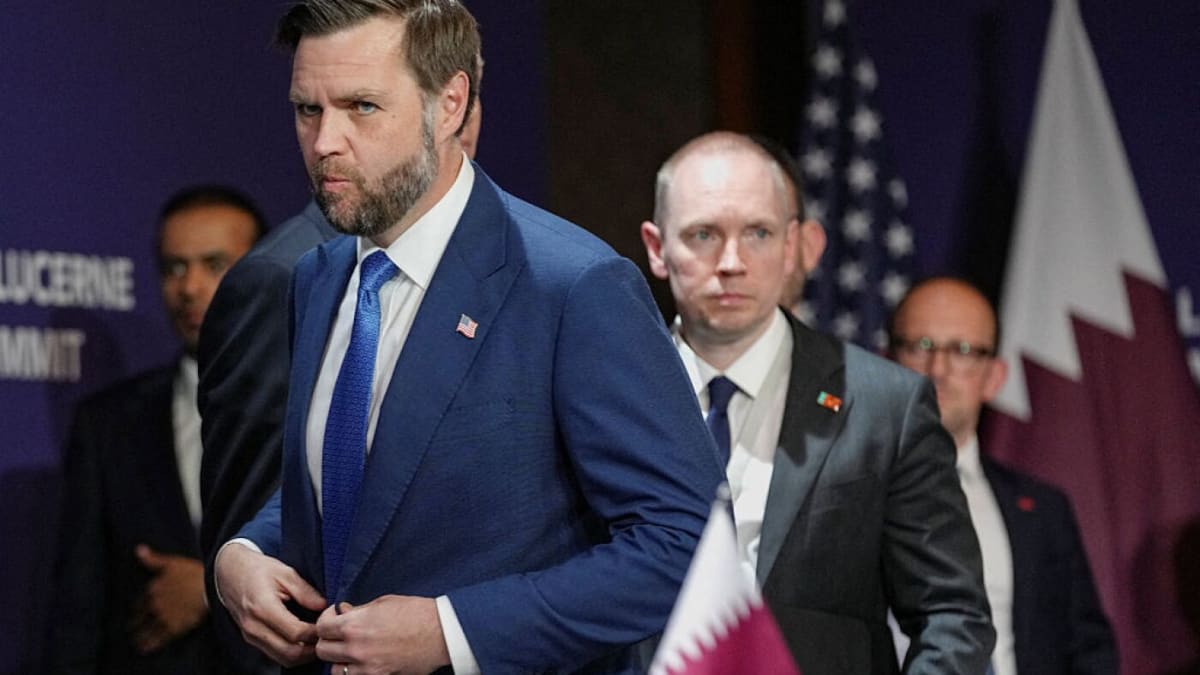
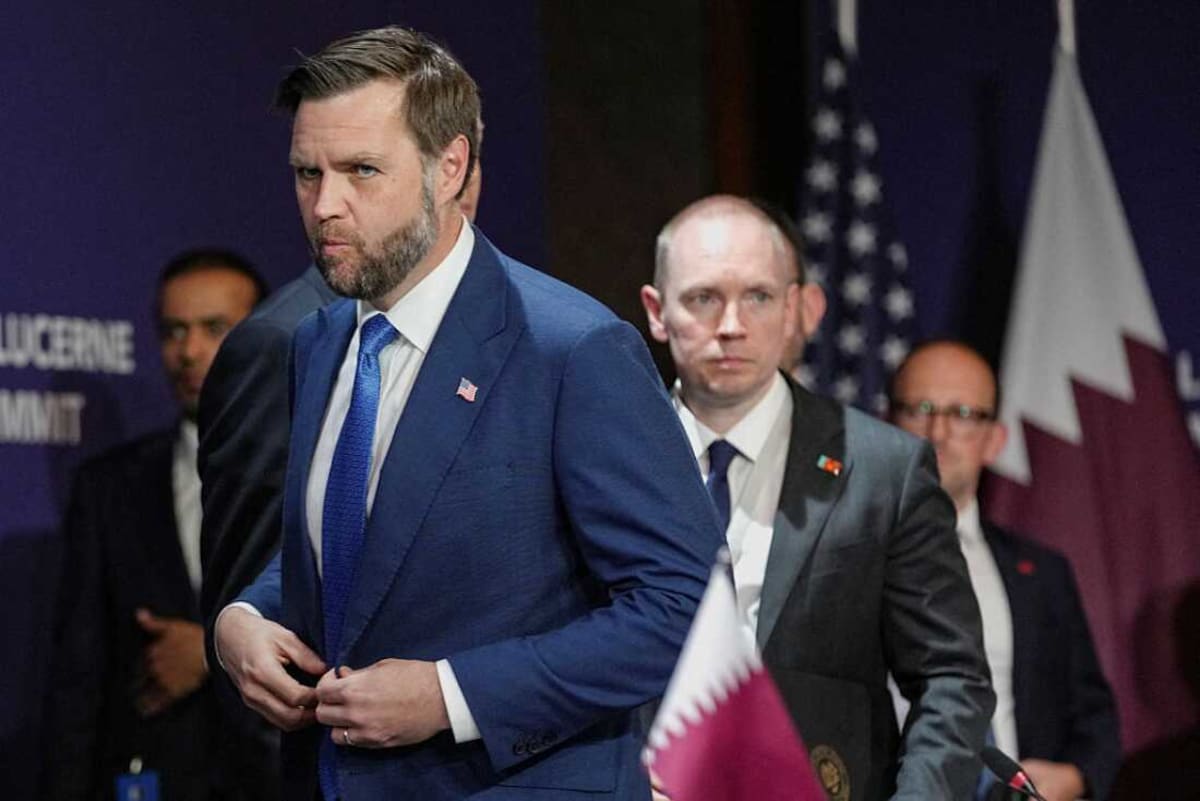
Vice President JD Vance led American negotiators in the historic talks near Lake Lucerne, joined by Iranian officials and mediators from Qatar and Pakistan. The weekend meetings produced concrete commitments: both nations will establish a direct communication line to prevent incidents in the Strait of Hormuz, where about 20% of the world's oil passes through daily.
The agreement goes beyond preventing naval conflicts. Iran and the U.S. committed to creating a special committee focused on nuclear monitoring and lifting sanctions, addressing issues that have strained relations for decades.
Iran's foreign minister Abbas Araghchi announced that oil and fuel exports will resume, economic blockades will lift, and frozen assets will be released to fund reconstruction projects. These changes mean real economic relief for ordinary Iranians who've struggled under sanctions for years.
The talks also produced a framework to end fighting in Lebanon, where Iranian-backed groups and Israeli forces have clashed repeatedly. Both sides called this the "first real test" of whether the peace process can deliver results on the ground.
Technical experts will now begin detailed negotiations on implementing the agreement. A U.S. diplomat involved in the talks described "robust discussions on all elements" and expressed optimism about using this progress as a foundation for ongoing work.
The breakthrough didn't come easily. President Trump posted threats on social media even as his vice president sat across from Iranian negotiators, and fighting continued in Lebanon throughout the weekend talks.
The Ripple Effect
This agreement could transform life for millions across the Middle East. Families in Lebanon may finally see an end to bombardments that have killed civilians and destroyed homes. Iranian citizens could access medicine and goods that sanctions have made scarce. Global shipping companies and their crews will navigate the Strait of Hormuz with less fear of military confrontation.
Pakistan's Prime Minister Shehbaz Sharif and Qatar's diplomatic team played crucial mediating roles, proving that patient diplomacy can bridge even the deepest divides. The International Atomic Energy Agency's participation signals serious commitment to transparency on nuclear issues that have fueled mistrust for years.
Vance told reporters the talks were "a little bit messy" but emphasized that "we've already made great progress." His willingness to sit down with Iranian counterparts, despite domestic political pressure and active tensions, shows that dialogue remains possible even in the darkest moments.
The next 60 days will test whether promises made in Swiss conference rooms can translate into peace in Lebanese villages, open shipping lanes, and renewed hope for a region exhausted by conflict.
More Images


Based on reporting by Google News - Peace Agreement
This story was written by BrightWire based on verified news reports.
Spread the positivity!
Share this good news with someone who needs it