US and Iran Pause Conflict for Two-Week Peace Talks
The United States and Iran have agreed to a two-week ceasefire after Pakistan's leaders helped broker a pause in military action. Both nations are now working toward a long-term peace agreement that could end decades of tension.
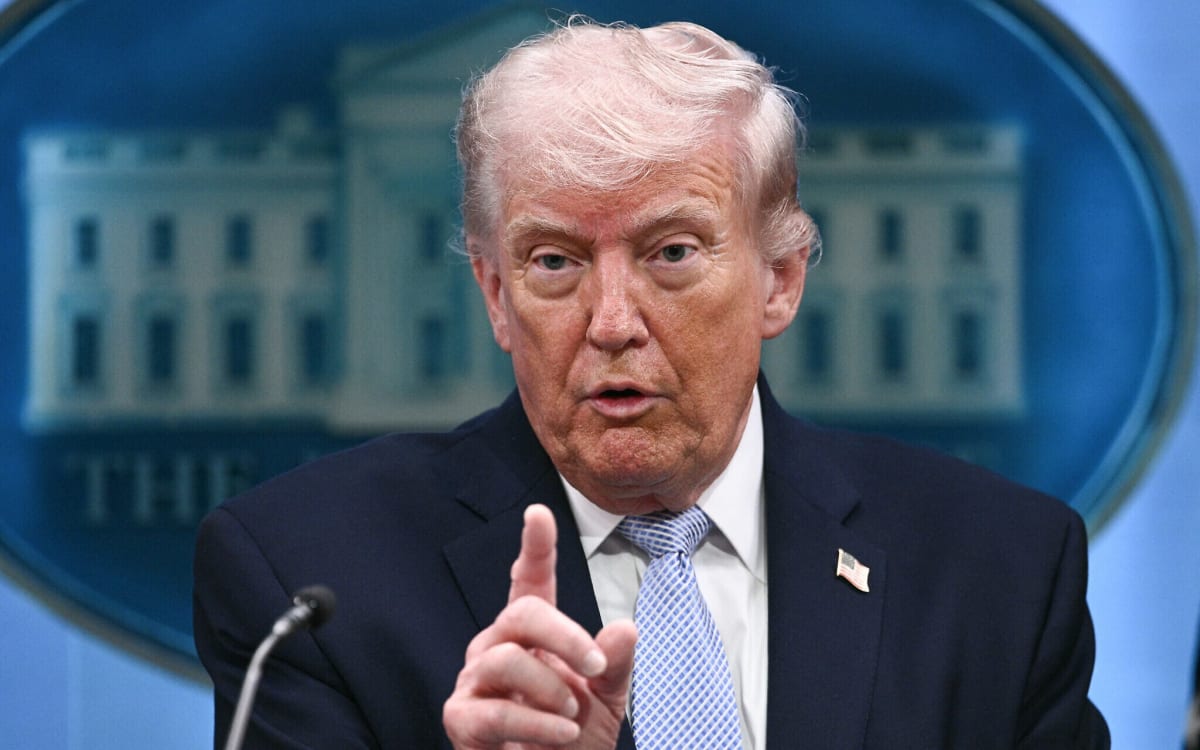
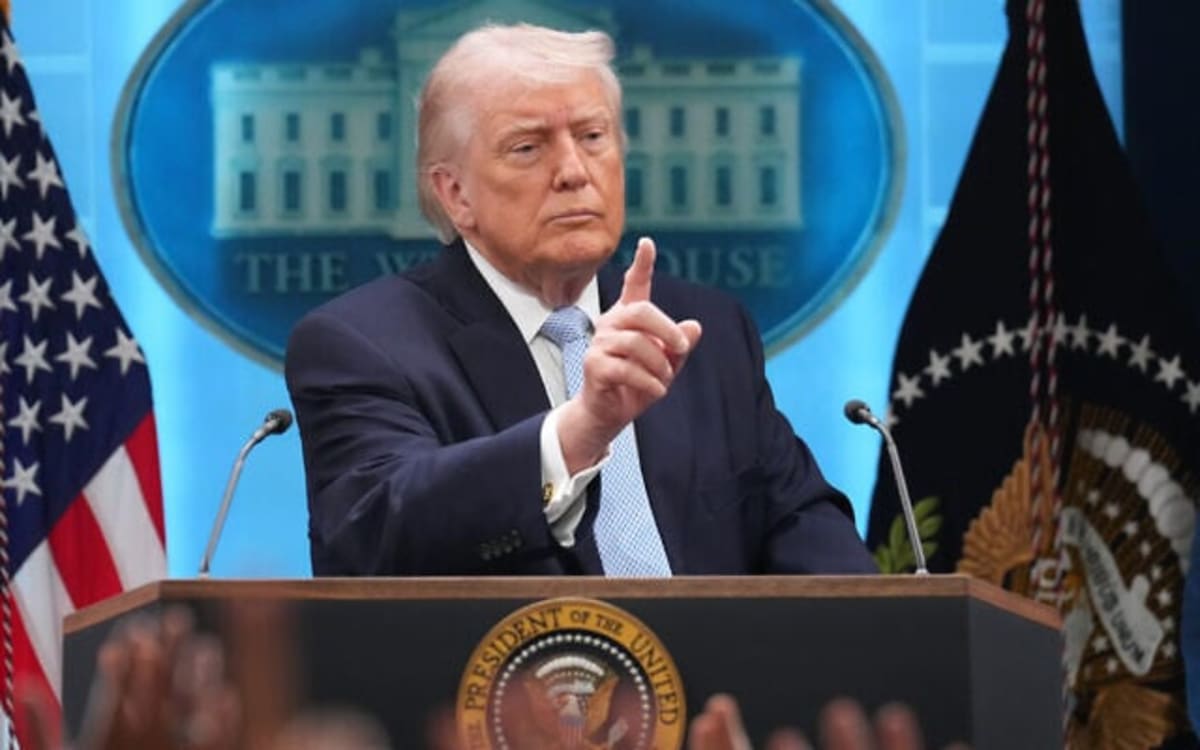
After weeks of escalating threats, the United States and Iran are stepping back from the brink of war to pursue peace. President Donald Trump announced a two-week suspension of planned military strikes, creating space for both nations to finalize an agreement that could reshape Middle East relations.
The breakthrough came just two hours before Trump's deadline for Iran to reopen the Strait of Hormuz, a critical shipping lane for global oil supplies. Pakistan's Prime Minister Shehbaz Sharif and Field Marshal Asim Munir intervened, requesting the United States hold off on planned attacks to give diplomacy a chance.
Iran responded by submitting a 10-point peace proposal that American officials called "a workable basis on which to negotiate." Trump confirmed that negotiators have already resolved most major points of contention between the two countries, which have been adversaries for over four decades.
The temporary ceasefire requires Iran to immediately reopen the Strait of Hormuz to international shipping. In return, the United States will pause all military operations for two weeks while both sides work to finalize the terms of a comprehensive peace deal.
The Ripple Effect
This diplomatic pause represents more than just a temporary break from conflict. It creates the first real opportunity in generations for the United States and Iran to establish a stable, peaceful relationship.
The agreement could have profound implications across the Middle East. A long-term peace deal between Washington and Tehran might ease regional tensions that have fueled conflicts and instability for decades.
Pakistan's role as mediator demonstrates how diplomatic intervention can redirect the course of international disputes. By requesting the pause, Pakistani leaders helped create the conditions for meaningful dialogue.
Trump acknowledged the historic significance of the moment, stating it would be "an honor" to help resolve this longstanding problem. Both sides have agreed to hold in-person talks soon, a significant step after years of communicating only through intermediaries.
The two-week window gives negotiators time to address remaining details and build confidence between nations that have viewed each other with deep suspicion. While challenges remain, the willingness of both sides to pause military action and engage in serious talks offers genuine hope for a peaceful resolution.
More Images


Based on reporting by Google News - Peace Agreement
This story was written by BrightWire based on verified news reports.
Spread the positivity!
Share this good news with someone who needs it