US and Iran Reach Historic Peace Deal After 3-Month War
After more than three months of military conflict, the United States and Iran have agreed to an immediate and permanent end to all fighting, opening a vital shipping route that affects the entire world. The peace deal, brokered by Pakistan, will be officially signed June 19 in Switzerland.
A war that threatened global oil supplies and regional stability is finally over.
The United States and Iran agreed Sunday to an immediate and permanent end to military operations on all fronts, Pakistan announced as mediator of the historic peace talks. The deal comes after more than three months of fighting that began in late February with strikes and counter-strikes between the two nations.
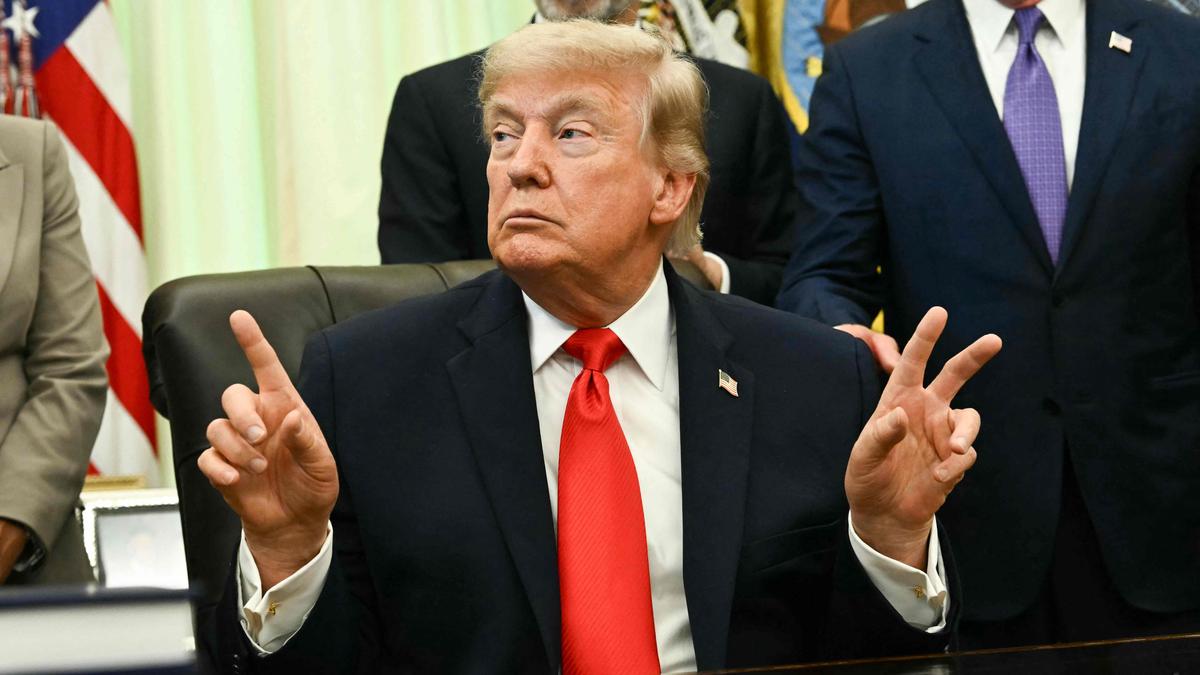
President Donald Trump confirmed the agreement on his 80th birthday, declaring the deal "complete." Pakistani Prime Minister Shebhaz Sharif announced on social media that both countries have agreed to stop all military operations, including fighting in Lebanon.
The conflict had created a global crisis beyond the battlefield. Iran had virtually blocked ship traffic through the Strait of Hormuz, a critical passage for the world's oil and natural gas supplies. The U.S. responded by blockading Iranian ports, creating a standoff that affected shipping worldwide.
With the peace deal, Trump immediately authorized the reopening of the Strait of Hormuz and lifted the U.S. naval blockade. "Ships of the World, start your engines. Let the oil flow!" he announced, signaling relief for global commerce.
The path to peace was not smooth. Just hours before the announcement, tensions flared when Israel struck Hezbollah targets in Beirut suburbs, threatening to derail the entire agreement. Trump publicly criticized the timing of the Israeli strike, which he said delayed the signing.
Iran had insisted from the beginning that any peace agreement must address the parallel conflict in Lebanon, where Israel has been fighting Iran-backed Hezbollah. The final deal includes an end to military operations there as well.
The breakthrough came through intensive diplomatic work led by Pakistan, with support from Qatar, Saudi Arabia and Turkey. The official signing ceremony is scheduled for June 19 in Switzerland, where both nations will formalize their commitment to peace.
The Ripple Effect
This peace agreement reaches far beyond the immediate region. The reopening of the Strait of Hormuz means restored access to roughly one-fifth of the world's oil supply. Countries that rely on energy imports can breathe easier, and global shipping routes are secure again.
The deal also represents a diplomatic victory for Pakistan and other mediating nations, showing that even deeply entrenched conflicts can find peaceful solutions through persistent negotiation. After months of military escalation that included missile strikes and naval blockades, both sides chose dialogue over continued warfare.
The agreement brings immediate relief to Lebanon, where fighting has raged as part of the broader conflict, and to the families of service members who have been deployed in the region for months.
A formal signing ceremony will mark the end of a war and the beginning of a diplomatic relationship that seemed impossible just weeks ago.
Based on reporting by The Hindu
This story was written by BrightWire based on verified news reports.
Spread the positivity!
Share this good news with someone who needs it