U.S. Cancer Deaths Drop 35% Since 1991, Saving 5M Lives
Nearly 5 million Americans are alive today thanks to a stunning 35% drop in cancer deaths over the past three decades. Better screening and breakthrough treatments are turning the tide against one of medicine's toughest fights.
The war on cancer is being won, one life at a time.
Since 1991, cancer death rates in the United States have plummeted by 35%, saving nearly 5 million lives, according to a new report from the American Association for Cancer Research. The dramatic turnaround comes from two powerful forces: more people getting screened early and major advances in how doctors treat the disease.
Increased screening alone prevented 79% of colorectal cancer deaths. During colonoscopies, doctors can spot and remove suspicious polyps before they ever become cancer. It's prevention at its finest.
For cancers already diagnosed, new treatments are giving patients fighting chances they never had before. The progress represents decades of research, billions in funding, and countless researchers refusing to give up.
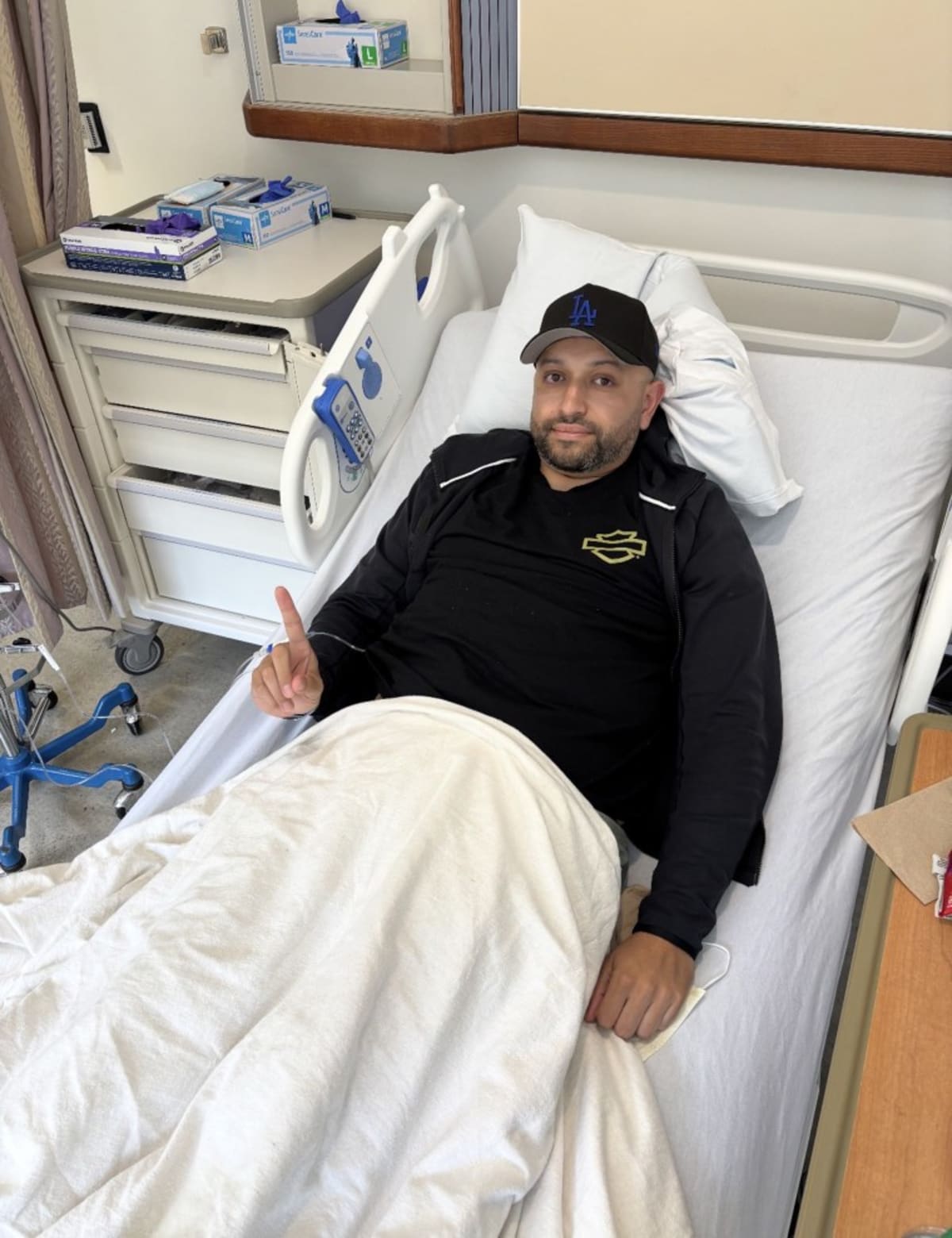
Alex Valdez knows firsthand how early detection saves lives. At just 38 years old, he went in for a routine colonoscopy to monitor other health conditions. Doctors discovered a 7-centimeter tumor that had likely been growing for nearly two years without symptoms.
"A lot of people are under the misconception that they don't need to get a colonoscopy until their mid-40s," Valdez said. "But it happened to me at 38." Thanks to catching it during screening, he got treatment in time.
The HPV vaccine offers another remarkable prevention story. This safe, widely available vaccine prevents cervical cancer before it can start. You don't even need a doctor's appointment anymore. Walk into any CVS or Walgreens, ask the pharmacist, and you can get protected.
The report does highlight ongoing challenges with healthcare access across different communities. But researchers are finding solutions that work. Patient navigators help people overcome barriers to care and guide them through treatment. Multiple studies show these programs succeed at connecting patients with the care they need.
Dr. Sarah Kim, a gynecologic surgeon at Memorial Sloan Kettering Cancer Center, worked closely with patient navigators during her residency. The approach is simple but effective: reach out to patients, help them schedule appointments, and make sure they show up for the screenings and treatments that could save their lives.
Why This Inspires
This isn't just about numbers on a chart. Behind that 35% drop are 5 million families who didn't lose someone they love. That's 5 million people who got to see their kids graduate, celebrate more birthdays, and live fuller lives. Every percentage point represents thousands of parents, siblings, friends, and neighbors still here because science kept pushing forward. The progress proves that when we invest in research, expand access to screening, and refuse to accept the status quo, we can defeat diseases that once seemed unbeatable.
Five million lives saved is just the beginning of what's possible when medicine moves forward.
More Images



Based on reporting by Google News - Health
This story was written by BrightWire based on verified news reports.
Spread the positivity!
Share this good news with someone who needs it