US-Iran Peace Deal Reached After Intense Diplomacy
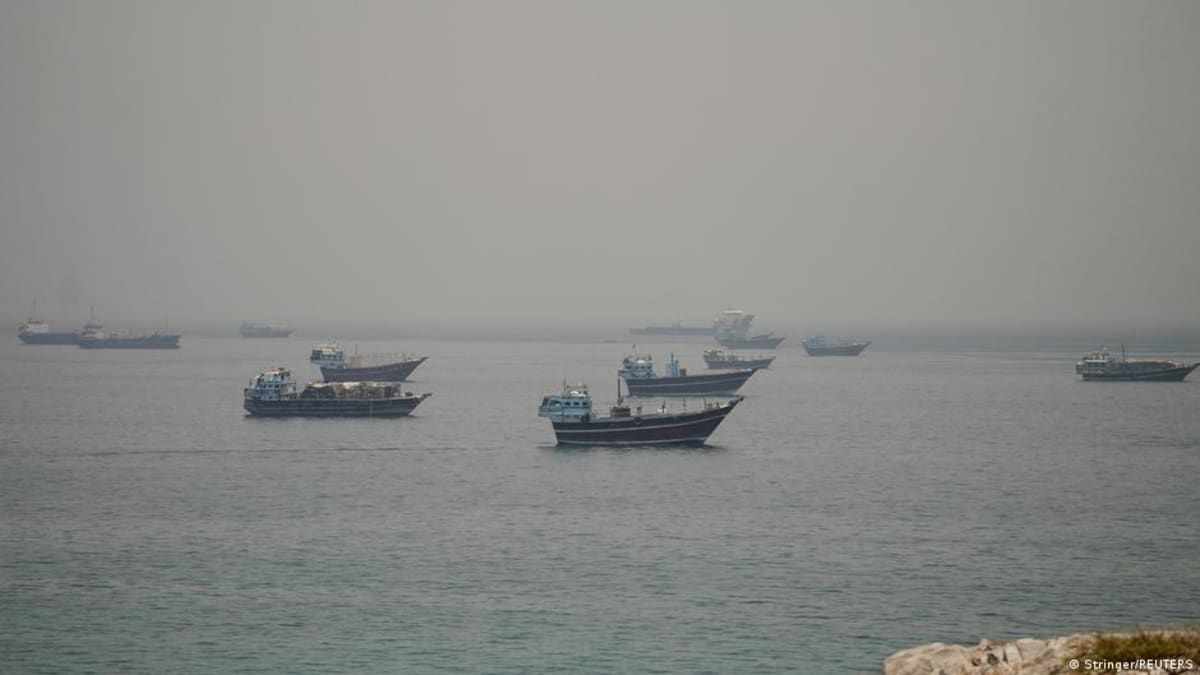
The United States and Iran have agreed to end military operations and reopen the crucial Strait of Hormuz shipping route. World leaders celebrated the breakthrough, which promises relief for the global economy and stability for the Middle East. #
After months of escalating tensions, the United States and Iran have reached a historic peace agreement that will halt military operations and reopen one of the world's most vital shipping corridors.
Pakistani Prime Minister Shehbaz Sharif announced the breakthrough Sunday night, confirming that both nations agreed to an immediate and permanent end to military operations on all fronts, including in Lebanon. The formal signing ceremony is scheduled for June 19 in Switzerland.
President Trump confirmed the deal shortly after, posting that the agreement was "complete" and authorizing the immediate reopening of the Strait of Hormuz. "Ships of the World, start your engines. Let the oil flow!" Trump declared on social media.
Iran's Deputy Foreign Minister Kazem Gharibabadi echoed the announcement, saying the agreement would end military operations in Iran and Lebanon while opening the critical shipping routes that have been blockaded during the conflict. The Strait of Hormuz handles about one-fifth of global oil traffic, making its closure a major threat to the world economy.
The breakthrough drew immediate praise from international leaders. British Prime Minister Keir Starmer called it "a hugely important step forward in ending the war," while German Chancellor Friedrich Merz praised the "diplomatic breakthrough" and emphasized the need to implement it "with determination."
The Ripple Effect
The reopening of the Strait of Hormuz means more than just resumed oil shipments. It signals a potential turning point for regional stability that has been threatened by escalating conflicts between the US, Iran, and various proxy forces across the Middle East.
Germany, the UK, France, and Italy issued a joint statement welcoming the deal and emphasizing their readiness to lift relevant sanctions in response to clear, verifiable steps by Iran on its nuclear program. The four nations see this as an opportunity not just for peace, but for economic recovery and long-term security in the region.
Qatar, which helped mediate the negotiations, expressed optimism about the path forward. Foreign Minister Mohammed bin Abdulrahman Al Thani said his country looks forward to all parties "engaging in the forthcoming negotiations in a positive and constructive spirit."
Chancellor Merz captured the hope many feel about what this could mean beyond the immediate ceasefire. "This can pave the way towards a reinvigorated global economy and a more secure Middle East," he said.
The hard work of implementing the deal and building lasting peace still lies ahead, but for now, diplomacy has won the day.
#
Based on reporting by DW News
This story was written by BrightWire based on verified news reports.
Spread the positivity!
Share this good news with someone who needs it