U.S. Labs Unite AI Power to Speed Scientific Breakthroughs
Argonne National Laboratory joins a new federal consortium using artificial intelligence to accelerate discoveries in medicine, materials, and quantum science. The program connects supercomputers, research data, and thousands of scientists without traditional grant red tape.
The race to solve humanity's toughest challenges just got a powerful new engine, and it's bringing America's brightest minds together in ways never seen before.
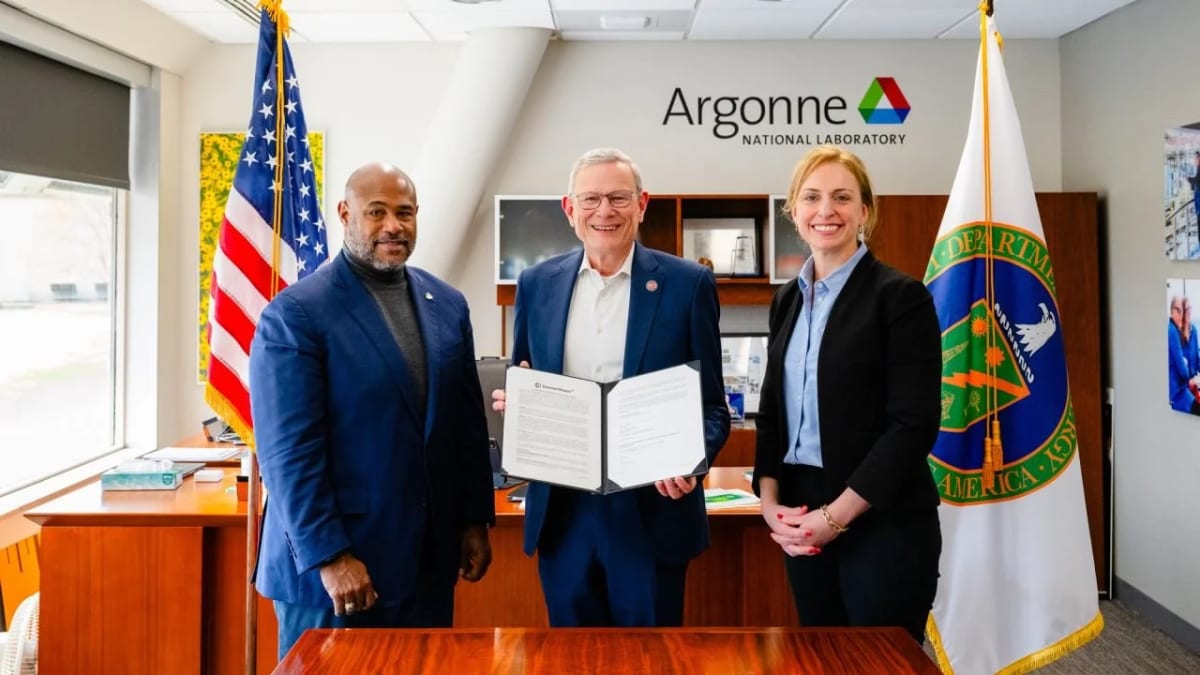
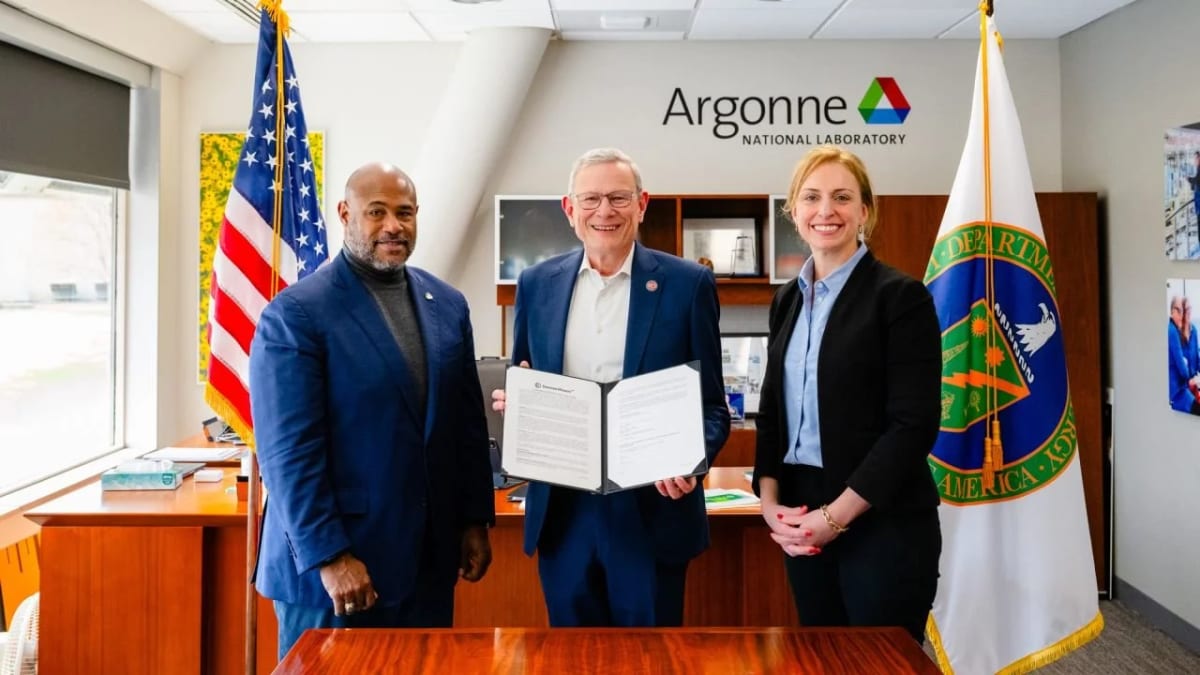
Argonne National Laboratory has joined the U.S. Department of Energy's Genesis Mission Consortium, a growing network designed to turbocharge scientific discovery using artificial intelligence. The partnership connects national labs, universities, and private companies through shared supercomputing power, experimental tools, and massive scientific databases.
Instead of waiting months for grant approvals, researchers can now tap into ready-made AI infrastructure and find collaborators through a new matching platform. Argonne brings 3,400 staff members and expertise in large-scale computing to a consortium already tackling breakthrough research in advanced materials, quantum information science, and medical treatments.
The Genesis Mission works differently than traditional research funding. Participants contribute computing power, data, expertise, or staff time rather than applying for grants. This approach gets scientists working together faster, with AI systems woven directly into their daily research workflows.
The consortium launched a Partnership Exchange platform where researchers create profiles, discover potential collaborators, and form teams around national science priorities. AI-powered matching helps connect the right expertise with the right challenges, breaking down silos between disciplines and institutions.
Universities, companies, and individual researchers can join without membership fees. The DOE designed the program to expand access over time, with more collaboration opportunities and resources becoming available as the network grows.
The Ripple Effect
This isn't just about faster research papers. When AI helps scientists discover new materials for batteries or treatments for diseases, those breakthroughs improve lives worldwide. The consortium model also prepares the next generation of researchers, giving students hands-on experience with AI tools they'll need throughout their careers.
For higher education institutions, participation means students learn by doing real science, not just studying theory. As AI becomes standard in research labs, this practical experience will separate graduates who can lead innovation from those still catching up.
The platform continues rolling out in stages, with partner discovery and AI-supported matching expanding throughout the year. More than 200 research projects already underway at Argonne alone could accelerate as new partnerships form through the consortium.
The message is clear: solving big problems requires big collaboration, and America is building the infrastructure to make it happen at unprecedented speed.
More Images

Based on reporting by Google: scientific discovery
This story was written by BrightWire based on verified news reports.
Spread the positivity!
Share this good news with someone who needs it