USC Trial Uses Stem Cells to Reverse Parkinson's Disease
Doctors at USC are implanting lab-grown stem cells into the brains of Parkinson's patients to restore dopamine production and potentially reverse symptoms. The therapy could offer hope to over one million Americans living with this progressive disease.
Twelve people with Parkinson's disease are testing a breakthrough therapy that could repair their damaged brain cells and restore normal movement.
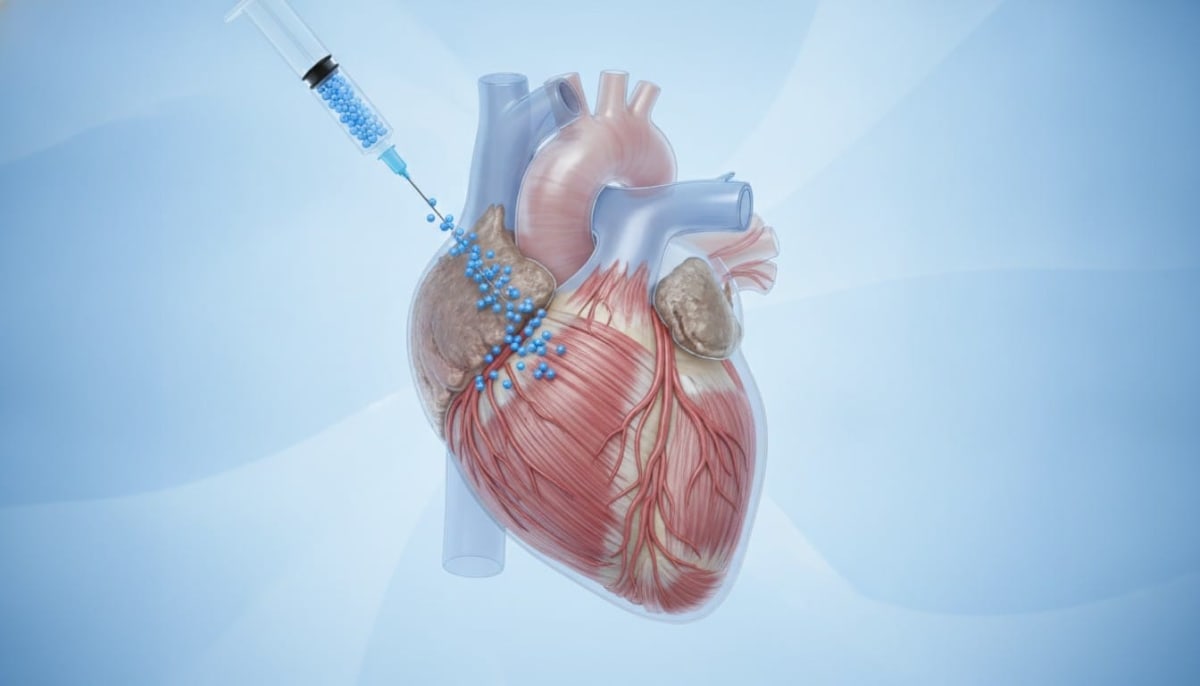
Keck Medicine of USC is conducting a groundbreaking clinical trial that implants specialized stem cells directly into patients' brains. The cells are programmed to replace damaged tissue and produce dopamine, the crucial brain chemical that Parkinson's destroys.
More than one million Americans live with Parkinson's disease, facing tremors, stiffness, and progressively worsening movement problems. Another 90,000 people receive the diagnosis each year. Current treatments only manage symptoms without slowing the disease's march forward.
The therapy uses induced pluripotent stem cells, a technology that won the Nobel Prize. Scientists take ordinary adult cells like skin or blood and reprogram them into a blank slate state. These versatile cells can then become any type of cell the body needs, including the dopamine-producing brain cells that Parkinson's destroys.
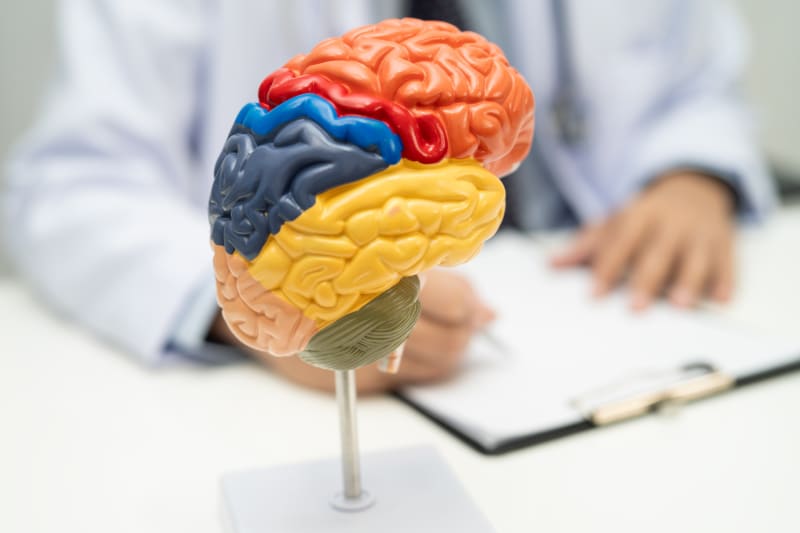
Dr. Brian Lee, the study's lead neurosurgeon, drills a tiny hole in each patient's skull and uses MRI guidance to precisely place the stem cells in the basal ganglia. This brain region controls movement and is ground zero for Parkinson's damage.
"If the brain can once again produce normal levels of dopamine, Parkinson's disease may be slowed down and motor function restored," Lee explained.
Dr. Xenos Mason, the study's co-lead neurologist, believes these stem cells offer the best chance of restarting the brain's dopamine factory. Unlike embryonic stem cells that raise ethical concerns, these cells come from adult tissue with no controversy attached.
The FDA granted the trial fast-track designation, accelerating both development and review. This status signals the agency's recognition that the therapy addresses a serious unmet medical need.
The Ripple Effect
The trial represents far more than hope for twelve participants. Success could transform treatment for millions of people worldwide living with Parkinson's and potentially open doors for other neurodegenerative diseases.
Scientists have long dreamed of repairing brain damage rather than just managing symptoms. This trial brings that dream closer to reality by actually replacing the cells the disease destroys.
The monitoring period extends five years, giving researchers time to understand both benefits and risks. Patients undergo careful observation for symptom changes and possible side effects.
Three medical centers across the United States are participating, combining their expertise to move the science forward faster.
One day, this experimental procedure could become standard care, offering newly diagnosed patients a chance to stop Parkinson's before it steals their movement and independence.
More Images

Based on reporting by Google News - New Treatment
This story was written by BrightWire based on verified news reports.
Spread the positivity!
Share this good news with someone who needs it