UW Opens $7.5M Battery Lab to Boost U.S. Clean Energy
The University of Washington just launched the West Coast's first public-access battery manufacturing lab, giving startups and researchers the tools to develop breakthrough energy storage without massive upfront costs. The 1,600-square-foot facility is already booked solid and helping companies create safer, cheaper alternatives to traditional batteries.
A new battery lab at the University of Washington is leveling the playing field for American clean energy innovation.
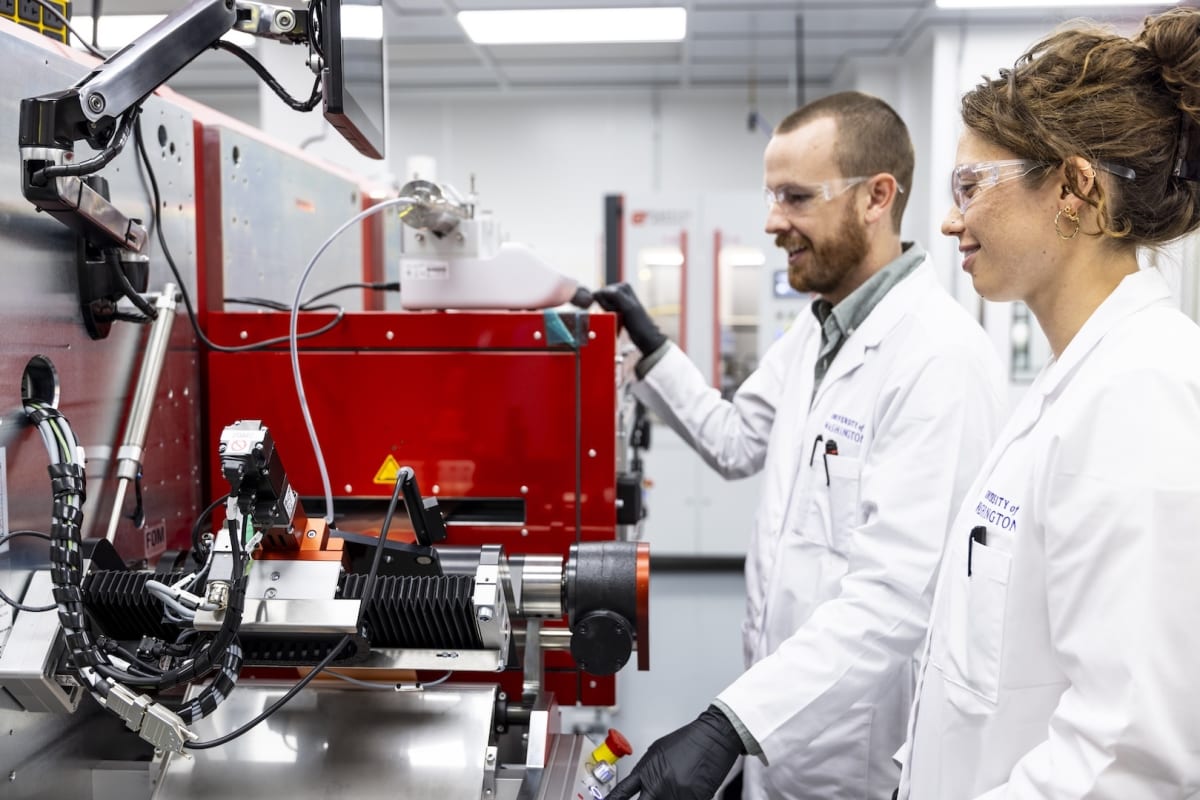
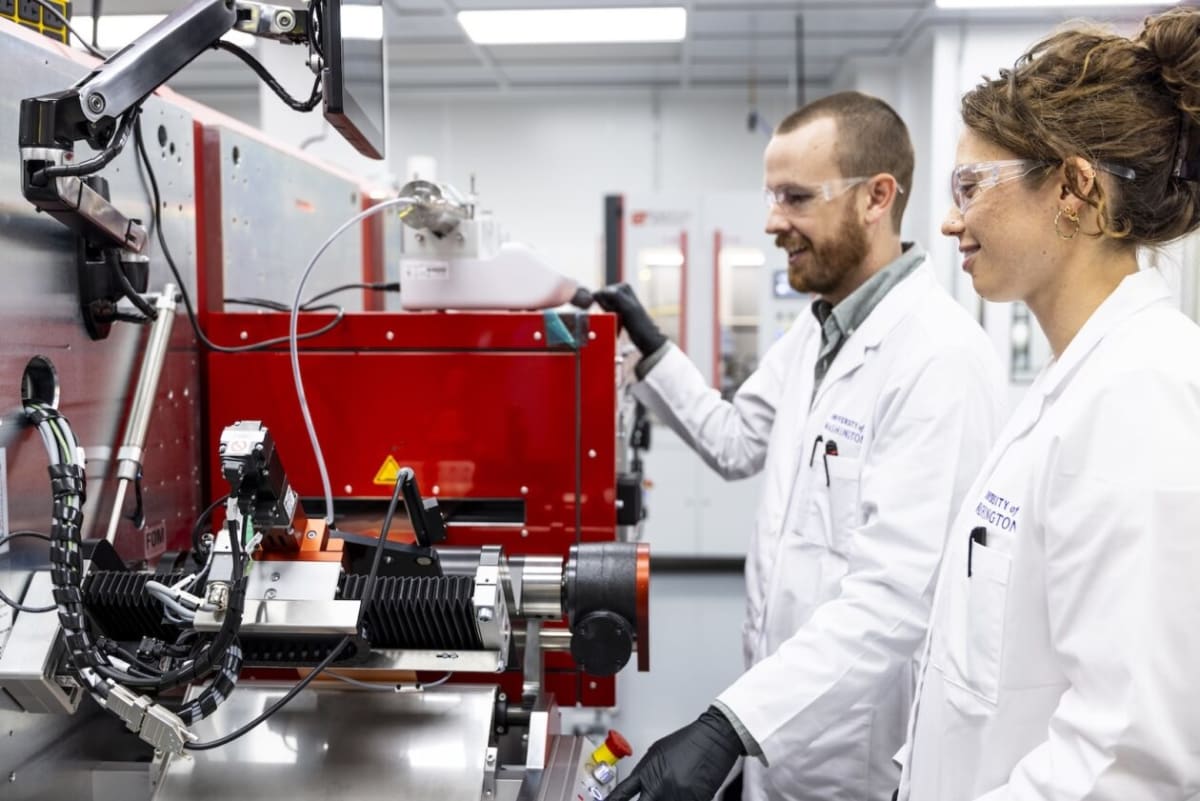
The $7.5 million facility, which opened in February 2026, gives entrepreneurs and researchers access to specialized equipment that would normally cost millions to acquire. It's the first public-access battery manufacturing lab of its kind on the West Coast, housed within UW's Clean Energy Testbeds just east of the Seattle campus.
The timing couldn't be better. Battery storage capacity in the U.S. has exploded by 70% annually over the past three years as solar farms and electric grids demand more reliable energy storage. Yet China and other Asian nations still dominate global battery production.
That's where this lab comes in. Instead of competing head-to-head with mass production overseas, the facility helps American companies develop next-generation battery chemistries that could open entirely new markets.
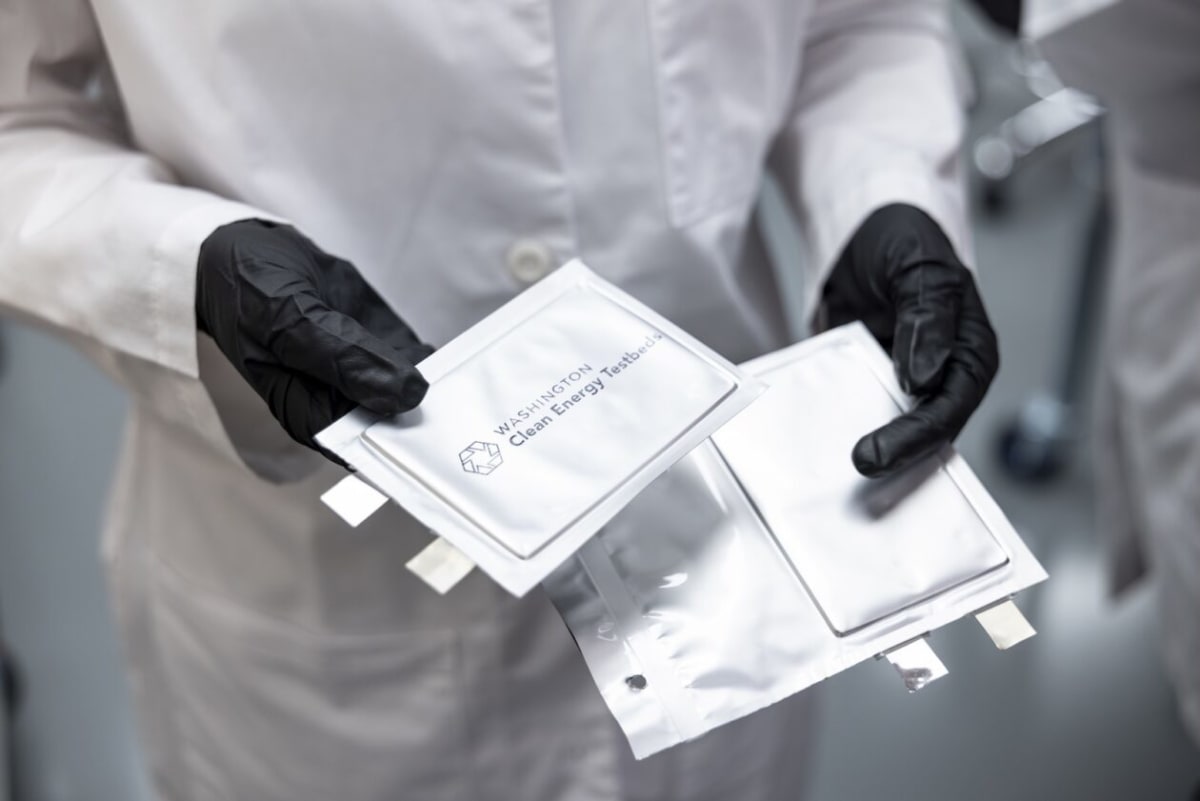
The 1,600-square-foot space focuses on building pouch cells, a flexible battery format that looks like a metallic Pop-Tart package. These allow teams to quickly test experimental designs and create larger prototypes for everything from defense applications to electric semi-trucks.
Seattle startup Emerald Battery Labs produced its first pouch cells in the new facility. The company is developing sodium-ion batteries using cheaper raw materials that last longer and pose fewer fire risks than traditional lithium-ion batteries.
"We wouldn't have started this company in Seattle if not for the Testbeds," said Kjell Schroder, co-founder and CTO of Emerald Battery Labs. The facility lets his team iterate rapidly and build demonstration cells without major capital expenses.
The lab is already booked for months ahead. A California startup called Project K Energy is using the space to develop potassium-ion batteries, while the Testbeds partners with community colleges to offer battery fabrication workshops.
The Ripple Effect
The Clean Energy Testbeds has already helped launch multiple battery startups, creating a growing ecosystem of innovation in the Pacific Northwest. By sharing expensive equipment and expertise, the facility accelerates the timeline from laboratory concept to market-ready product.
Dan Schwartz, founding director of the Clean Energy Institute that operates the Testbeds, sees potential for the region to specialize in high-value applications like aviation batteries, data center backup power, and electric vehicle technology. These specialized markets play to America's strengths in innovation rather than competing purely on manufacturing scale.
The $7.5 million project was funded by Washington's Climate Commitment Act, which also supports additional staff to help users navigate the complex equipment. UW experts are on hand to guide teams through the entire process, from mixing electrode materials in the dry room to testing battery performance.
The facility represents a practical pathway for the U.S. to reclaim a foothold in the battery revolution transforming transportation, energy storage, and grid operations.
"Batteries are just winning," Schwartz said, "and the question is, who's going to win in all the sectors that batteries are transforming?"
More Images

Based on reporting by Google News - Clean Energy
This story was written by BrightWire based on verified news reports.
Spread the positivity!
Share this good news with someone who needs it